This past week, in a sharply reflective lecture at UNISA, ANC KZN Provincial Convenor Jeff Radebe reminded us why the Freedom Charter remains not just a historical document, but a mirror to our democracy and a challenge to our leadership.




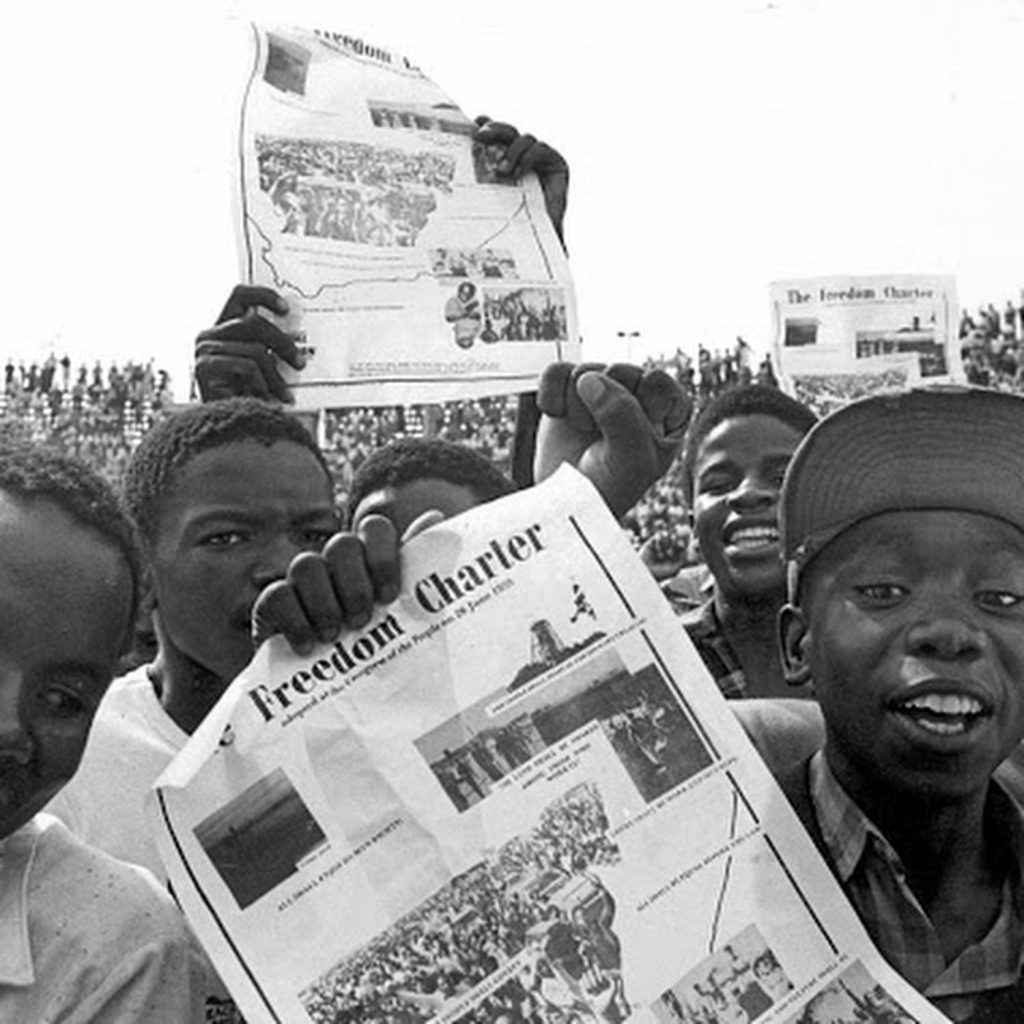
Seventy years ago, more than 3,000 South Africans gathered under police surveillance in Kliptown to write a new chapter in history. They were not government officials or diplomats, but everyday people, workers, students, women, peasants, and thinkers, who drafted a vision for a just South Africa: the Freedom Charter. It wasn’t authored by elites or think tanks. It came from the ground up, and for that reason alone, it still matters today.
This past week, in a sharply reflective lecture at UNISA, ANC KZN Provincial Convenor Jeff Radebe reminded us why the Freedom Charter remains not just a historical document, but a mirror to our democracy and a challenge to our leadership. His speech, delivered with both pride and discomfort, called for more than nostalgia. It demanded renewal.
The Freedom Charter marked a shift in South Africa’s liberation movement, from resistance to reconstruction. By formally endorsing it in 1956, the ANC reoriented its mission: no longer just to dismantle apartheid, but to build a just, inclusive society in its place. The Charter laid the foundation for the 1996 Constitution, arguably the most progressive on the continent.
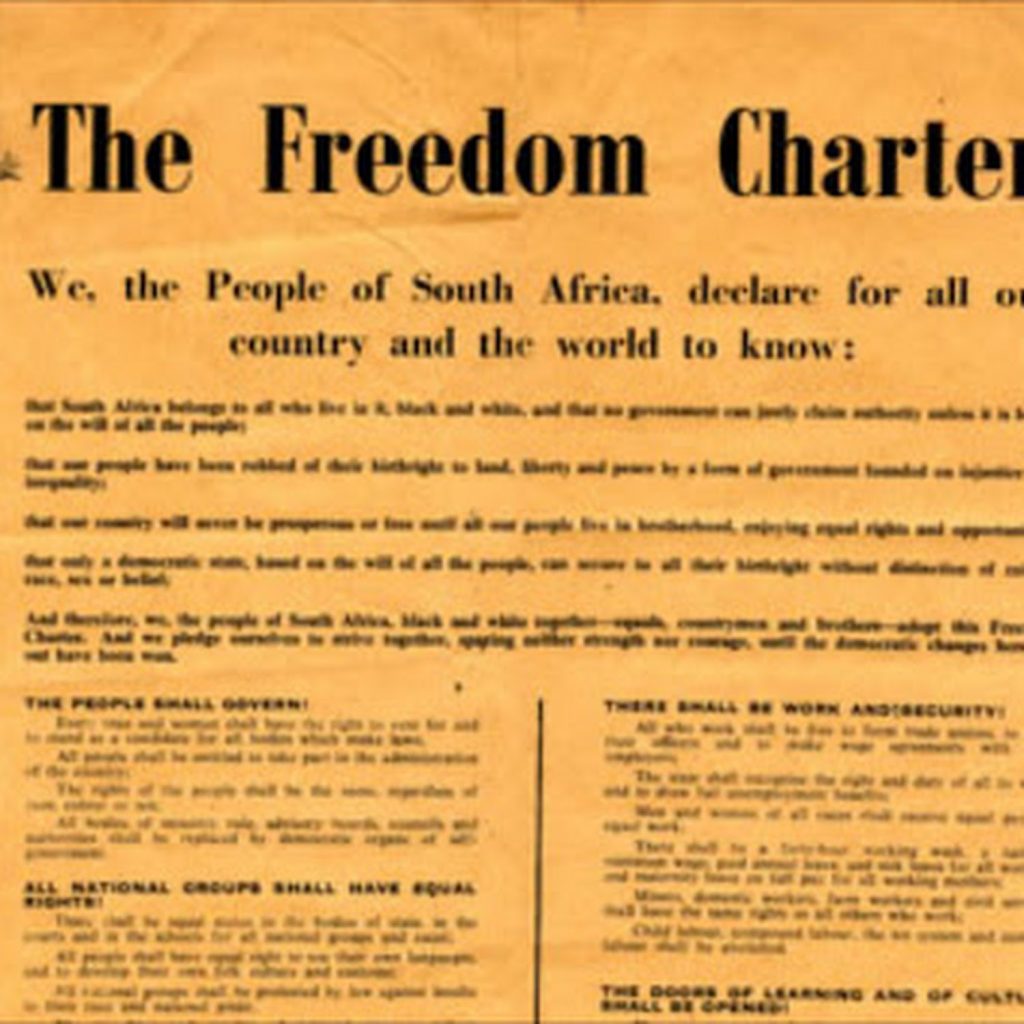
And yes, much has been achieved: near-universal access to basic education, over four million homes built, rural electrification, NSFAS support for more than a million students, and over 18 million people receiving social grants. Radebe is right to point out that these aren’t abstract numbers, they’re lived improvements. But the story doesn’t end there.
The Uneven Fruits of Freedom
South Africa today is a land of contrasts. We’ve electrified homes, but water taps run dry. We’ve opened the doors of learning, but graduates remain unemployed. We’ve built democratic institutions, yet the poor still wait for justice in queues that stretch generations.
READ MORE: Honouring 70 Years of the Freedom Charter: A Call for Renewal and Radical Change
The Auditor-General’s latest report shows over 90% of municipalities are in financial distress. Public trust is eroding, not because democracy has failed, but because delivery has. If local government is the frontline of our democracy, then dysfunction there is more than administrative failure; it’s a breach of the constitutional promise itself.
A Charter Betrayed or a Dream Deferred?
Radebe doesn’t mince words. He names the enemies of the Charter not just as corrupt officials or inactive departments, but as new political formations threatening to pull South Africa back into racial chauvinism and narrow nationalism.
He’s not wrong to worry. In times of crisis, people seek alternatives, and when democracy falters, demagogues thrive. But the solution isn’t nostalgia for the ANC’s liberation legacy, it’s proof that it can still deliver on it.
If the ANC wants to remain the executor of the Charter’s vision, it must stop treating its founding values as a brand and start treating them as a blueprint. That means facing up to inequality, corruption, and elite capture with the same moral urgency as apartheid once commanded.

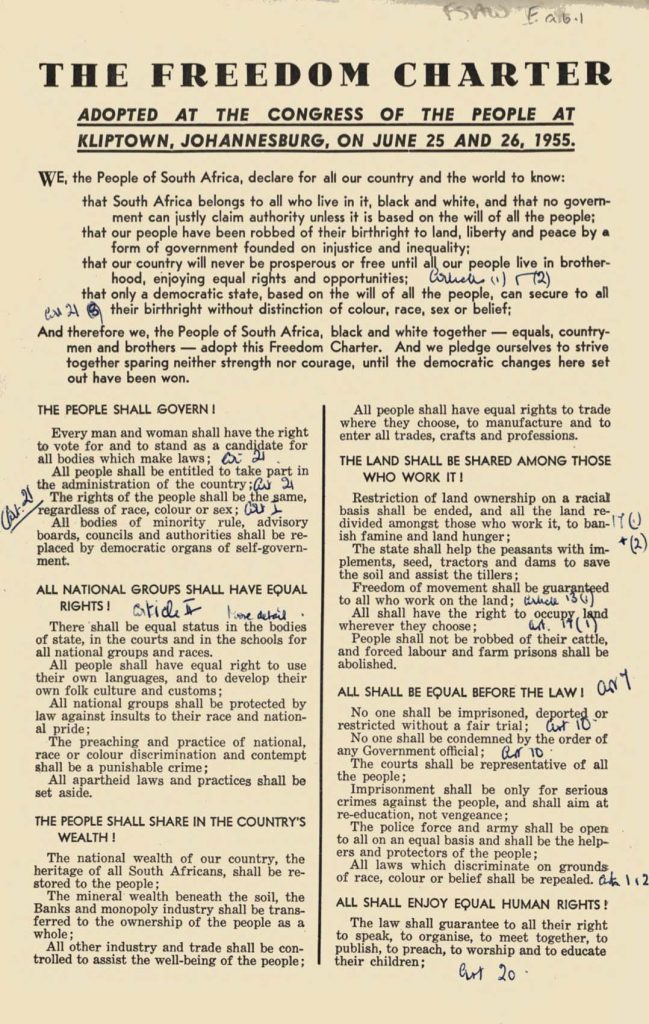
The Charter declared that “The People Shall Share in the Country’s Wealth.” Today, less than 3% of JSE-listed companies are black-controlled. Multinational corporations siphon off billions in illicit financial flows, up to R100 billion a year, robbing the country of schools, clinics, and jobs. That’s not just theft; it’s economic sabotage.
Radebe calls for criminalising corporate tax avoidance and repatriating stolen assets. He’s right. But words alone won’t cut it. We need institutional muscle: a strengthened Financial Intelligence Centre, a Land Justice Commission, a reformed State Land Bank, and tighter control of speculative landholding. Economic justice will remain a fantasy if it stays trapped in slogans and PowerPoint decks.
Workers Are Still Waiting
The Freedom Charter promised “work and security.” Today, many workers have neither. Labour brokering, casualisation, and stagnant wages are a betrayal of that promise.
South African Airways pilots, some of the country’s most skilled professionals, are begging foreign owners for fair pay while profits vanish offshore. If that’s how our best are treated, what hope is there for the rest?
Trade unions must revive their historic role, not as political kingmakers, but as defenders of worker dignity. The alliance between the ANC and the working class cannot be revived through slogans. It needs shared purpose, honest introspection, and radical labour reform.
READ MORE: Is Lack of Discipline the ANC’s Downfall?
The Charter’s demand, “The Land Shall Be Shared Among Those Who Work It”, remains the ANC’s Achilles heel. Thousands of land claims remain unresolved. The legal tools exist; what’s lacking is political courage and institutional clarity.
Radebe’s proposed reforms are practical: tax idle land, establish a Land Valuation Tribunal and expand tenure security without undermining traditional systems. These are not revolutionary ideas. They are overdue.
The Global Struggle Continues
The ANC’s internationalist tradition, from solidarity with Palestine to its position on Western Sahara, is under threat, not by foreign enemies, but by South Africans themselves. When former leaders endorse policies that contradict our constitutional commitments and AU positions, they do more than offer a personal opinion, they fracture the integrity of our foreign policy.
Silence, as Radebe says, is not neutrality. It’s complicity. The upcoming National Dialogue, set for August 15, is being framed as a modern-day Kliptown. That’s ambitious but also necessary. For it to matter, it must do what Kliptown did: centre the voices of ordinary people, not elites.
It must include the unemployed graduate, the rural entrepreneur, the student drowning in debt and the civil servant trying to do right in a broken system.
If it becomes another stage-managed talk shop, it will fail.
But if it reignites the participatory energy that birthed the Freedom Charter, then maybe, just maybe, we can reclaim the future.
The Charter Lives—But Only If We Let It
Jeff Radebe’s lecture wasn’t just a reminder of how far we’ve come. It was a warning. The Freedom Charter can either remain a guiding light or become a museum piece. The choice, 70 years on, is ours.
The people shall govern, but only if we choose to make that true again.


