By Abbey Makoe
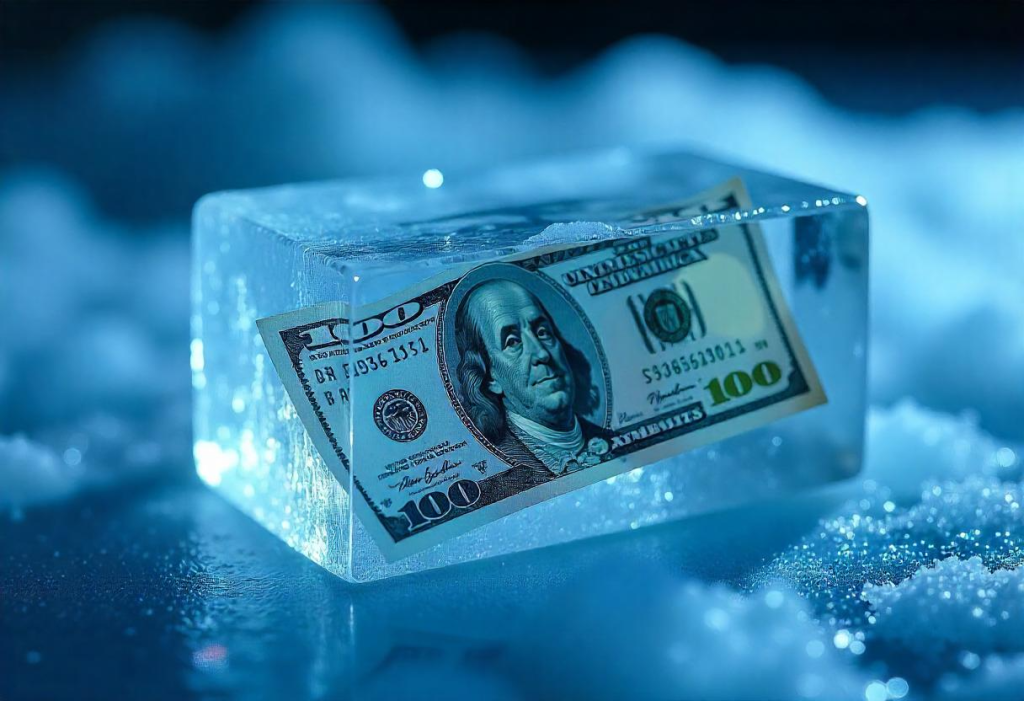
JOHANNESBURG – Europe remains deeply split over how far the bloc should go in its hard-line posture toward Moscow. At the centre of the dispute is the fate of Russia’s frozen sovereign assets, seized after the launch of its “Special Military Operation” in Ukraine, a campaign the West has labelled an invasion.
While US President Donald Trump has poured energy into positioning himself as the leader who could broker peace between Moscow and Kyiv, Europe’s largest powers, Britain, France and Germany, have taken a more confrontational stance. The three countries have effectively revived the idea of a “Coalition of the Willing,” a phrase made infamous in 2003 when then-US President George W. Bush and UK Prime Minister Tony Blair invaded Iraq under contested legal grounds.
Trump’s push for a truce is driven in part by geopolitical ambition and, as many observers note, a long-standing desire to secure a Nobel Peace Prize. But his efforts collide with the determination of some European leaders, who prefer to keep Russia under pressure through sanctions and political isolation.
Russia, for its part, maintains that NATO’s eastward expansion posed an existential threat, prompting President Vladimir Putin to act. Despite a sweeping sanctions regime and a ban on its major broadcasters such as RT and Sputnik, Russia’s economy has remained more resilient than many in the West expected. Meanwhile, Europe’s strict information controls have limited the dissemination of Russia’s narrative of the conflict.
A Divided Europe
The EU now faces two major dilemmas. First, key European governments want Washington to provide long-term security guarantees for a post-war Ukraine, arguing this would help deter future aggression from Russia.
Second, and far more contentious, is what to do with Russia’s frozen sovereign funds. Belgium, which holds the bulk of the assets, is pushing back strongly against calls to divert the money to Ukraine’s reconstruction. Brussels argues that such a move would violate international law and expose EU states to legal claims once the war is over.
ALSO READ: India’s Hosting Of Putin Marks Alignment With The Global South Instead Of The West
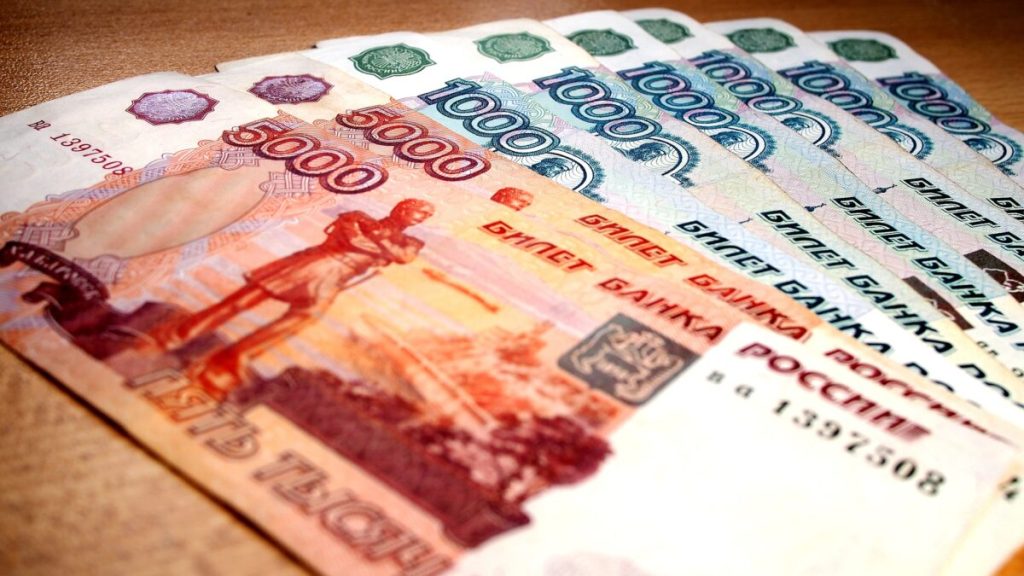
Russia has already indicated that it will take any such decisions to international courts. Belgium, which holds an estimated €185 billion of the roughly €210 billion in frozen Russian assets, is unwilling to face those consequences alone. It wants every EU member state to present a formal, binding commitment that they will help repay Russia should the bloc be forced to return the funds.
This legal standoff is further complicated by Hungary’s Prime Minister Viktor Orbán, whose close relationship with Putin is well known. EU decisions on these matters require unanimity. A single veto, likely from Budapest, could derail the entire process.
Strains in Transatlantic Relations
Tensions with Washington are adding another layer of uncertainty. Under Trump’s new foreign-policy posture, Europe is no longer treated as the unquestioned partner it once was. The US president recently accused European countries of covertly buying Russian oil despite sanctions, suggesting cracks in the bloc’s unity.
As Europe grapples with internal divisions and shifting global alliances, many member states are prioritising national interests over collective ones. Trump’s 28-point peace plan for Ukraine, which assumes Russia will retain the territories it controls, particularly Donbass, has reshaped the diplomatic landscape.
ALSO READ: Vladimir Putin’s Inability To Attend G20 Could Spell Danger For SA Inside BRICS
The region recently voted in favour of seceding from Ukraine, a development Kyiv rejects and which Trump argues leaves President Volodymyr Zelensky with “no cards to play.”
The US president added further pressure this week, accusing Zelensky of using the war to avoid holding elections and questioning Ukraine’s democratic credentials.
Europe on the Sidelines
Europe’s diminishing influence in the peace process is, in many ways, self-inflicted. The bloc has consistently aligned its messaging with the Biden administration’s earlier hawkish stance and has shown little appetite for negotiations.
Trump’s latest suggestion, that frozen Russian assets be transferred to the US to support future US-Russia cooperation, has further sidelined Brussels. If that proposal gains traction, Europe could find itself completely outmanoeuvred.
In the coming years, adjusting to this new geopolitical reality may prove difficult for the EU. And for all the rhetoric about holding Russia accountable, it is hard to imagine Trump allowing the bloc to dispose of Russian assets in a way that undermines his peace ambitions.
Abbey Makoe is the founder and editor-in-chief of the Global South Media Network (GSMN). The views expressed are his own.