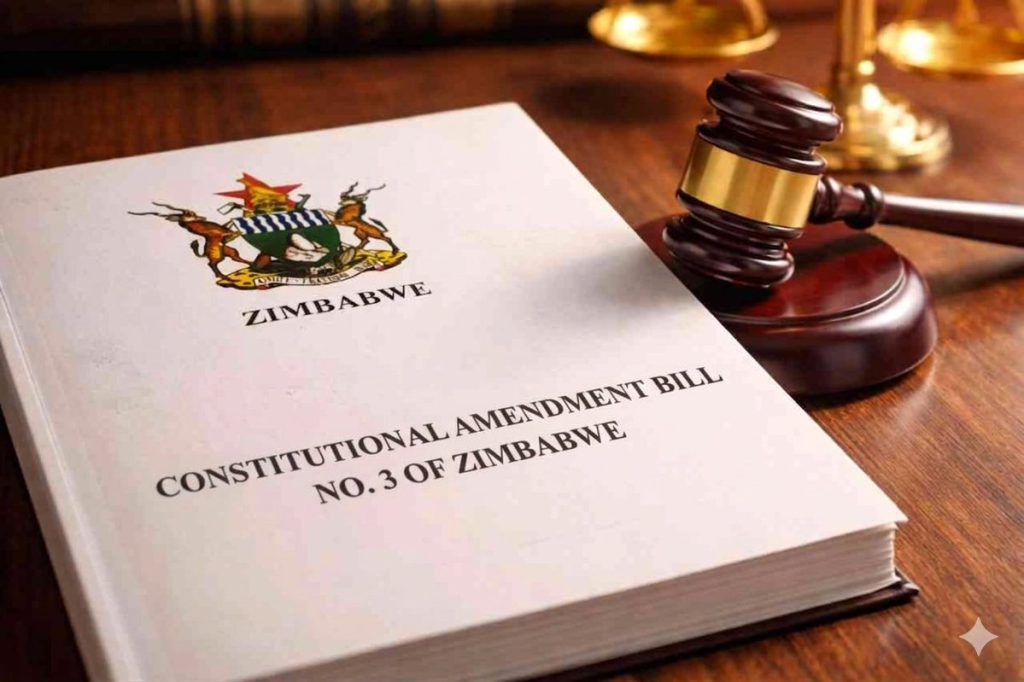
HARARE – Zimbabweans will, from 30 March to 2 April, have an opportunity to make their voices heard on the Constitution Amendment Bill No. 3, which proposes changes to allow election cycles to repeat every seven years.
This is part of the country’s ongoing effort to engage citizens in shaping key national laws. Starting next week, Parliament will roll out nationwide public consultations on the Bill before it moves further in the legislative process. These consultations aim to ensure that citizens across Zimbabwe have a chance to share their views and ask questions about the proposed amendments.
In recent weeks, debate around the proposed changes has intensified, particularly on social media platforms. Citizens, legal experts, and political actors have all joined the conversation, discussing key provisions of the Bill and what they could mean for the country. The arguments are largely about the structure of election cycles, the need for clear governance, and whether certain amendments require a referendum.
Some legal minds have also pointed out that certain changes are indeed possible under Parliament’s authority without the need for a nationwide referendum. While opinions remain divided, the strong level of engagement reflects growing public interest in constitutional matters and the desire to see the country’s laws strengthened.
ALSO READ: Why Defence Forces Must Act Within Constitution, Not Act As Its Guardians Or Interpreters
Regarding the constitutional requirements for these changes, a significant part of the discussion centres on Section 328 of the Constitution. Supporters maintain that the current arguments for a referendum may be a misreading of the constitutional mandate. Under Section 328, while certain “entrenched” provisions, such as the Declaration of Rights or the specific extension of a term limit for an incumbent, may require a national vote, many other structural adjustments fall squarely within the authority of Parliament.
Pro-Bill legal minds point out that as long as the Bill follows the correct legislative procedure and receives a two-thirds majority in both houses, it is a valid exercise of Parliamentary sovereignty that does not necessitate the cost and delay of a nationwide referendum.
The buildup to these hearings has been notably different from the past. The current environment is a welcome shift from the 2013 constitutional outreach programme, which was occasionally marred by pockets of violence. This time, despite a few incidents – including the arrest of Tendai Biti and Morgan Ncube for allegedly holding an unsanctioned public engagement meeting, and the barring of unauthorised gatherings where police say authorisation is required, the focus has remained firmly on the exchange of ideas rather than physical confrontation.
ALSO READ: Zimbabwe’s Constitutional Amendment Bill No. 3 Sparks Social Media Debate Over ‘One Man, One Vote’
On the issue of term extensions, pro-Bill voices note that continuity in leadership can help sustain long-term development plans, especially those tied to national goals such as Vision 2030, ensuring ongoing projects and reforms stay on track. Some opposition figures, however, claim that the Bill needs to be passed via a referendum, a point that has sparked discussion, but which supporters maintain is a misreading of the constitutional mandate, as explained in Section 328.
Observers note that these consultations will be especially important if no referendum is conducted, as they may become the main platform for citizens to influence the outcome. People are encouraged to attend, ask questions, and make their opinions count.
Zimbabwe has followed a similar consultative approach in previous legislative processes, including the Private Voluntary Organisations (PVO) Bill of 2024 and the Marriage Bill of 2022, where public input helped shape final outcomes and informed lawmakers about citizens’ priorities.
Kgwadi is a political scientist and freelance writer. He holds a Master of Arts in African Studies from Ben Gurion University of the Negev (BGU).