JOHANNESBURG – After months of strong gains, some of Africa’s best-performing currencies are beginning to lose momentum as a resurgent US dollar and growing global economic uncertainty place renewed pressure on foreign exchange markets.
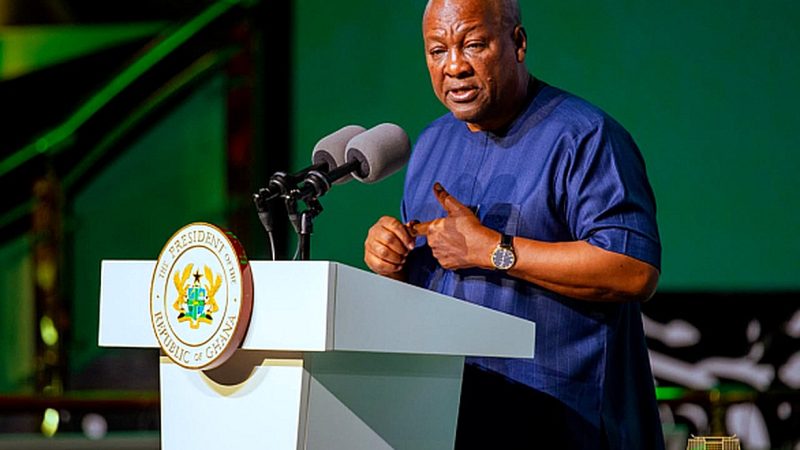
Ghana’s cedi, one of the continent’s standout performers this year, is now showing signs of weakening after an impressive rally driven by higher gold exports, stronger dollar inflows and progress under the country’s International Monetary Fund (IMF)-supported economic reform programme.
Analysts say the recent pullback reflects a combination of investor profit-taking, seasonal demand for US dollars and uncertainty surrounding global commodity markets.
Ghana is not alone.
ALSO READ: Trump seeks trade-war truce with China’s Xi in South Korea talks
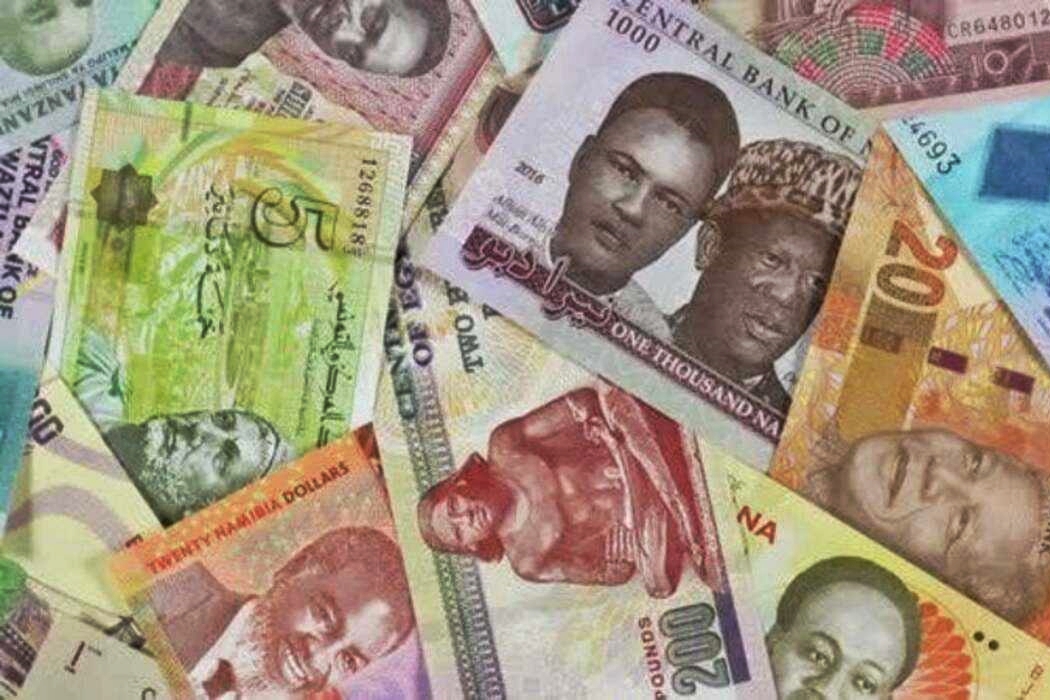
Several African currencies, including Nigeria’s naira and Uganda’s shilling, are also facing renewed pressure as stronger demand for the US dollar, widening trade imbalances and tighter global financial conditions weigh on regional markets. While none has experienced the dramatic collapses seen in recent years, economists warn that depreciation risks remain elevated.
In Nigeria, the naira continues to struggle despite sweeping foreign exchange reforms introduced over the past two years. Increased dollar liquidity and tighter monetary policy have helped reduce market volatility, but demand for foreign currency still outstrips supply. Softer oil export earnings and rising import demand have further slowed the currency’s recovery.
Uganda’s shilling has also weakened as businesses step up purchases of foreign currency to pay for imports such as fuel, machinery and manufactured goods. Seasonal corporate demand, combined with lower foreign exchange inflows, has added to the pressure, although the country’s central bank continues to closely monitor market conditions.
Why African currencies are under pressure
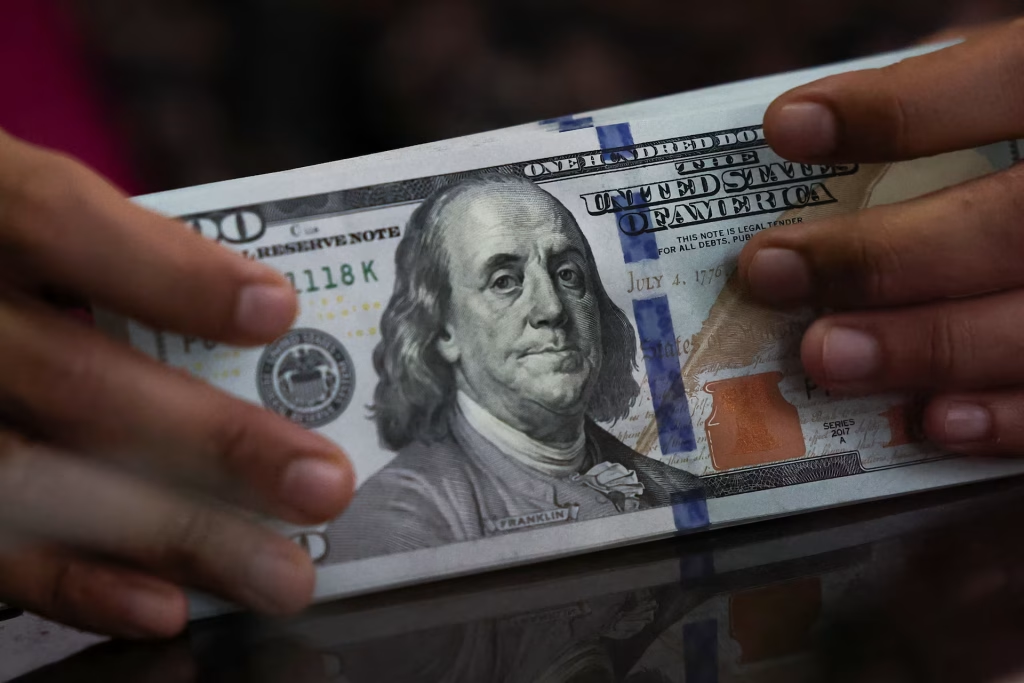
Much of the pressure stems from the strengthening US dollar, supported by expectations that the US Federal Reserve will keep interest rates higher for longer.
Higher US interest rates tend to attract investors to dollar-denominated assets, reducing capital flows into emerging and frontier markets. That shift places additional strain on African currencies, particularly in economies that depend heavily on commodity exports, foreign investment and external financing.
A weaker currency has significant consequences for African economies.
ALSO READ: Hundreds of Lesotho diamond mining jobs to be axed following US tariff threats
Currency depreciation makes imported goods more expensive, pushes up inflation and increases the cost of servicing foreign debt. Countries that rely heavily on imported fuel, food, medicines and industrial inputs are particularly vulnerable to sustained exchange rate weakness.
Despite the renewed pressure, analysts say many African economies are in a stronger position than during previous periods of severe currency volatility.
Several central banks have maintained relatively tight monetary policies, while improved export earnings from commodities such as gold and crude oil have helped rebuild foreign exchange reserves in a number of countries. Ongoing economic reforms and a more stable global financial environment could also help limit further losses.
For investors, businesses and policymakers, the focus will remain on US interest rate decisions, commodity prices and global capital flows.
How those external forces evolve over the coming months will determine whether Africa’s leading currencies, including the cedi, naira and shilling, can stabilise and resume their recovery.