PARIS, France — South Africa has called on governments to do more to turn scientific research into practical policies that address some of the world’s biggest challenges, including unemployment, inequality, climate change and food insecurity.
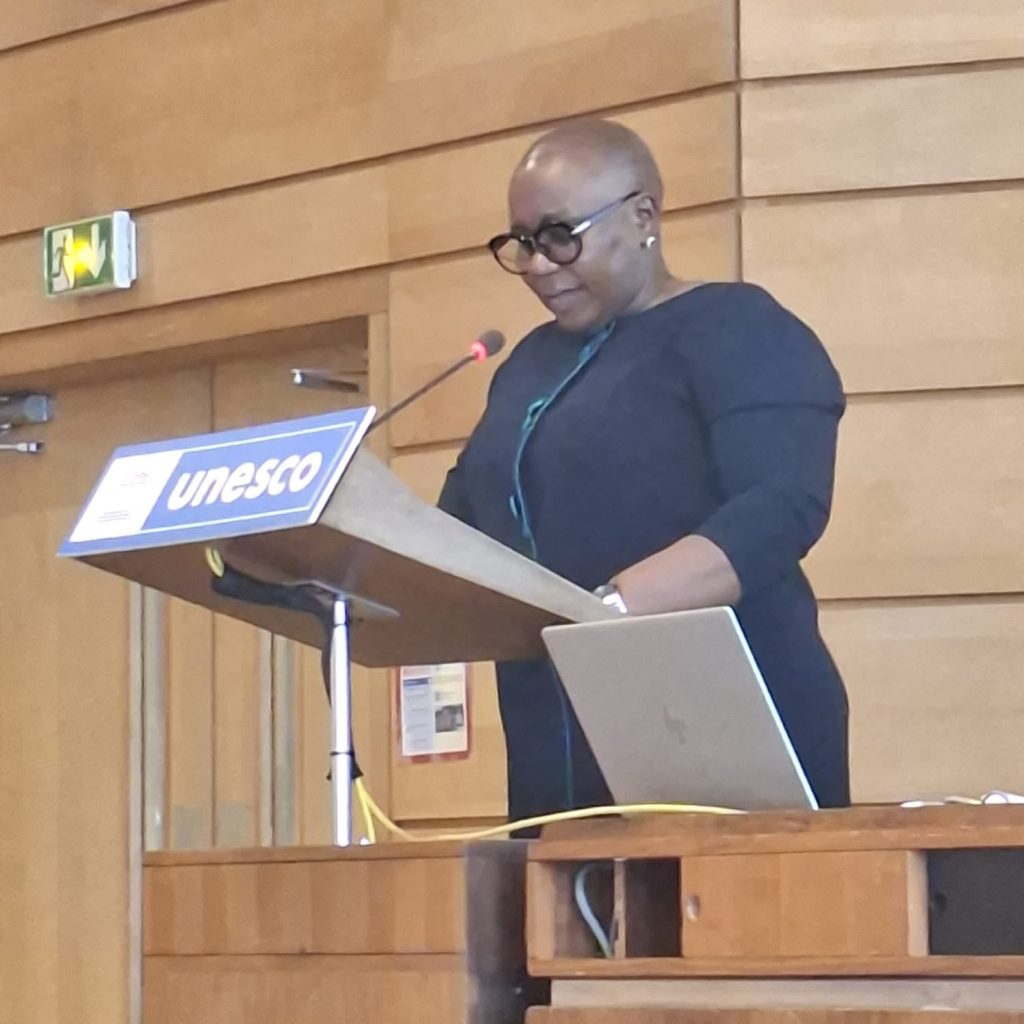
The call was made by Deputy Minister of Science, Technology and Innovation Dr Nomalungelo Gina during UNESCO’s 2026 Global Conference of the International Decade of Sciences for Sustainable Development, held in Paris on Thursday.
Addressing delegates, Gina said the Decade presents a unique opportunity to close the gap between scientific evidence and implementation, particularly in developing countries that continue to face shortages in research funding, infrastructure and technical capacity.
“The Decade presents an opportunity to strengthen the bridge between evidence and implementation, especially for developing countries that require support for research infrastructure, skills development, data systems, technology transfer, innovation financing and institutional coordination,” Gina said.
Gina participated in a high-level panel discussion titled “Translating Evidence into Priorities”, alongside sustainable development and science diplomacy expert Dr Ghaith Fariz and Academy of Sciences of Uzbekistan Vice-President Professor Shakhlo Turdikulova. The discussion was moderated by TWAS Executive Director Professor Marcelo Knobel and explored how UNESCO’s newly launched Global Report could be translated into concrete regional action.
ALSO READ: What China’s New AI Alliance Means for South Africa and the Future of Artificial Intelligence
Held under the theme “Science in Action: Charting a Sustainable and Equitable Future for All,” the conference reviewed progress made since the International Decade of Sciences for Sustainable Development was launched in 2024. More than 1,000 ministers, scientists, researchers and policymakers gathered at UNESCO headquarters from 15 to 17 July to assess how science is advancing the Sustainable Development Goals (SDGs) and shaping the global development agenda beyond 2030.
During the conference, UNESCO released its first International Decade of Sciences for Sustainable Development (IDSSD) Global Report, covering the initiative’s first two years.
The report found that 397 endorsed scientific initiatives across 79 countries have been launched in support of the SDGs, backed by approximately US$50 million in confirmed funding. Together, the projects contribute to all 17 Sustainable Development Goals.
However, the report also highlighted significant regional disparities.
Although Africa is home to 17.5% of the world’s population, it accounts for less than 10% of the Decade’s endorsed scientific initiatives. UNESCO warned that unless this imbalance is addressed, many developing countries risk being left behind as global scientific collaboration accelerates.
The report also identified shortcomings in the implementation of open science policies. While 79% of governments have adopted an open science policy framework, only 41% have developed implementation plans, and just 33% have systems in place to monitor whether publicly funded research is becoming more accessible.
UNESCO further noted that 60% of open science policies adopted during the past five years reference its 2021 Recommendation on Open Science, but implementation continues to lag behind policy commitments.
For South Africa, the findings reinforce the Department of Science, Technology and Innovation’s long-standing position that increased funding alone will not produce meaningful development outcomes without stronger collaboration between researchers, government institutions and policymakers.
Ahead of the conference, Gina said South Africa’s participation reaffirmed the country’s commitment to using science, technology and innovation to promote inclusive economic growth, improve quality of life and deepen international scientific cooperation through UNESCO and other global partners.
ALSO READ: AI in Africa: 5 issues that must be tackled for digital equality
As part of the panel discussion, South Africa showcased its internationally recognised genomic surveillance programme developed during the COVID-19 pandemic. The initiative, led by a consortium of South African universities and the National Institute for Communicable Diseases, was credited with the early detection and characterisation of SARS-CoV-2 variants, including Beta and Omicron, demonstrating how sustained investment in science and close cooperation between researchers and policymakers can strengthen decision-making during public health emergencies.
Gina said South Africa remains committed to working with UNESCO and international partners to strengthen science diplomacy and ensure scientific knowledge is translated into practical solutions that improve people’s lives.
The conference also featured the launch of “Next Generations,” a photographic exhibition produced in partnership with the AXA Foundation for Human Progress, celebrating early-career researchers from around the world. Delegates also attended a dedicated session on Africa, examining how science, technology and innovation can move “from strategies to impact” under UNESCO’s Operational Strategy for Priority Africa 2022-2029.
The three-day conference concluded on Friday, with participating countries expected to carry forward new commitments on research funding, stronger institutional coordination and the implementation of open science policies as the International Decade of Sciences for Sustainable Development continues through to 2033.