The scale of the epidemic has continued to accelerate. On August 31, government figures showed 6,041 confirmed cases and 2,911 deaths, making it the largest Ebola outbreak in the DRC’s history.




The scale of the epidemic has continued to accelerate. On August 31, government figures showed 6,041 confirmed cases and 2,911 deaths, making it the largest Ebola outbreak in the DRC’s history.
NEW YORK — An Ebola outbreak declared in the Democratic Republic of the Congo in May has grown into the country’s largest recorded Ebola epidemic, with more than 6,000 confirmed cases and nearly 3,000 deaths. Now, escalating violence and mass displacement in the country’s east are threatening to further undermine efforts to contain the virus.
The outbreak was officially declared on 15 May 2026 after health authorities detected cases in Ituri province. The first currently known suspected case, a health worker, developed symptoms on April 24 and later died in a medical facility in Bunia.
Health officials believe the virus may have been circulating before it was detected, with experts pointing to possible transmission as early as February. The outbreak is caused by the Bundibugyo virus, a strain of Ebola for which there is currently no licensed vaccine or specific treatment.
What began in Ituri quickly spread beyond the initial outbreak area. By late May, confirmed cases had been reported across health zones in Ituri, North Kivu and South Kivu. By August, the outbreak had reached six provinces and 60 health zones, including Bas-Uélé, Haut-Uélé, Ituri, North Kivu, South Kivu and Tshopo.
The scale of the epidemic has continued to accelerate. On August 31, government figures showed 6,041 confirmed cases and 2,911 deaths, making it the largest Ebola outbreak in the DRC’s history.
Against that backdrop, a worsening security crisis in eastern DRC is threatening to make containment even more difficult.
ALSO READ: Africa Charts New Course in Global Health Governance at Landmark Accra Summit
Fighting across Ituri, South Kivu and North Kivu is forcing thousands of people from their homes and restricting humanitarian access, making it increasingly difficult for health workers to reach communities, trace contacts and detect new infections.
The United Nations has warned that the response is becoming a race against time.
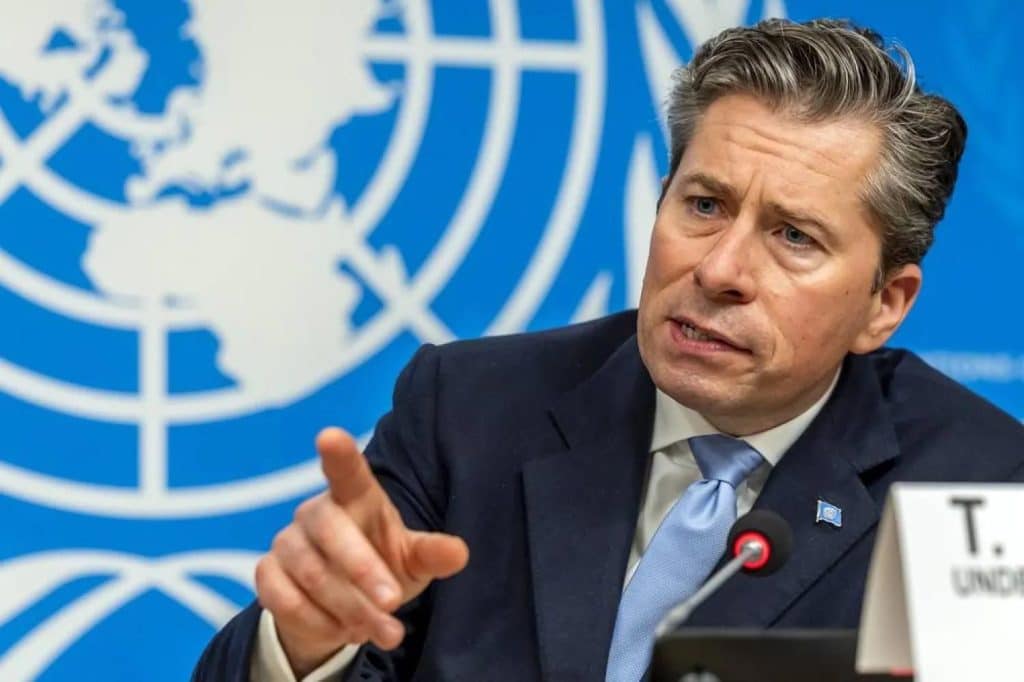
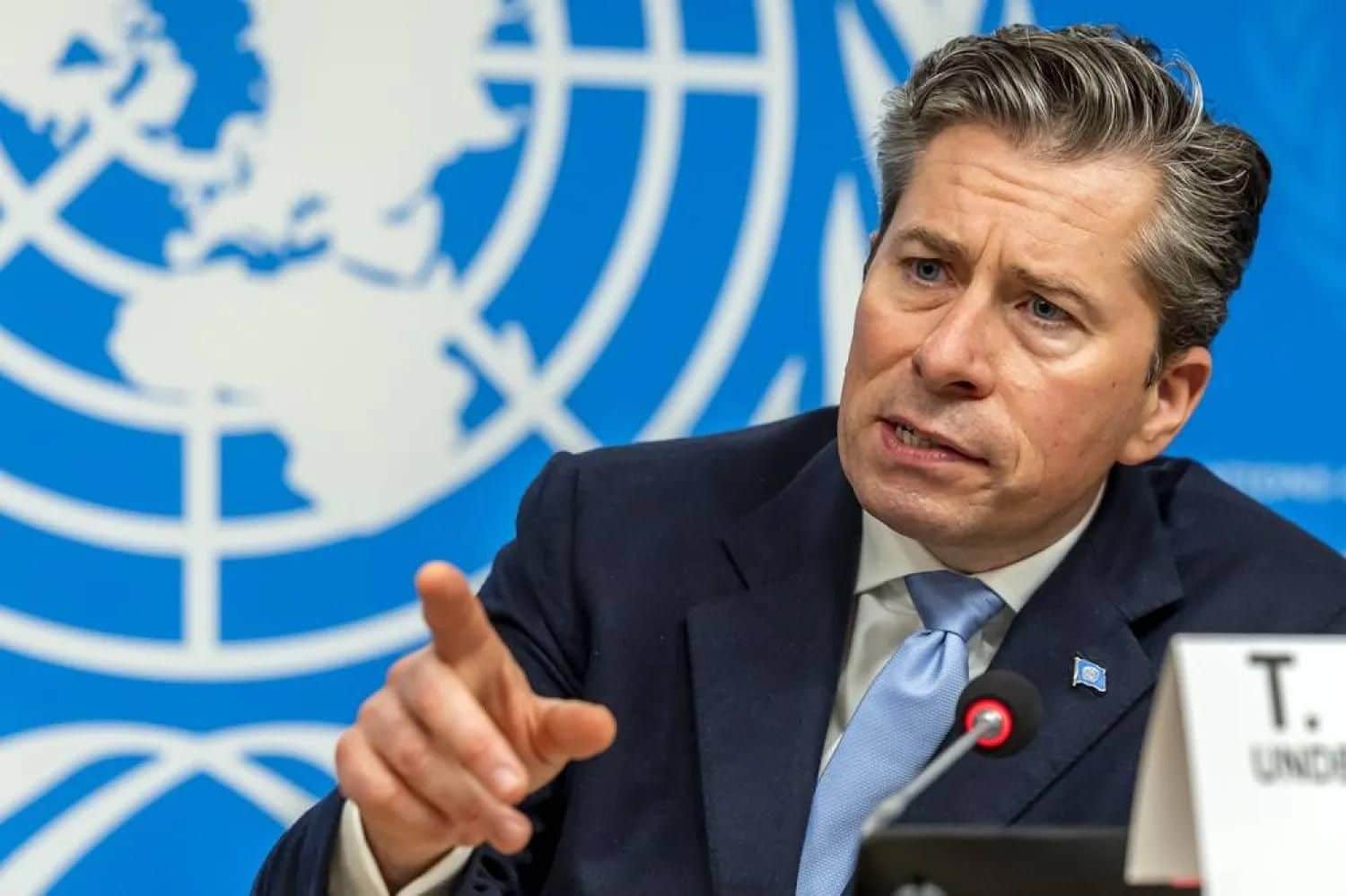
UN Under-Secretary-General for Humanitarian Affairs and Emergency Relief Coordinator Tom Fletcher called on Member States on Wednesday to support a sustained, large-scale operation capable of getting ahead of the outbreak.
“We cannot respond incrementally to an epidemic which is now growing exponentially,” Fletcher said.
The security crisis is unfolding at the heart of the Ebola response.
In Ituri province, local civil society sources reported that at least 37 civilians were killed and more than 35 abducted during armed attacks in Mambasa territory on August 29.
The attacks triggered further displacement from several villages. At least 86 civilians were reportedly killed in attacks across Mambasa during August.
The situation is similarly precarious in neighbouring South Kivu, where clashes in Walungu territory have displaced at least 15,000 people since August 23, according to humanitarian partners.
Many of those displaced are sheltering with host families and urgently need food, shelter and healthcare. Continued fighting in parts of North Kivu is also driving civilians from their homes.
The combination of violence and population movement is creating a major obstacle to controlling an epidemic that has already spread across a large swathe of eastern and northern DRC.
Constant movement can make it harder for health teams to identify and monitor people who have been exposed to the virus. Insecurity can also prevent response workers from conducting contact tracing, testing, treatment and safe burials.
The WHO has warned that the outbreak’s rapid geographical expansion, coupled with the difficulty of tracing transmission chains, is making containment increasingly challenging.
Fletcher stressed that Ebola cannot be tackled as an isolated health emergency.
Communities affected by the outbreak also need functioning health services, clean water and sanitation, food, protection and livelihoods.
But perhaps most importantly, he said, the response needs trust.
ALSO READ: Ebola Panic: KZN Health Department Confirms No Cases in South Africa Amid Viral Rumours
The UN and its humanitarian partners have the expertise, tools and personnel required to confront the epidemic, Fletcher said, but warned that time is running out.
“Time is not on our side. We have beaten Ebola before. And we can do it again,” he said.
Despite the worsening security situation, humanitarian agencies are continuing to support the national Ebola response.
The International Organization for Migration has conducted nearly 23 million health screenings in the DRC and neighbouring countries. The screenings are helping humanitarian teams monitor population movements, identify potential cases and reduce the risk of cross-border transmission.
But humanitarian agencies warn that medical expertise alone cannot contain the outbreak if health workers are unable to safely reach communities.
The challenge is particularly acute because the epidemic is occurring in areas already affected by armed conflict, displacement and weak health infrastructure.
The UN is therefore renewing its appeal to all parties to the conflict to protect civilians and guarantee safe, sustained and unhindered humanitarian access.
For people caught between armed violence and a deadly epidemic, access to healthcare could prove decisive.
The outbreak has already moved from a cluster of cases in Ituri in May to a nationwide emergency spanning six provinces. Whether that trajectory can be reversed will depend not only on medical interventions, but also on whether health workers can reach the communities where the virus is still spreading.
Without safe access, the conflict risks becoming an accelerant for an epidemic that has already reached a historic scale.
Keep in touch with our news & offers
Thank you for subscribing to the newsletter.
Oops. Something went wrong. Please try again later.
IATF has emerged as one of the continent’s most powerful platforms for turning Africa’s ambition for economic integration into real trade, investment and industrial opportunities.

An unbeaten start may look respectable on paper, but Fernando Da Cruz is refusing to celebrate it. The Kaizer Chiefs coach believes his side have already left four valuable points behind, setting a demanding standard as Amakhosi prepare for Siwelele.
While others run from the sound of gunfire, Lt. Dr Victoria Namagga runs towards those who need help. From a refugee settlement in Uganda to a field hospital in conflict-affected Somalia, her journey is a story of courage, service and the power of medicine to restore hope.
The scale of the epidemic has continued to accelerate. On August 31, government figures showed 6,041 confirmed cases and 2,911 deaths, making it the largest Ebola outbreak in the DRC’s history.