In one of Yaoundé’s most densely populated neighbourhoods, residents are moving beyond waiting for the next cholera outbreak. With support from MSF and Cameroon’s Ministry of Health, they are helping design the solutions, teach their neighbours and protect the infrastructure meant to keep the disease at bay.
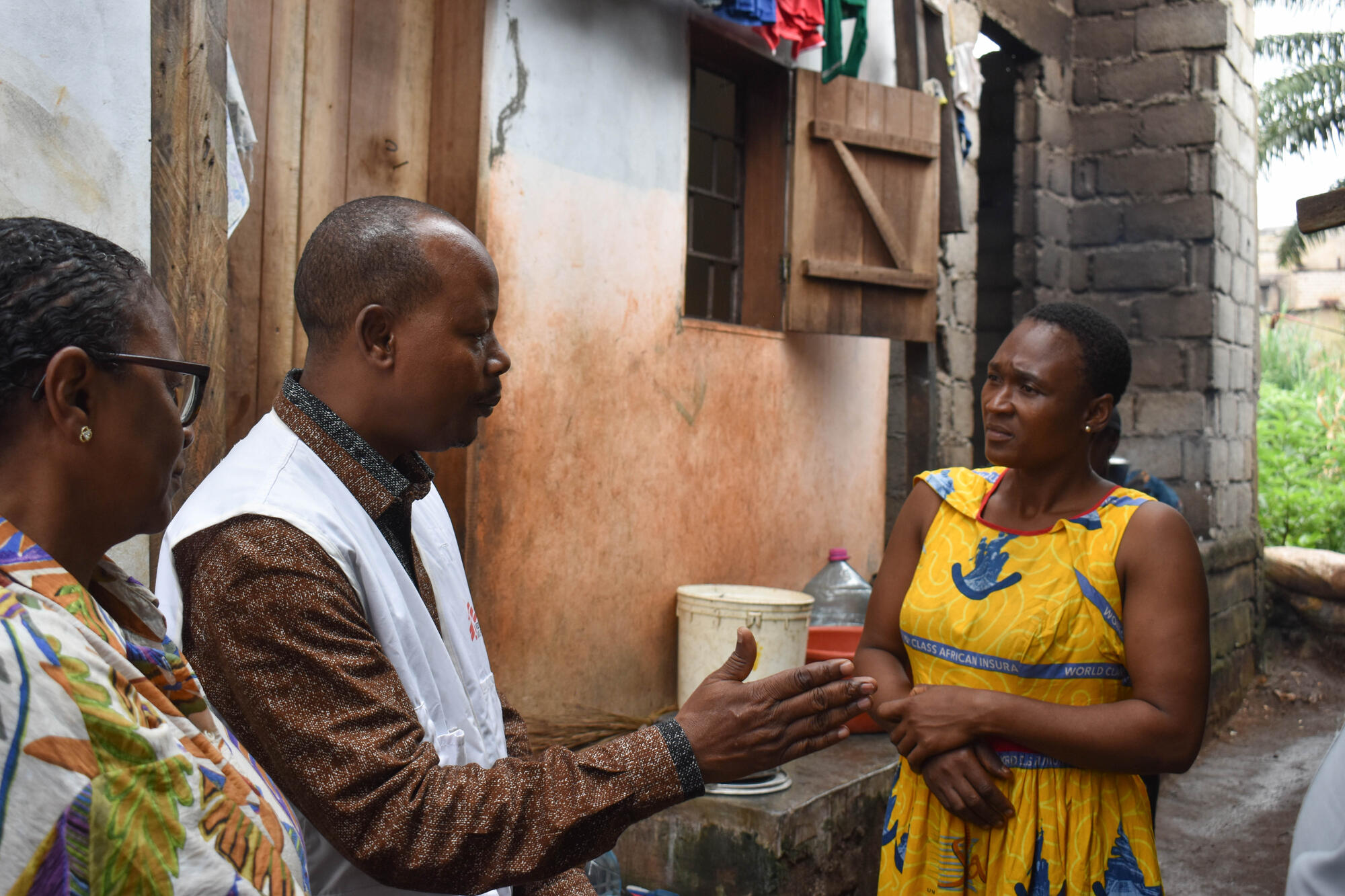
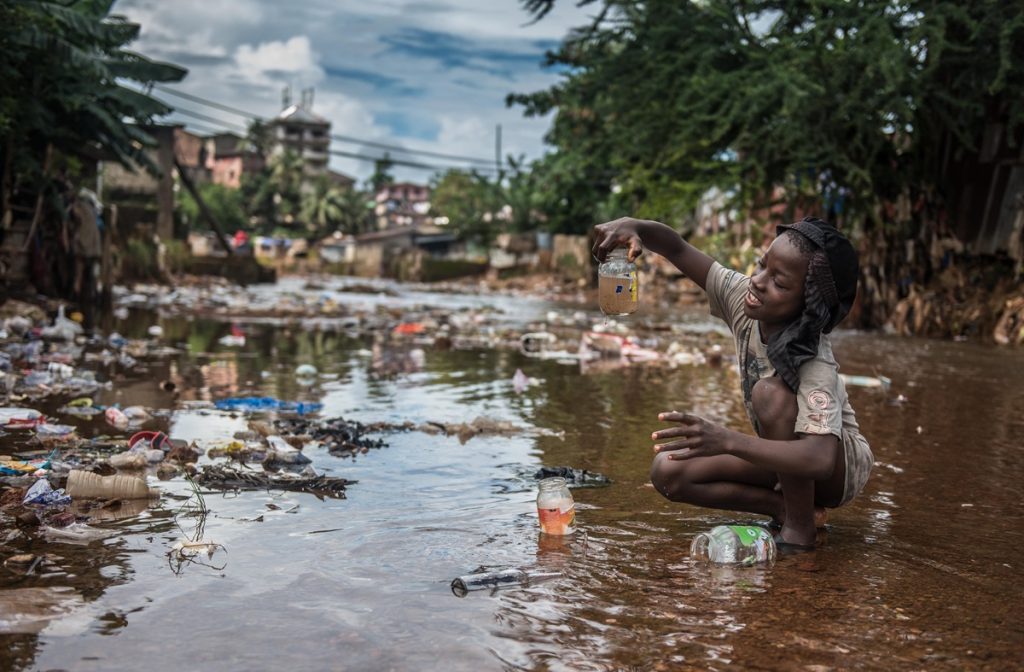
YAOUNDE – In Djoungolo, a densely populated neighbourhood in Cameroon’s capital, cholera is not an unfamiliar threat. The waterborne disease has repeatedly returned since October 2021, finding fertile ground in poor drainage, limited access to clean water and persistent gaps in sanitation infrastructure.
But a new initiative is testing whether the most effective response may begin with something often overlooked during a health emergency: listening to the people who live with the problem every day.
Launched in November 2024 by Médecins Sans Frontières (MSF) in partnership with Cameroon’s Ministry of Health, the project puts community knowledge at the centre of cholera prevention.
Rather than arriving with a predetermined set of solutions, MSF teams first consulted residents, community leaders, health authorities and other local stakeholders to understand the challenges facing Djoungolo, as well as the measures residents had already taken to address them.
ALSO READ: Hunger mounts, cemeteries grow in Sudan’s besieged al-Fashir
“We could not come in with ready-made solutions,” says Frida Tebere, MSF’s Patients and Populations as Partners (PPP) manager. “Patients and communities know their realities better than anyone.”
That approach revealed that Djoungolo was far from helpless.
Residents had already been organising community cleaning days to clear drainage channels and clean public spaces, according to neighbourhood chief Simon Ahanda. Their efforts were a grassroots response to the sanitation problems that help diseases such as cholera spread.
The challenge, therefore, was not to replace those efforts, but to strengthen them.
Building trust around chlorine
One of the biggest challenges identified during the consultations involved chlorine, an important tool in making drinking water safe but one that has historically attracted suspicion among some residents.
MSF found that the hesitation was less about rejecting water treatment than about uncertainty over how much chlorine to use and how to safely store treated water.
The project responded by introducing a peer-education system built around volunteer “model households”.
These households receive training on the correct use of chlorine and then pass the knowledge on to their neighbours, creating a network of local educators who can demonstrate safe water-treatment practices within their own communities.
“At first, we had concerns about using chlorine,” one member of a model household recalls. “Today, we also show other families how to treat their water.”
The initiative is also addressing the physical infrastructure behind the health crisis.
MSF is rehabilitating seven water points in Djoungolo and has established a local chlorine production unit intended to supply both health facilities and households. The measures are designed to tackle one of the fundamental conditions that allows cholera to persist: unreliable access to safe water.
A local battle in a much bigger crisis
Djoungolo’s experience is part of a much wider struggle.
Cameroon declared its current cholera outbreak on 29 October 2021 after cases were reported in the South-West, Centre and Littoral regions. By the end of April 2022, the World Health Organization had recorded more than 6,600 suspected cases and 134 deaths nationally.
The South-West region, particularly the Ekondo Titi and Bakassi health districts, recorded some of the heaviest losses.
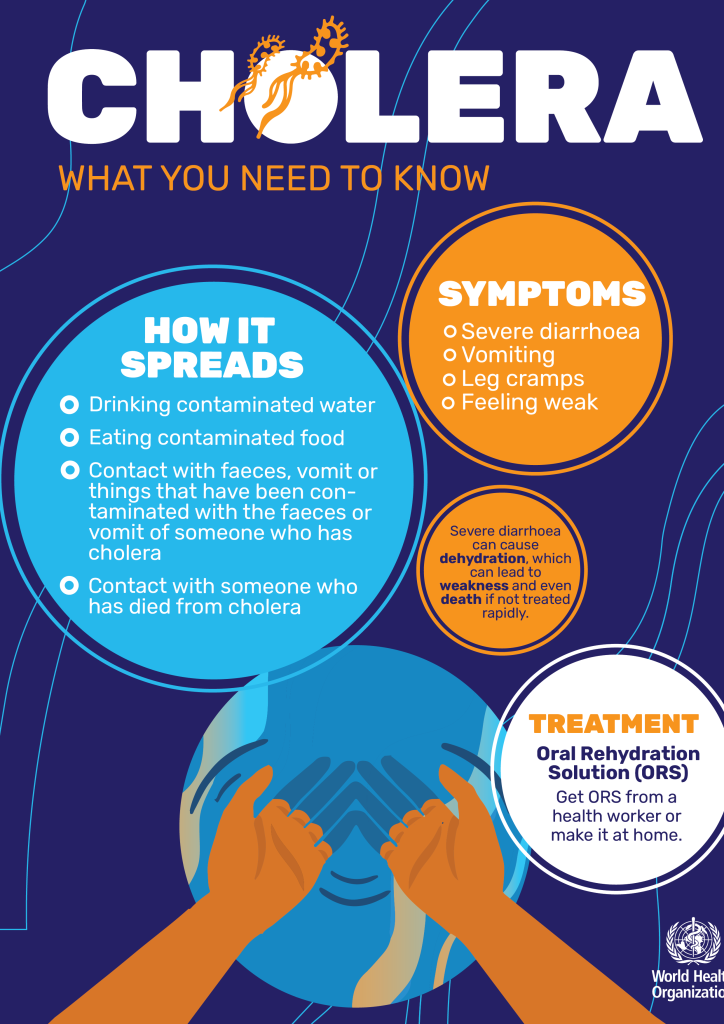
Across the WHO African Region, meanwhile, cholera has increasingly intersected with climate-related shocks. Drought, heavy rainfall and flooding have placed additional pressure on already fragile water and sanitation systems, creating conditions in which outbreaks can spread rapidly.
By the end of 2024, more than 457,000 cumulative cholera cases and over 8,100 deaths had been recorded across 18 African countries since January 2022.
By April 2025, the crisis had expanded to 19 countries, with more than 93,000 cases and nearly 1,900 deaths recorded that year alone.
Cameroon has appeared on the WHO’s list of affected countries in nearly every monthly bulletin issued since 2024, underscoring how persistent the country’s challenge has become.
For Djoungolo, cholera is therefore not simply an isolated neighbourhood health problem. It is part of a continental crisis in which weak water and sanitation systems, climate pressures and shrinking humanitarian resources are making prevention increasingly difficult.
From aid recipients to partners
MSF does not present the Djoungolo initiative as a substitute for emergency medical intervention. The organisation remains prepared to respond when outbreaks occur through free patient care, healthcare-worker training, support for peripheral health facilities and vaccination campaigns where necessary.
But the project is designed to address what happens between outbreaks.
Since 2025, more than 1.2 million people have been reached through awareness activities, while roughly 5,000 households are targeted every month across the Djoungolo health district.
The community’s role also extends beyond health education.
Residents have helped secure worksites and equipment during the rehabilitation of water points, giving them a direct stake in infrastructure that MSF hopes communities will continue to maintain after its teams eventually leave.
That is the central idea behind the Djoungolo model: cholera prevention cannot depend indefinitely on organisations arriving when a crisis is already underway.
In communities where humanitarian funding is under increasing pressure and health needs continue to grow, prevention has to become a shared responsibility, built with the people who face the risks every day.
“Our role is to listen, create dialogue and build solutions together with them,” Tebere says.
In Djoungolo, that shift is already changing the relationship between communities and humanitarian response. Residents are no longer simply waiting for help when cholera strikes. They are helping shape the measures designed to prevent the next outbreak.
And in a neighbourhood where the disease has returned time and again, that may be one of the most important interventions of all.