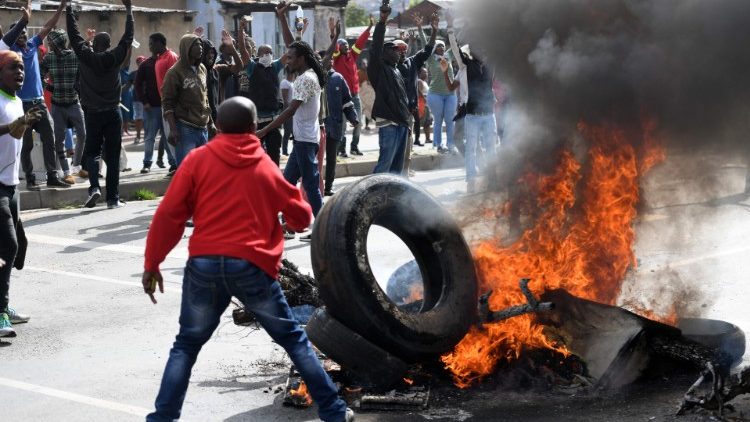
PRETORIA — The South African government is pushing back against what it describes as an international campaign to portray the country as hostile to foreign nationals, following a wave of controversial anti-illegal immigration protests that have reignited concerns over xenophobia.
The demonstrations, organised by the civil society movement March and March, have intensified debate over illegal immigration while drawing widespread criticism from human rights groups and observers across the African continent. The protests have also raised concerns about South Africa’s international reputation and its standing within Africa.
The government says it is increasingly concerned by what it believes is a coordinated effort to isolate South Africa diplomatically and cast it as a “pariah state”.
Presidency spokesperson Vincent Magwenya said there was a sustained campaign aimed at misrepresenting the country’s approach to immigration and called on South Africans and the international community to reject what he described as false narratives.
“This campaign is an affront to our nation and our values, and any misrepresentation must be met with the firmest rejection,” Magwenya said.
He stressed that while the government remains committed to enforcing immigration laws, it also has a constitutional duty to protect the rights and dignity of everyone living in South Africa, regardless of nationality.
Magwenya said the government had consistently condemned vigilantism and warned against the spread of misinformation, which he claimed was being amplified by some diplomatic representatives involved in criticism of South Africa.
READ MORE: Over 8 000 Foreign Nationals Arrested in South Africa since ‘June 30′
According to Magwenya, the government believes the campaign against the country is losing momentum as South Africa continues to engage constructively with African partners and the broader international community.
He pointed to a series of recent diplomatic engagements, including meetings between President Cyril Ramaphosa and French President Emmanuel Macron, as well as South Africa’s participation in international forums focused on trade, education and regional development.
Government argues that these engagements demonstrate South Africa’s continued commitment to African cooperation and global partnerships, with Ramaphosa also co-chairing high-level education discussions and regional summits aimed at advancing shared development across the continent.
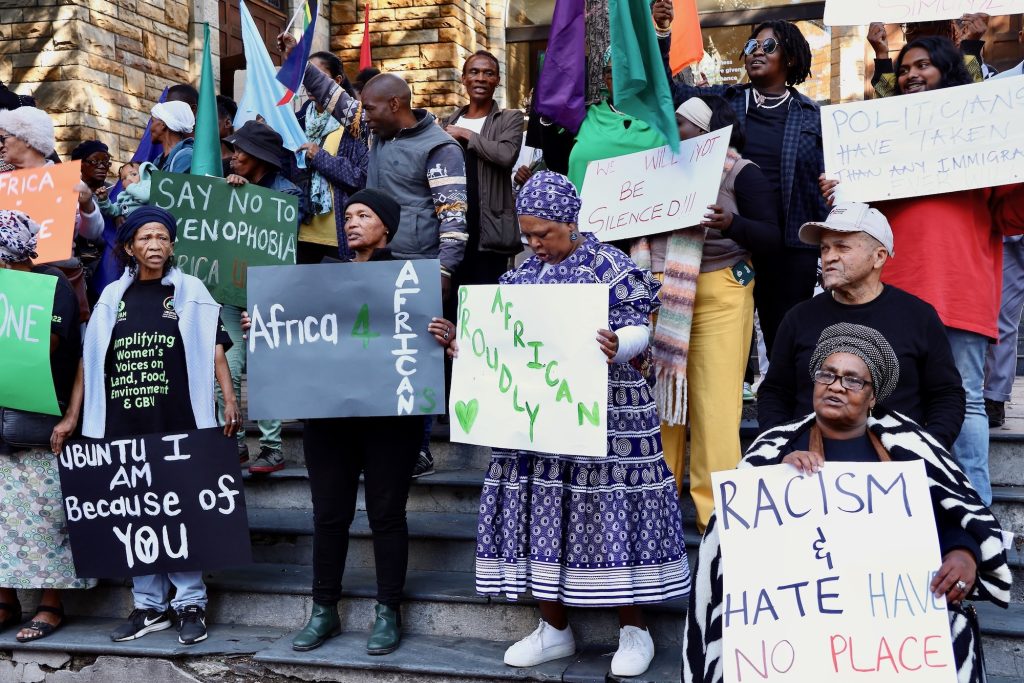
However, the immigration protests have also heightened fears among foreign nationals, particularly African and Asian migrants, who say they have become increasingly vulnerable to intimidation and violence.
Human Rights Watch researcher Nomathamsanqa Madikizela-Mpaka said while South Africans have every right to protest, those rights must not come at the expense of others.
“South Africans have the constitutional right to protest, but that right comes with responsibilities. Targeting and harassing non-nationals is not acceptable,” she said.
READ MORE: King Misuzulu Calls for African Unity on Illegal Immigration
Reports from several cities, including Durban, suggest that some protesters have stopped people in public and demanded identification documents, leaving many foreign nationals fearful for their safety.
Madikizela-Mpaka called for an independent investigation into allegations of harassment and violence, saying many victims are reluctant to report incidents because they fear discrimination or lack confidence in the criminal justice system.
“We see a troubling gap between what is reported and what authorities acknowledge,” she said.
The controversy has once again exposed the deep divisions surrounding immigration in South Africa, placing renewed focus on the country’s struggle to balance border enforcement, constitutional rights and its long-standing commitment to African solidarity.
As tensions continue, the debate over immigration is increasingly becoming a test of South Africa’s ability to address legitimate concerns about illegal migration while protecting vulnerable communities and preserving its reputation as a champion of human rights on the continent.