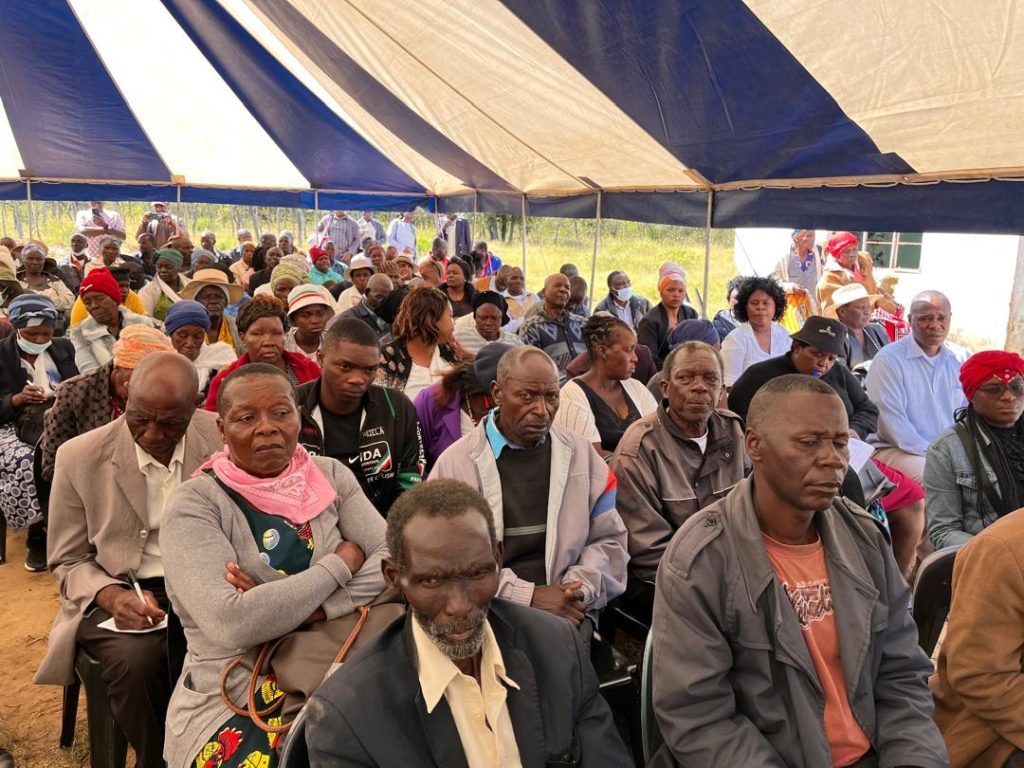
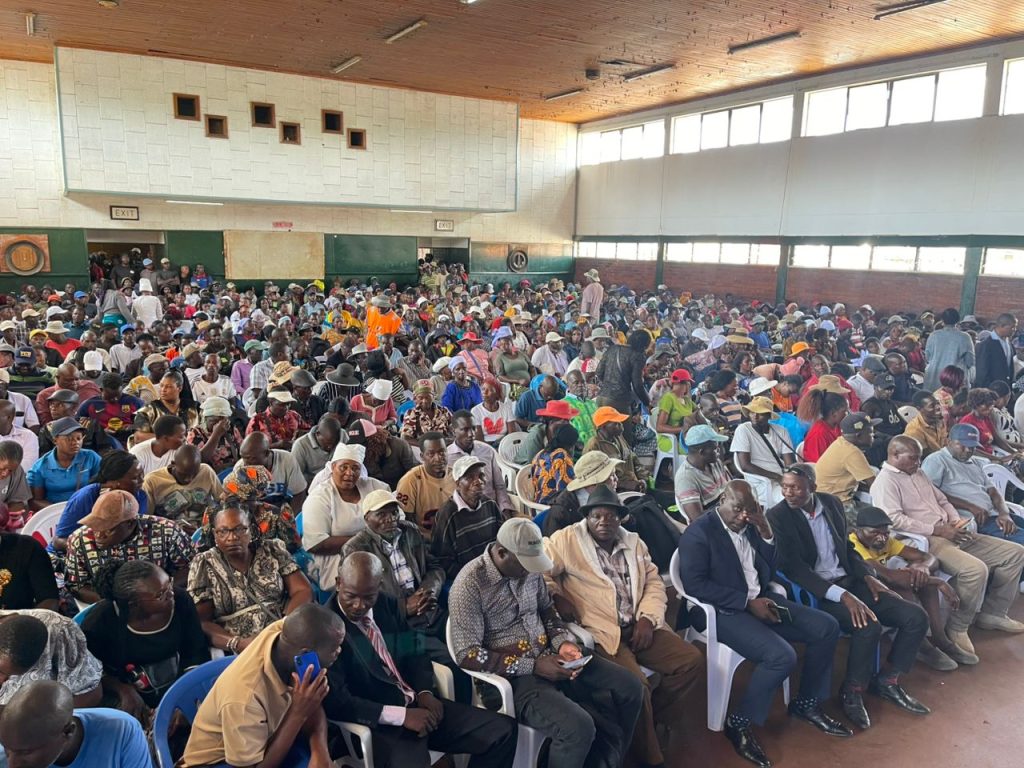
Public hearings on Zimbabwe’s proposed Constitutional Amendment Bill No. 3 are ongoing across the country, with citizens sharing their views.

HARARE – Public hearings on Zimbabwe’s proposed Constitutional Amendment Bill No. 3 are ongoing across the country, with citizens sharing their views on a set of reforms that could reshape the country’s governance framework.
The consultations, which began on Monday and are set to conclude on April 2, have drawn both strong support and vocal opposition. In several centres, discussions have been robust and detailed, although there have also been reports of tension, including claims that some participants were denied the opportunity to speak.
At the heart of the hearings is a wide-ranging debate on the implications of the Bill. Among those supporting the proposals is Dr Lengton Mabhanga from Kadoma in Mashonaland West, who pointed to the cost of elections as a key reason for backing the extension of the electoral cycle from five to seven years.
“According to The Centre for Election Innovation & Research in the United States, a country should not spend more than $10 per capita on elections,” Mabhanga said. “In Zimbabwe, the last three elections have cost between $43 and $47 per voter, which is four to five times higher than the global benchmark.”
READ MORE: Zimbabwe Gears Up for Big Say on Constitution Amendment Bill No.3
He argued that extending electoral cycles is a recognised way to reduce these costs, noting that several countries, both within Africa and beyond, have adopted similar approaches. “At a time when Zimbabwe is pursuing its development goals, it is only logical to adopt interventions that are globally accepted,” he said.
Medical doctor Shylock Muyengwa echoed this view, framing the proposed changes as both a financial and governance reform. “The Bill has been crafted with a budget in mind. Changes involving the electoral commission and the registrar could save around $15 million,” he said. He added that a seven-year electoral cycle could reduce costs by up to 36%, potentially saving about $20 million annually.
However, not all participants have had the opportunity to present their views. Constitutional lawyer Lovemore Madhuku criticised the process, alleging that dissenting voices were being sidelined. “We were not allowed to speak, and there was violence. Parliament has failed to provide the space for proper consultation. What is happening is contrary to what the Constitution requires,” he said.
Some citizens have taken a more nuanced position, supporting certain provisions while questioning others. Rejoice Ndlovu from Ward 15 in Vulindlela expressed support for proposals to expand the jurisdiction of the Constitutional Court, arguing that it would improve access to justice.
READ MORE: Zimbabwe’s Amendment Bill No. 3 Sparks Nationwide Debate as Public Hearings Draw Thousands
“In the past, cases would move from the Magistrate’s Court to the Supreme Court and you had nowhere else to go. Now there is provision for matters to be heard by the Constitutional Court,” she said. Ndlovu also backed the removal of voter registration responsibilities from the Zimbabwe Electoral Commission, saying civil registry authorities are better placed to manage such records. She further supported extending the presidential term, arguing it would allow more time for development projects to be completed.
Others remain indifferent. Dumisani Moyo, a teacher from Plumtree, said the outcome of the process would have little impact on his day-to-day life. “It’s not about supporting or opposing the Bill. Life goes on regardless of the outcome,” he said.
As the hearings continue under the watch of legal observers and regional monitors, a central question remains: do these consultations represent a genuine effort at inclusive governance, or are they a procedural step toward a predetermined outcome?
For now, Zimbabweans are continuing to show up, speak out, and engage with a process that could shape the country’s political future.