At a high-level session on the margins of the 2025 UN High-level Political Forum, African leaders called for structural reforms to expand domestic resource mobilisation, build regional value chains and shift away from exporting raw commodities
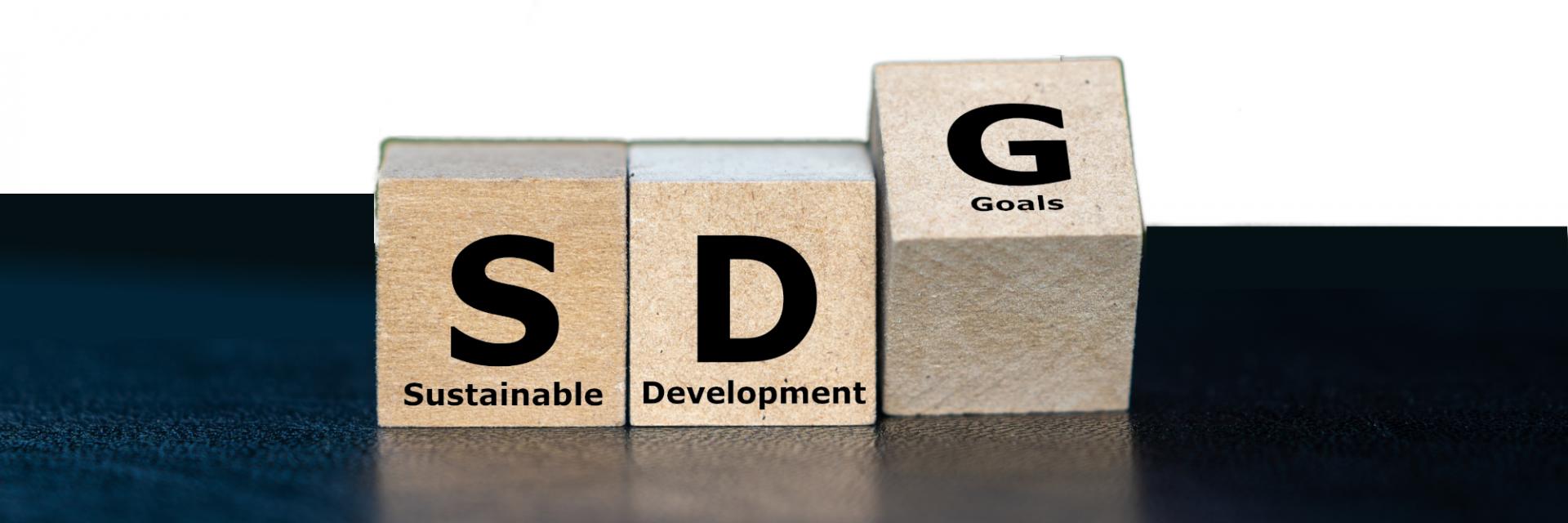
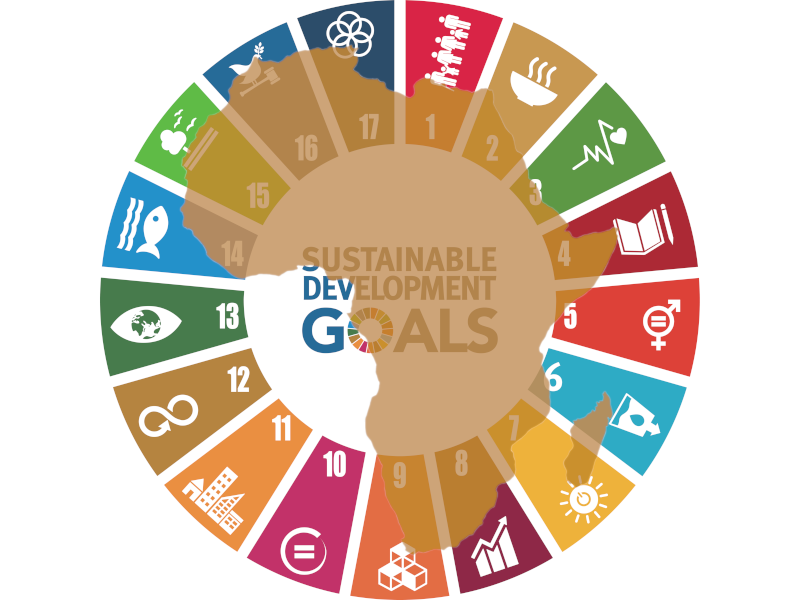
New York, USA – Foreign aid is no longer a viable solution for Africa’s growing development needs. The continent’s annual Sustainable Development Goal financing shortfall has reached $1.3 trillion, and leaders are increasingly clear-eyed about the limits of donor-driven models.
At a high-level session on the margins of the 2025 UN High-level Political Forum, African leaders called for structural reforms to expand domestic resource mobilisation, build regional value chains and shift away from exporting raw commodities.
“Aid won’t close the gap. We must stop exporting raw materials and importing poverty,” said Claver Gatete, UN Under-Secretary-General and Executive Secretary of the Economic Commission for Africa (ECA).
He called for greater investment in manufacturing, green industries and youth-led enterprises. More than 80 per cent of Africa’s exports remain unprocessed, a model he described as unsustainable.
Gatete was speaking at a session organised on the margins of the 2025 High-level Political Forum on Sustainable Development in New York. The event, co-hosted by the Government of Uganda and the ECA, focused on how to translate the Kampala Declaration, adopted at this year’s Africa Regional Forum on Sustainable Development (ARFSD), into concrete action.
READ MORE: African Bank’s $17M Bet on Jobs Over Guns in Mozambique’s Cabo Delgado
Uganda’s Prime Minister Robinah Nabbanja said the continent was “dangerously off track” but highlighted progress made in her country, including reductions in maternal mortality, gains in gender equality and increased national budget allocations linked to the Sustainable Development Goals.
“The Kampala Declaration is practical,” said Nabbanja. “We’re proud to host this conversation and to take it forward in terms of implementation.” Her remarks underscored a broader shift toward self-determined development.
Uganda chaired the ARFSD Bureau in 2025 and has introduced measures to align domestic planning with regional and global frameworks. Despite this, debt pressures, limited access to concessional finance and the high cost of capital continue to challenge many African economies.
Gatete reiterated ECA’s support for the creation of an African Credit Rating Agency, arguing that current international rating practices distort risk and restrict access to affordable capital. He also called for scaling blended finance mechanisms, issuing local currency bonds and digitising tax and revenue systems to boost efficiency and compliance.
He noted that inclusive growth also depends on people-centred investments. “We must stop viewing youth as recipients of development and start recognising them as drivers of it,” he said, emphasising the need for vocational training, digital skills and youth entrepreneurship.
Selma Malika Haddadi, Deputy Chairperson of the African Union Commission, said the Kampala Declaration represents more than a political commitment. “It is not just about potential. It is about will,” she said. “Partnership is not patronage. It must be grounded in mutual recognition and institutional respect.”
READ MORE: African Cities Deepen Fiscal Reforms to Drive Sustainable Development
She warned against “performative partnerships” and called for better alignment between global funding frameworks and Africa’s priorities. Haddadi cited progress on regional integration, including the rollout of the Pan-African Payment and Settlement System and implementation of the African Union’s climate finance strategy.
With fewer than five years remaining to achieve the 2030 Agenda for Sustainable Development, and with the second ten-year plan of Agenda 2063 now underway, speakers agreed that declarations must be backed by systems capable of delivery. The Kampala Declaration, they said, provides a roadmap, but only coordinated action will close the gap.
The event drew senior-level representation from across the continent and the UN system, including Uganda’s Minister for General Duties, Justine Kasule Lumumba; UN Special Adviser on Africa, Cristina Duarte; and other experts and policymakers engaged in development financing, innovation and regional planning.
“The future we want will not be given to us,” Gatete said. “It must be built. And we must build it now.”