MBABANE — Eswatini has confirmed the voluntary repatriation of two Third Country Nationals (TCNs) transferred to the kingdom under its controversial migration arrangement with the United States, marking the first confirmed departures since the programme began and potentially opening a new chapter in a deal that has faced sustained scrutiny from rights groups and civil society.
Acting Government Spokesperson Thabile Mdluli said the two men, one from Mauritania and the other from the Democratic Republic of Congo (DRC), had been voluntarily repatriated to their respective countries.
The Mauritanian national arrived in Eswatini in July as part of the fourth group of deportees received under the bilateral arrangement with Washington.
According to the government, he requested to return home to reunite with his family. Authorities subsequently facilitated his repatriation, and he left Eswatini for Mauritania on Saturday, 15 August.
The DRC national, who arrived earlier as part of the third group, was repatriated the following day, Sunday, 16 August, after also requesting to return home and reunite with his family.
Government said the departures form part of broader arrangements concerning TCNs temporarily residing in Eswatini.
It also confirmed that other deportees currently in the kingdom have expressed an interest in returning to their countries of origin.
READ MORE: Eswatini Welcomes 15 Citizens Repatriated from Gulf States
“Government is engaging with the relevant authorities and partners to facilitate such requests in accordance with the applicable arrangements and procedures,” Mdluli said.
She reiterated that the government was seeking to balance its obligations towards the deportees with the security interests of the kingdom.
“Government reiterates its commitment to ensuring that the rights and well-being of Third Country Nationals are respected and protected during their temporary stay in the Kingdom, while also safeguarding the security and interests of the Kingdom and its people,” the statement said.
The government added that the public would be informed of further developments.
A deal shrouded in controversy
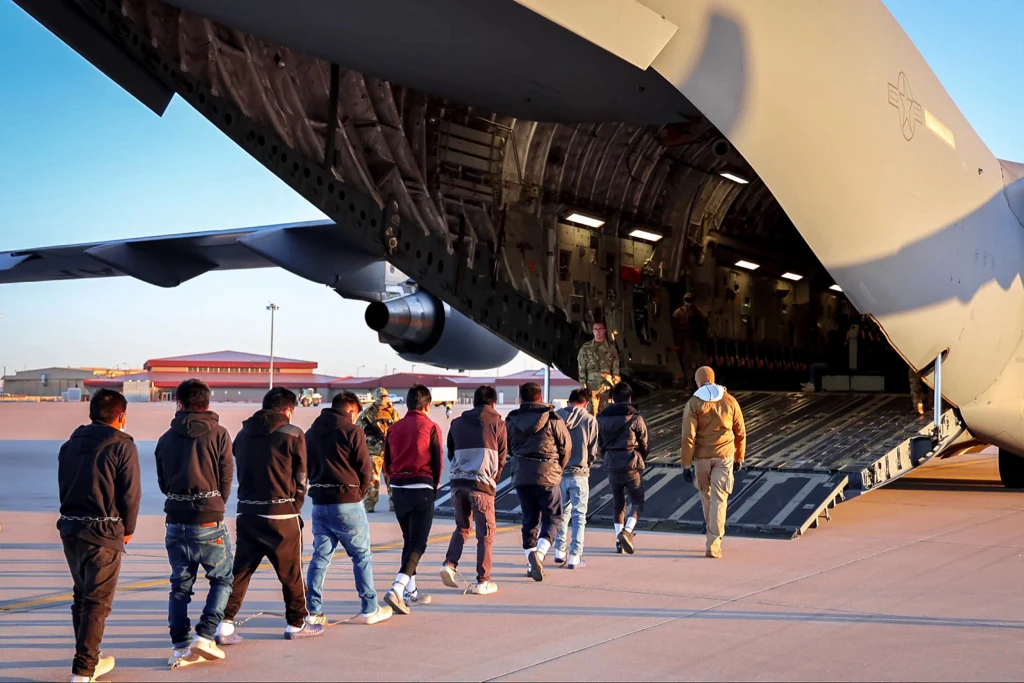
Eswatini’s involvement in the US third-country deportation programme dates back to July 2025, when it became the second African country, after South Sudan, to accept migrants deported from the United States who could not be returned to their countries of origin.
The first group consisted of five men from Vietnam, Jamaica, Cuba, Yemen and Laos. US authorities said at the time that the men had been convicted of serious crimes, including murder and rape.
Under the written agreement, Eswatini agreed to accept up to 160 deportees from other countries in exchange for a reported $5.1 million. The arrangement has since expanded through successive groups.
By July 2026, the number of TCNs transferred to the kingdom had risen to about 30. The latest group, referred to by the government as the fourth, was described as being predominantly made up of African nationals.
From the beginning, however, the arrangement has been clouded by questions over transparency.
Civil society organisations, including the pro-democracy movement SWALIMO, have repeatedly criticised the government of King Mswati III for not publicly disclosing the full terms of the agreement or submitting it to Parliament for scrutiny.
The dispute has also reached the courts.
In February, Eswatini’s High Court dismissed a legal challenge brought by the Eswatini Litigation Centre and a group of human rights lawyers seeking to have the arrangement declared unconstitutional.
READ MORE: Eswatini, UAE Launch Africa’s First She Powers Africa Digital Academy
The court ruled that the applicants lacked direct standing to bring the case. Rights advocates argued that the decision left wider questions around transparency, due process and the treatment of the deportees unresolved.
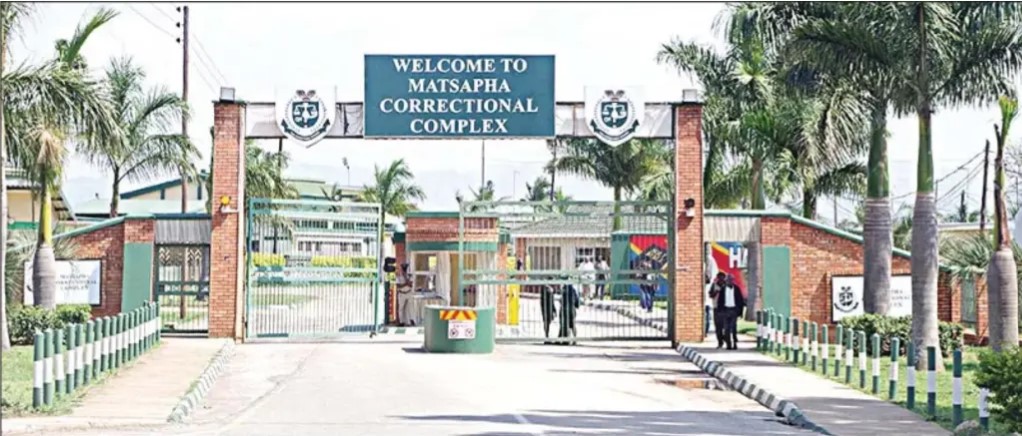
The successive groups of deportees have been held at Matsapha Correctional Centre near Mbabane, in facilities government has described as isolated units.
The Trump administration has pursued similar third-country deportation arrangements with several countries, including South Sudan, Rwanda, Ghana, Uganda, Sierra Leone, Equatorial Guinea, the Central African Republic and Kosovo, as Washington seeks to accelerate the removal of migrants whose countries of origin have declined to accept them.
The departure of the two men could now intensify scrutiny of the remaining TCNs in Eswatini, particularly as the government acknowledges that others have also expressed a desire to return home.
The repatriations may also place renewed focus on the terms of the agreement between Mbabane and Washington, including the number of deportees Eswatini has agreed to accommodate, the conditions under which they are being held and the procedures governing their eventual return.
For months, the migration arrangement has been defined as much by the information that remains undisclosed as by what government has confirmed publicly.
The latest developments suggest that the status of the remaining deportees could become an increasingly important issue for the Eswatini government, rights organisations and the wider region.