JOHANNESBURG – King Misuzulu kaZwelithini has called for greater cooperation among African nations to tackle illegal immigration and strengthen border governance following high-level talks with Zimbabwean President Emmerson Mnangagwa in Harare.
The meeting, described by the King’s Office as highly successful, marked the culmination of weeks of diplomatic engagement between traditional leaders and government aimed at finding a regional response to one of Southern Africa’s most divisive issues.
The process began on 27 June, when President Cyril Ramaphosa met traditional leaders to discuss growing anti-immigrant sentiment in South Africa and possible interventions. The following day, King Misuzulu and AmaMpondo aseNyandeni King Ndamase Ndamase met Ramaphosa again, where they agreed on the need to engage regional leaders directly.
On 3 July, King Ndamase formally wrote to International Relations and Cooperation Minister Ronald Lamola and President Mnangagwa, urging Zimbabwe to host the dialogue. In his letter, he cited Mnangagwa’s Pan-African credentials as a basis for facilitating discussions on migration, border management and regional cooperation.
That diplomatic groundwork paved the way for Friday’s engagement, which the King’s Office says represents more than a ceremonial visit. In a statement released on Monday, the office described the discussions as an important step towards strengthening collaboration between traditional leadership and governments on issues affecting the continent.
ALSO READ: Zulu Royal Family Moves to Mend Rift with Shembe Church After King’s Public Apology
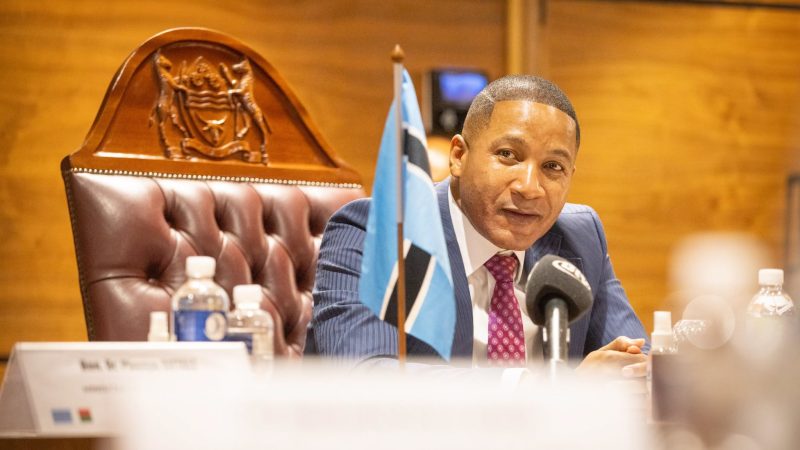
During the meeting, King Misuzulu delivered what his office described as a landmark address centred on three themes: African unity, responsible migration and effective border governance. He also highlighted the role of traditional leaders in promoting peace, stability and cooperation across Southern Africa.
The King was accompanied by Queen Nomzamo Myeni and a delegation of traditional leaders, including King Ndamase, underscoring the deep historical and cultural ties shared by communities across the region.
Reject Xenophobia And Illegal Immigration
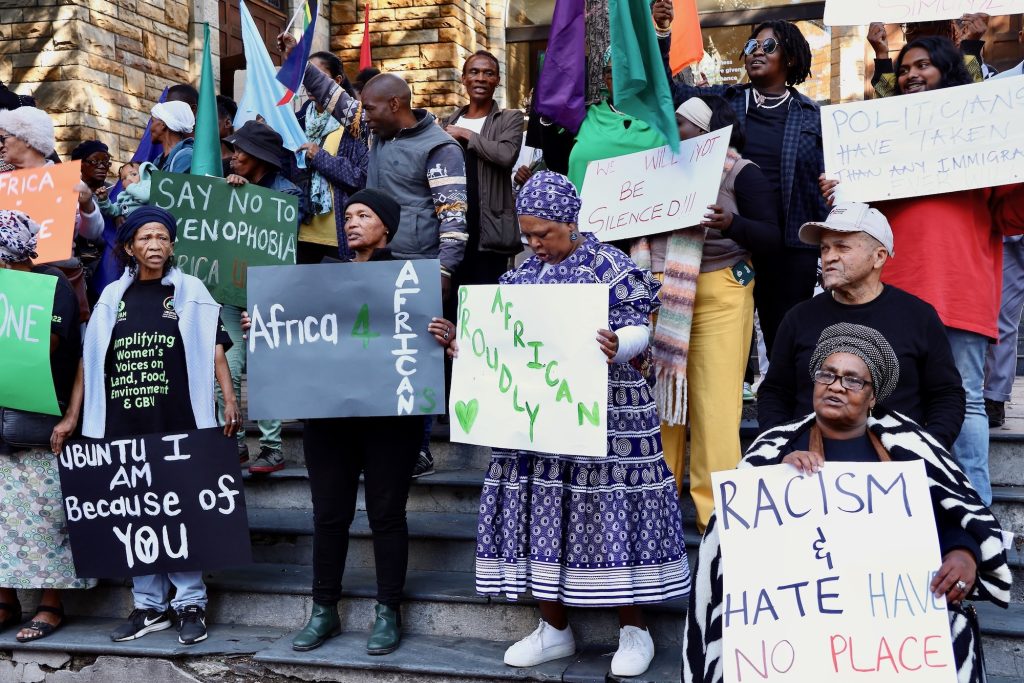
Speaking after the meeting, King Ndamase said the delegation’s message was clear: African leaders must reject both xenophobia and illegal immigration.
He stressed that opposing undocumented migration should not be confused with hostility towards foreign nationals, noting that the South African government itself supports lawful immigration while rejecting xenophobic violence.
“Our objective is for African leaders to speak one language only, the language of unity,” he said.
King Misuzulu reinforced that message by reflecting on his own arrival in Zimbabwe. He said he complied with the country’s immigration procedures by presenting his passport, declaring the purpose of his visit and providing details of his accommodation.
The King said following Zimbabwe’s immigration laws did not diminish his status but demonstrated respect for the country’s sovereignty.
He argued that every member state of the United Nations protects its borders, issues visas and enforces immigration laws, and Africa should not apologise for exercising the same sovereign rights.
At the same time, he cautioned against increasingly polarised public debate. The King warned that legitimate concerns over undocumented migration are too often dismissed as xenophobia, while foreign nationals are unfairly blamed for longstanding social and economic challenges.
Ahead of the visit, the King’s private secretary, Arnold Ndamase, confirmed that immigration would dominate discussions, although the details remained confidential.
He said the delegation intended to address the challenge of balancing secure border management with the longstanding family, cultural and historical ties that bind communities across Southern Africa.
According to royal insiders, the delegation also conveyed concerns that growing public calls for the deportation of undocumented migrants are driven less by xenophobia than by community concerns over crime, pressure on public services and competition in the labour market. Border management from the perspective of neighbouring states also formed part of discussions with Mnangagwa.
SADC Minority Summit
Beyond immigration, King Ndamase said the delegation proposed a SADC regional minority summit in Victoria Falls. The initiative aims to reposition migration not merely as a security challenge, but as a potential driver of regional investment and economic integration under the African Continental Free Trade Area.
The discussions come against the backdrop of significant population movements between Zimbabwe and South Africa.
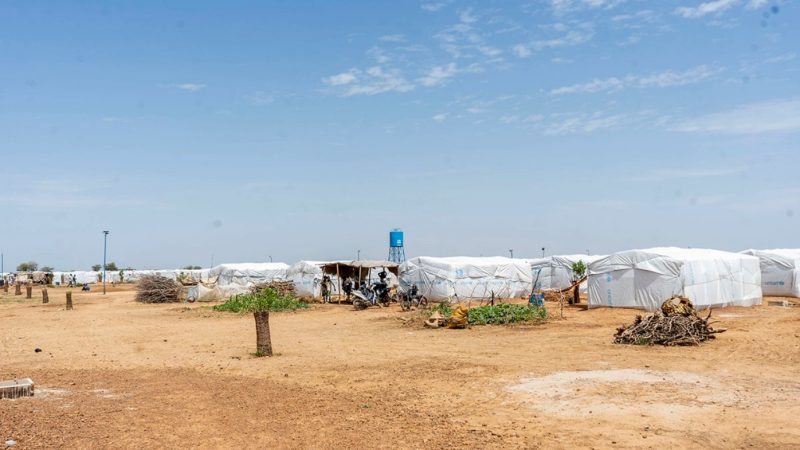
Zimbabwe’s Information Minister, Zhemu Soda, said 21,291 Zimbabwean nationals have been formally repatriated from South Africa since May, while another 56,832 have returned voluntarily, many citing fears of violence.
Zimbabwe has since established an inter-ministerial committee to oversee the reception, registration, transport and reintegration of returnees, highlighting the scale of the challenge facing both countries.
ALSO READ: South Africa Tightens Border Security as Festive Season Travel Surge Looms
King Misuzulu has also played a prominent role in easing tensions within South Africa.
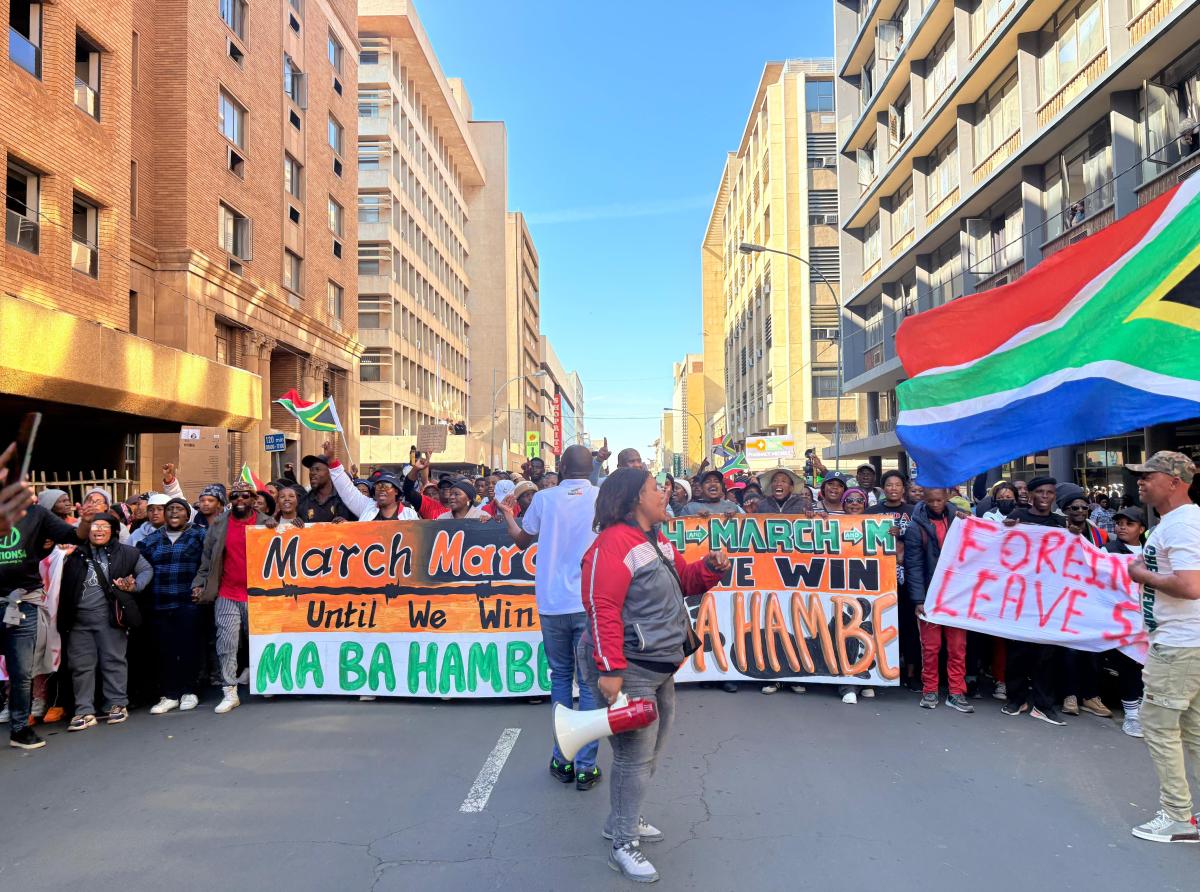
Ahead of the planned national shutdown on 30 June, he reportedly urged communities in KwaZulu-Natal, the focal point of the demonstrations, to reject violence and the destruction of property. He also instructed royal regiments and community coordinators to help protect foreign nationals during the protests.
Those efforts unfolded amid intensifying campaigns by some community groups in KwaZulu-Natal calling for undocumented migrants to leave South Africa. While government maintains that immigration laws must be enforced within the bounds of the law, some protesters have taken matters into their own hands by confronting foreign nationals directly, raising concerns over vigilantism.
Against this backdrop, King Misuzulu’s meeting with Mnangagwa represents more than a diplomatic courtesy.
It reflects a growing effort by traditional leaders to use their cultural authority and longstanding cross-border relationships to help address challenges that governments have struggled to resolve alone.
Whether the discussions ultimately translate into lasting regional policy on migration and border governance remains uncertain. However, the King’s Office said both leaders reaffirmed their commitment to African-led solutions, responsible governance and closer cooperation in addressing the developmental challenges facing the region.