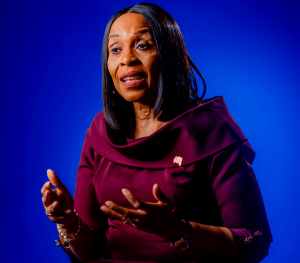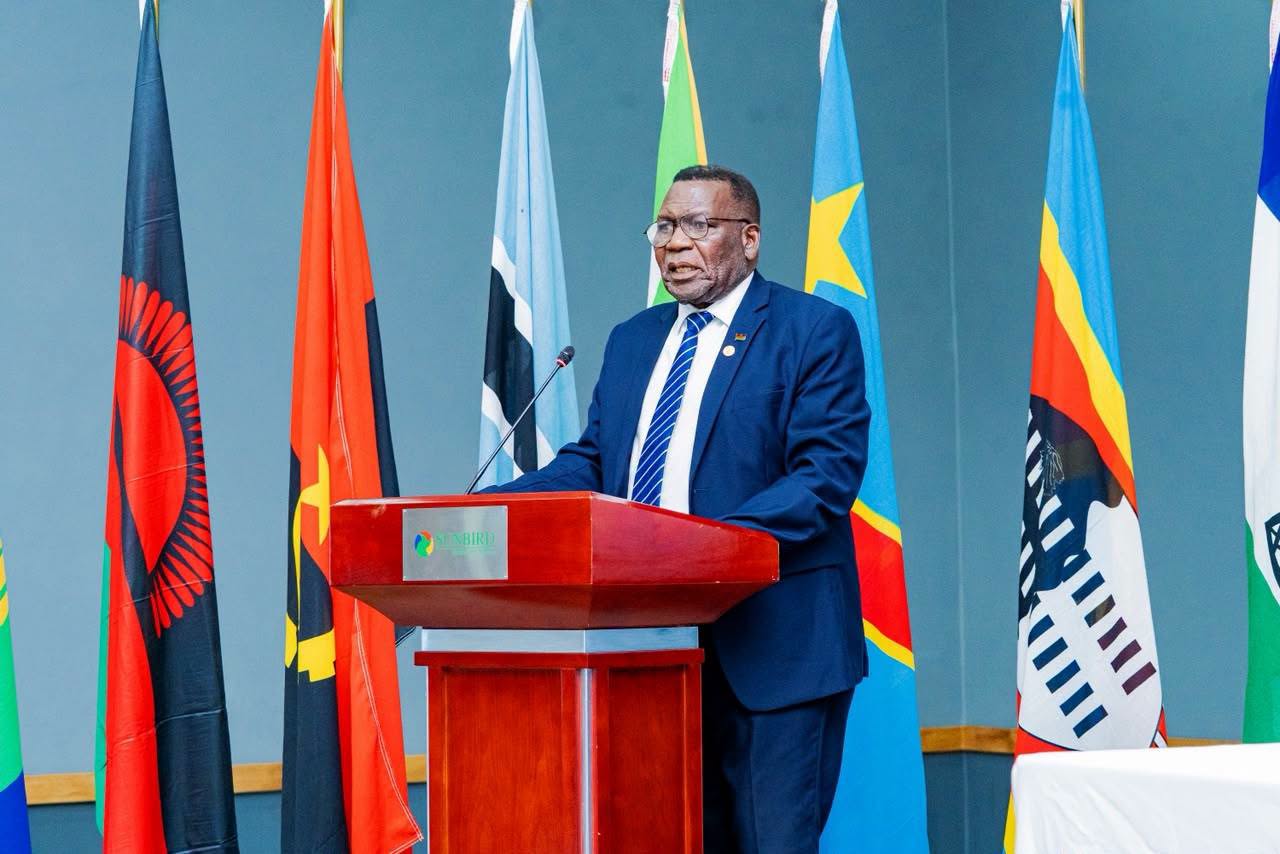
SALIMA, Malawi — Malawi’s Minister of Foreign Affairs and International Cooperation, Dr George Thapatula Chaponda, has called on Southern African Development Community (SADC) member states to strengthen regional solidarity and work with “unity of purpose” as the bloc confronts growing security and political challenges in the eastern Democratic Republic of Congo (DRC), Madagascar and Mozambique.
Chaponda made the remarks on Thursday while officially opening the 28th Ordinary Meeting of the SADC Ministerial Committee of the Organ on Politics, Defence and Security Cooperation at the Livingstonia International Conference Centre in Salima.
Speaking on behalf of Malawian President Professor Arthur Peter Mutharika, Chaponda welcomed ministers, senior government officials and delegates from across the 16-member regional bloc, describing the gathering as a crucial platform for shaping Southern Africa’s peace and security agenda.
“As Chair of the SADC Organ on Politics, Defence and Security Cooperation, Malawi is honoured to host this important meeting, which brings together ministers entrusted with advancing peace, security and stability in our region,” Chaponda said.
He added that the attendance of member states reflected their shared commitment to regional solidarity, cooperation and collective responsibility, principles that continue to underpin the SADC community.
READ MORE: SADC Deploys Emergency Response Team to Mozambique and South Africa as Flood Crisis Deepens
The meeting also marks a change in leadership within the SADC Organ.
Outgoing chairperson Mahmoud Thabit Kombo of Tanzania handed over the chairmanship to Eswatini’s Minister of Foreign Affairs and International Cooperation, Pholile Shakantu.
Chaponda acknowledged both leaders during his opening address, along with SADC Executive Secretary Elias Mpedi Magosi and Malawi’s Secretary for Foreign Affairs, Chancy Simwaka, who chaired the preceding meeting of senior officials.
Security challenges dominate agenda
While noting that SADC has made significant progress in promoting peace, democratic governance and regional cooperation, Chaponda warned that the regional security landscape remains increasingly complex.
“The global and regional landscape continues to evolve rapidly, presenting both opportunities and challenges for our region,” he said.
Those challenges are expected to dominate discussions during the two-day ministerial meeting.
Senior officials who met in Salima from 13 to 14 July focused on the humanitarian and security crisis in the eastern DRC, political developments and electoral issues in Madagascar, and ongoing efforts to stabilise Mozambique’s Cabo Delgado province following years of insurgency.
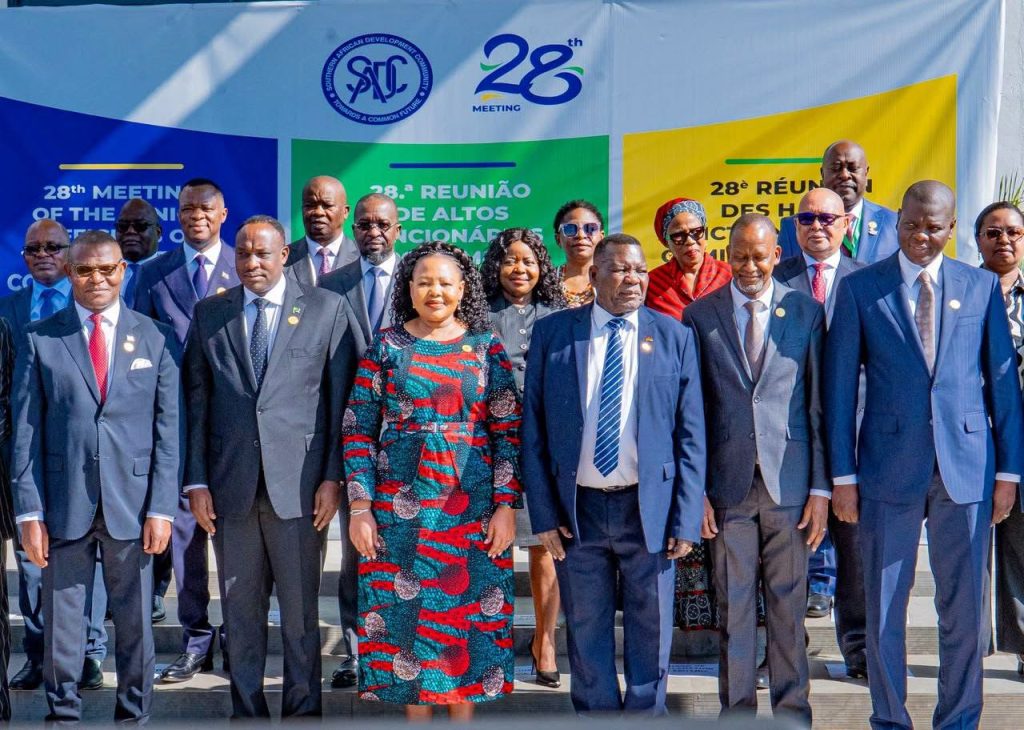
Recommendations from those discussions are expected to be considered by ministers before being submitted to the SADC Heads of State and Government Summit scheduled for August.
The ministerial agenda also includes implementation of the SADC Mutual Defence Pact, governance, conflict prevention and regional peace-building initiatives.
Chaponda described the Ministerial Committee as one of the organisation’s most important institutions for advancing SADC’s vision of “a peaceful, secure and stable Southern Africa.”
The Malawian minister urged delegates to approach the deliberations in a spirit of cooperation and consensus.
READ MORE: SADC Disaster Management Officials Meet in Zimbabwe as Region Faces Growing Climate Threats
He said SADC’s success has always been built on mutual respect, sovereign equality, solidarity, consensus and a shared determination to promote peace, democracy, security and sustainable development.
“I encourage all delegations to engage openly and constructively, drawing upon our collective experience and commitment to the shared aspirations of the peoples of Southern Africa,” Chaponda said.
He expressed confidence that the meeting would produce practical outcomes that would strengthen regional cooperation and reinforce the work of the Organ on Politics, Defence and Security Cooperation.
Beyond security
In addition to addressing regional peace and security, delegates are also expected to consider proposals aimed at preserving Southern Africa’s liberation history.
Among the initiatives under discussion are plans to establish a regional liberation museum, produce documentary films highlighting the contributions of SADC’s founding leaders, and distribute Swahili translations of the writings of the late Brigadier General Hashim Mbita.
The Ministerial Committee, established in 1996, remains one of SADC’s principal decision-making bodies on political, defence and security matters. Its recommendations help shape policy decisions taken by the SADC Summit and guide the bloc’s collective response to emerging regional threats.
The outcomes of the Salima meeting are expected to inform discussions at next month’s SADC Heads of State and Government Summit.
Closing his address, Chaponda officially declared the meeting open and thanked delegates in four languages, saying, “Zikomo kwambiri. Asante Sana. Muito Obrigado. Merci Beaucoup,” a gesture reflecting the cultural and linguistic diversity of the Southern African region.