Mozambique and South Africa have been the hardest hit, prompting urgent calls for coordinated international and regional support.

JOHANNESBURG – The Southern African Development Community (SADC) has deployed its Emergency Response Team (ERT) to Mozambique and South Africa, stepping in as extreme weather and widespread flooding continue to claim lives, displace communities and cripple infrastructure across the region.
The regional intervention, running from January 23 to 31, 2026, comes amid escalating humanitarian needs following weeks of heavy rainfall that have triggered river overflows, dam spillages, and flash floods in multiple SADC member states, including Eswatini, Malawi, Mozambique, South Africa, Zambia, and Zimbabwe. Mozambique and South Africa have been the hardest hit, prompting urgent calls for coordinated international and regional support.
The ERT deployment is part of SADC’s standing disaster response mechanisms, designed to reinforce government-led relief efforts in member states facing major emergencies. On the ground, the team will assist national authorities with emergency response operations, early recovery planning, real-time situation monitoring and the consolidation of a regional humanitarian appeal based on evolving impact assessments.
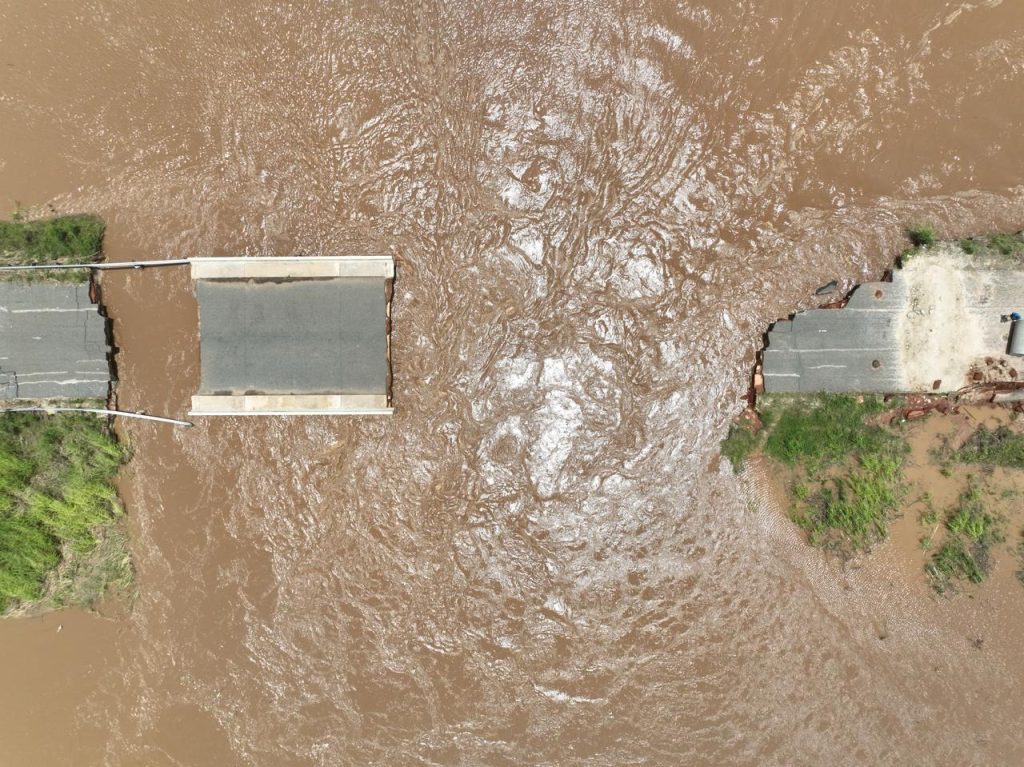
Flooding across Southern Africa has already affected more than one million people, according to SADC estimates, with thousands displaced and multiple fatalities reported. Beyond the immediate human toll, the floods have damaged roads, bridges, schools, health facilities and water systems, disrupting essential services and heightening the risk of disease outbreaks and food insecurity.
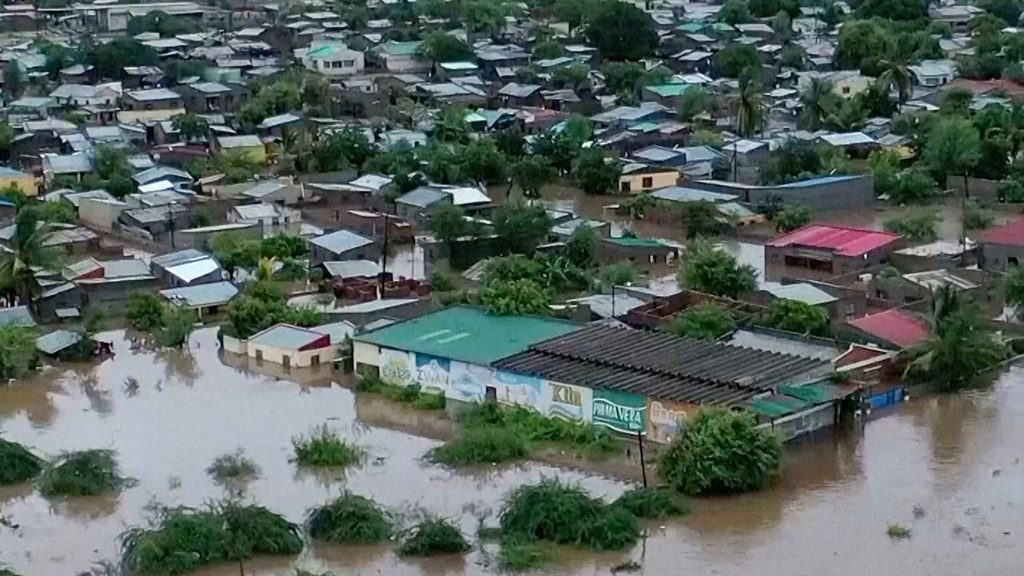
In Mozambique, flooding has severely impacted central and southern provinces, including Gaza, Maputo, Sofala, Inhambane and Manica. The government declared a Red Alert on 16 January 2026, warning of escalating risks and formally appealing for humanitarian assistance as low-lying communities and agricultural zones remain submerged.
READ MORE: Severe Flooding Batters Southern Africa, Forcing Mass Displacement and Regional Emergency Response
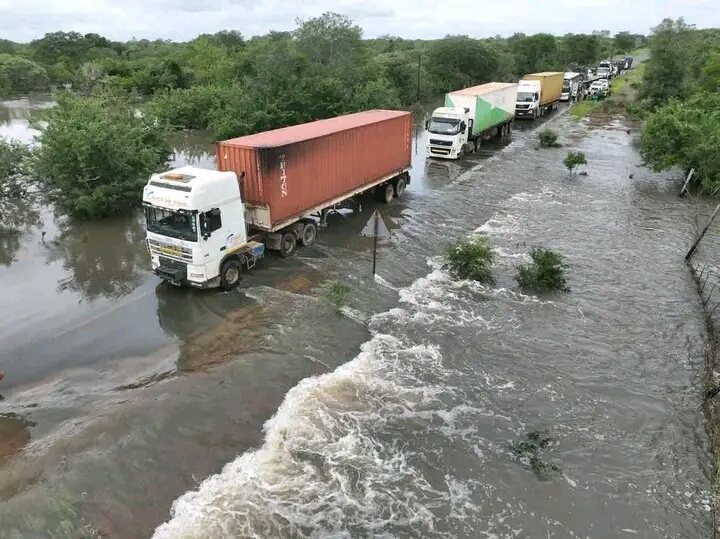
South Africa has also declared a State of National Disaster following destructive flooding in Limpopo and Mpumalanga provinces. In some areas, communities have been cut off by washed-away roads, while homes, crops and public infrastructure have sustained extensive damage. Provincial authorities have warned that recovery will require significant financial and logistical support beyond national capacity.
At the centre of the regional response is the SADC Humanitarian and Emergency Operations Centre (SHOC), which coordinates preparedness, response, and early recovery efforts. SHOC is working closely with national disaster management structures, the United Nations Office for the Coordination of Humanitarian Affairs (OCHA), the International Federation of Red Cross and Red Crescent Societies (IFRC), and the United Nations Disaster Assessment and Coordination (UNDAC) mechanism.
Together, these partners aim to ensure that relief efforts are better aligned, data-driven and responsive to real-time needs on the ground. The ERT’s mandate includes building a comprehensive picture of humanitarian conditions, assessing response capacities, identifying priority gaps and advising on how SADC can deliver targeted and effective regional assistance.
The current crisis has once again exposed the region’s vulnerability to climate extremes, particularly in flood-prone river basins and low-lying settlements where infrastructure remains fragile and disaster preparedness uneven.
READ MORE: Severe Weather Disrupts Access to Kruger National Park as Flood Risks Rise
Scientists and climate policy experts have repeatedly warned that Southern Africa is likely to experience more frequent and intense extreme weather events due to climate change, placing additional strain on governments already grappling with fiscal constraints, infrastructure backlogs and social inequality.
In many affected communities, floods have not only destroyed homes and livelihoods but also disrupted school terms, cut access to healthcare and undermined food production at a time when global food prices remain volatile.
While the immediate focus remains on saving lives and restoring basic services, SADC officials have emphasised the importance of linking emergency response with long-term resilience building. That includes improving early warning systems, strengthening flood management infrastructure, enhancing land-use planning and investing in climate-resilient housing and agriculture.
The current deployment, SADC says, is not only about crisis response but also about improving regional coordination, sharpening preparedness frameworks and ensuring that future disasters do not produce the same scale of human and economic devastation.