JOHANNESBURG – Severe flooding triggered by days of relentless rainfall has engulfed large parts of southern Africa, leaving a trail of destruction across Mozambique, South Africa and Eswatini, and pushing governments and humanitarian agencies into full emergency mode as rivers overflow and dams reach capacity.
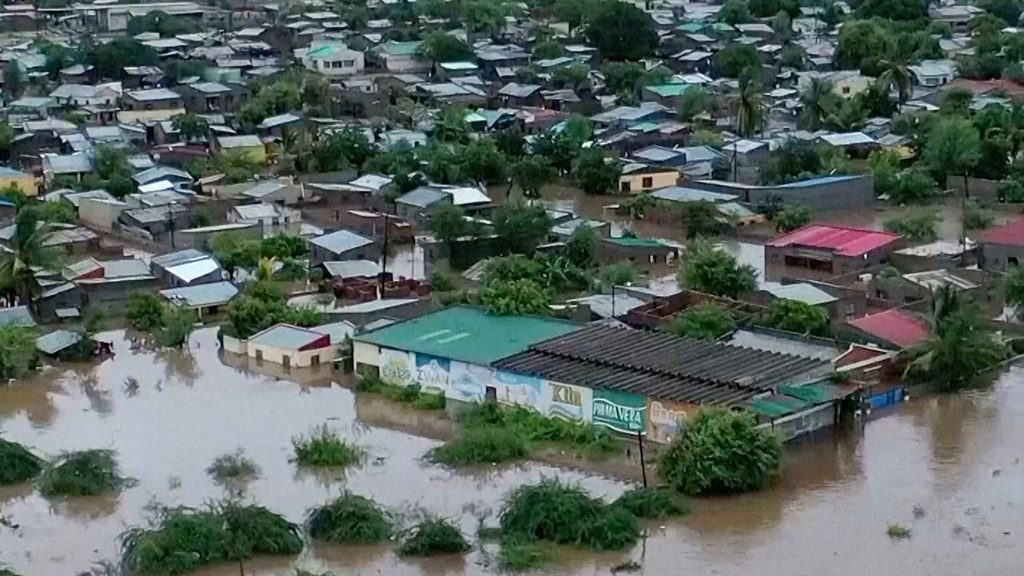
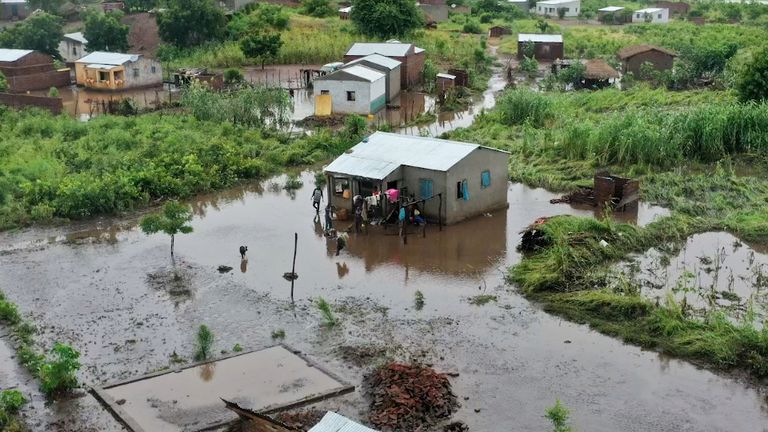
The worst impact has been felt in Mozambique, where surging waters have inundated towns, farmland and critical infrastructure, cutting off entire communities and forcing hundreds of thousands of people to flee their homes.
Mozambique: humanitarian crisis deepens
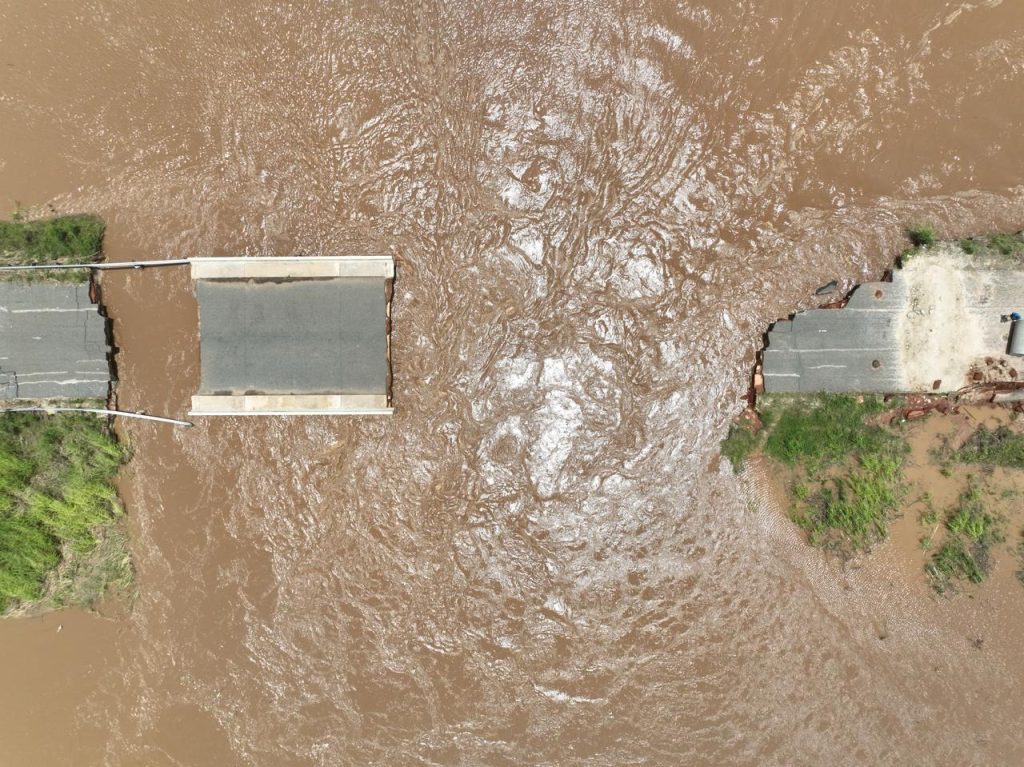
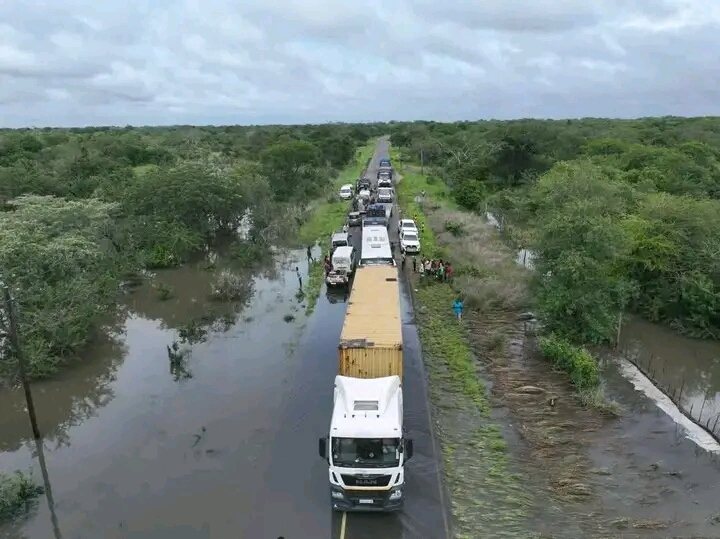
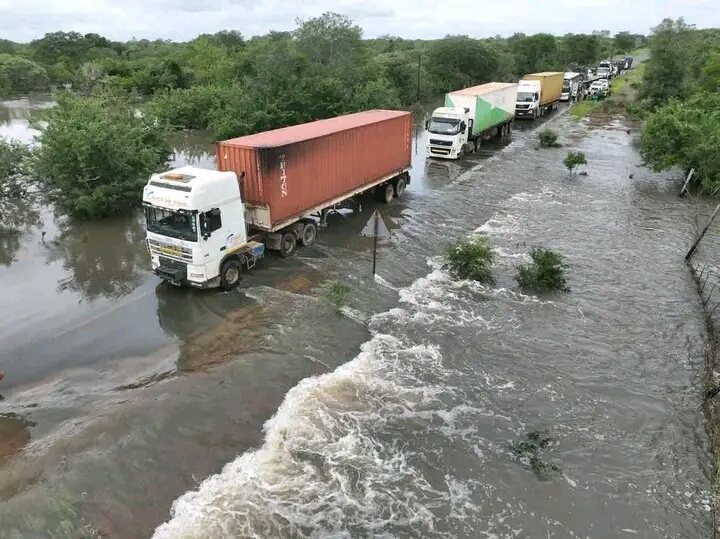
In Mozambique, the International Federation of Red Cross and Red Crescent Societies (IFRC) says more than 620,000 people have been directly affected by the floods, with at least 72,000 homes damaged or submerged. Roads, bridges, schools and health facilities have been washed away in several provinces, severely limiting access for rescue and relief teams.
Southern Gaza province, particularly the Chókwè area along the Limpopo River, has emerged as the epicentre of the disaster. Authorities report that more than 170,000 people in the province are at risk, with entire neighbourhoods submerged and families forced to escape with little warning.
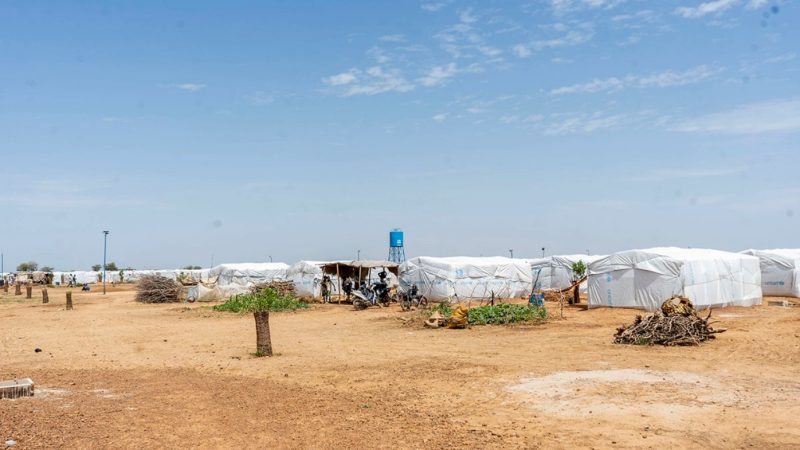
“Our home is now completely submerged,” said Celeste Maria, a hospital worker who fled Chókwè with her family to a resettlement centre. “We left behind neighbours who are now telling us they are sheltering on rooftops as the water continues to rise.”
ALSO READ: Severe Weather Disrupts Access to Kruger National Park as Flood Risks Rise
Red Cross volunteers have been using small fishing boats to reach stranded residents, but access is becoming increasingly difficult as floodwaters spread. South Africa has deployed an air force helicopter to assist with rescue operations, underscoring the regional scale of the crisis.
While full casualty figures are still being verified, officials say more than 100 deaths have been recorded in Mozambique alone, with concerns growing over the risk of cholera and other waterborne diseases as sanitation systems collapse and clean water becomes scarce.
President Daniel Chapo cancelled his planned trip to the World Economic Forum in Davos, saying the country’s “absolute priority at this moment is to save lives.” Mozambique’s National Director of Water Resources Management, Agostinho Vilanculos, has warned that current water levels are approaching those seen during the catastrophic floods of 2000, which killed around 700 people.
Despite the devastation, authorities say Maputo Port remains operational, albeit at reduced capacity, and major firms such as Sasol and Grindrod report no immediate impact on their operations.
South Africa: deaths, evacuations and infrastructure damage
In neighbouring South Africa, the same weather system has brought heavy rains to Limpopo and Mpumalanga provinces, where rising rivers and saturated ground have claimed more than 50 lives since December and destroyed hundreds of homes.
The renowned Kruger National Park was temporarily closed after flooding damaged access roads and bridges, forcing the evacuation of tourists and staff by helicopter in some areas. The park has since reopened, but officials warn that conditions remain dangerous, with several routes still impassable.
President Cyril Ramaphosa has declared a national disaster, unlocking emergency funding to support affected communities and repair damaged infrastructure. Provincial disaster management teams remain on high alert, particularly in low-lying areas near rivers and dams.
While displacement levels in South Africa are lower than in Mozambique, authorities caution that further rainfall could worsen conditions, especially in already vulnerable rural settlements.
Eswatini on high alert
Eswatini has also been hit by persistent rainfall, pushing river levels dangerously high and causing the collapse of homes, bridges and schools in parts of the country. At least 13 deaths have been reported, with the Highveld and Lubombo regions among the hardest hit.
ALSO READ: Hurricane Melissa is battering Jamaica and Cuba
Disaster management officials have urged residents in flood-prone areas along the Usuthu and Mbuluzi river systems to remain vigilant and be prepared to evacuate if conditions deteriorate. Temporary shelters and contingency plans have been activated, drawing on lessons from previous deadly floods.
Climate pressures and regional vulnerability
Humanitarian agencies and climate scientists say the flooding reflects a broader pattern of increasingly intense and unpredictable weather across southern Africa, linked to climate change. Mozambique’s extensive river basins and low-lying terrain make it especially vulnerable, but the current crisis highlights shared regional risks.





Aid agencies warn that humanitarian needs could escalate if the rains persist. Immediate priorities include emergency shelter, food assistance, clean drinking water and healthcare, particularly to prevent disease outbreaks and address growing food insecurity after crops were destroyed.
“This is no longer an isolated event,” said an aid worker in Maputo. “Flooding of this scale is becoming more frequent, more destructive, and harder for communities to recover from.”