HARARE, Zimbabwe — Zimbabwe is experiencing an unprecedented surge in digital connectivity, establishing itself as a rapidly growing player in Africa’s digital transformation.
According to the newly released 2025 ICT Access by Households and Use by Individuals Survey Report, a landmark joint study conducted by the Zimbabwe National Statistics Agency (ZIMSTAT) and the Postal and Telecommunications Regulatory Authority of Zimbabwe (POTRAZ), mobile phone ownership, internet access, and network coverage across the Southern African nation have hit historic highs.
The comprehensive survey reveals that an astonishing 96.4% of Zimbabwean households now have access to mobile phones, while 75.1% specifically own smartphones. Furthermore, home mobile network coverage has expanded to 92.5%, pushing household internet access up to 75.5%.
A key highlight of the report is the notable leap in cutting-edge technology adoption. Roughly 31% of Zimbabwean internet users report utilizing Artificial Intelligence (AI) tools. Strikingly, the vast majority of this AI usage is mission-driven rather than casual, with education and learning accounting for 91.5% of all AI applications in the country. Meta AI leads as the preferred local platform at 53.7%, followed closely by OpenAI’s ChatGPT at 29.1%.
READ MORE: Global Lithium Market Reels as Zimbabwe Imposes Export Ban
Unsurprisingly, communication remains anchored in mobile apps, with WhatsApp dominating social media usage at 92.9%, followed by Facebook (44.8%) and TikTok (38%).
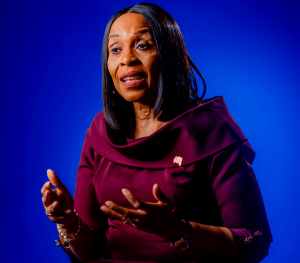
Speaking at the official launch of the report in Harare, POTRAZ Director-General Dr. Gift Machengete emphasized that the statistics represent a critical inflection point.
“This report is more than a collection of statistics. It is a roadmap for Zimbabwe’s digital future,” Dr. Machengete stated. “It provides credible evidence that will guide policy formulation, investment decisions, and the implementation of programmes aimed at accelerating digital transformation.”
Despite the aggressive upward trajectory, the ZIMSTAT-POTRAZ report highlights a stark digital divide that threatens to leave vulnerable populations behind.
READ MORE: South Africa Withdraws Draft AI Policy After Fake Citations Scandal
While mobile infrastructure spans most of the country, actual computing power is heavily bottle-necked; personal computer ownership sits at a low 11.2%. Significant socio-economic hurdles primarily the prohibitive cost of data, high device prices, and a stark deficit in digital literacy remain major friction points preventing universal participation in the digital economy.
The study points out that only 43.7% of Zimbabweans currently possess basic digital skills. Geographical disparities also loom large. The metropolitan hub of Bulawayo recorded a staggering 98% household internet access rate, whereas the more rugged terrain of Manicaland lagged behind at 61.6%, owing to logistical difficulties in network infrastructure deployment.
The shift toward a digital-first economy has naturally come at the expense of traditional systems. ZIMSTAT Director-General Tafadzwa Bandama noted that the survey explicitly outlines a sharp, ongoing decline in the use of traditional postal and courier services as citizens rapidly pivot to real-time online communication.
As Zimbabwe continues its integration into the global digital age, both regulatory and state officials acknowledge that the next phase of growth will depend heavily on deliberate intervention. Addressing the high cost of data packages and rolling out nationwide digital literacy frameworks will be paramount to converting these record-breaking numbers into inclusive, nationwide economic development.