JOHANNESBURG – South Africa’s plan to introduce a national framework for artificial intelligence has been derailed after the government withdrew its Draft National Artificial Intelligence Policy over the inclusion of fabricated references.
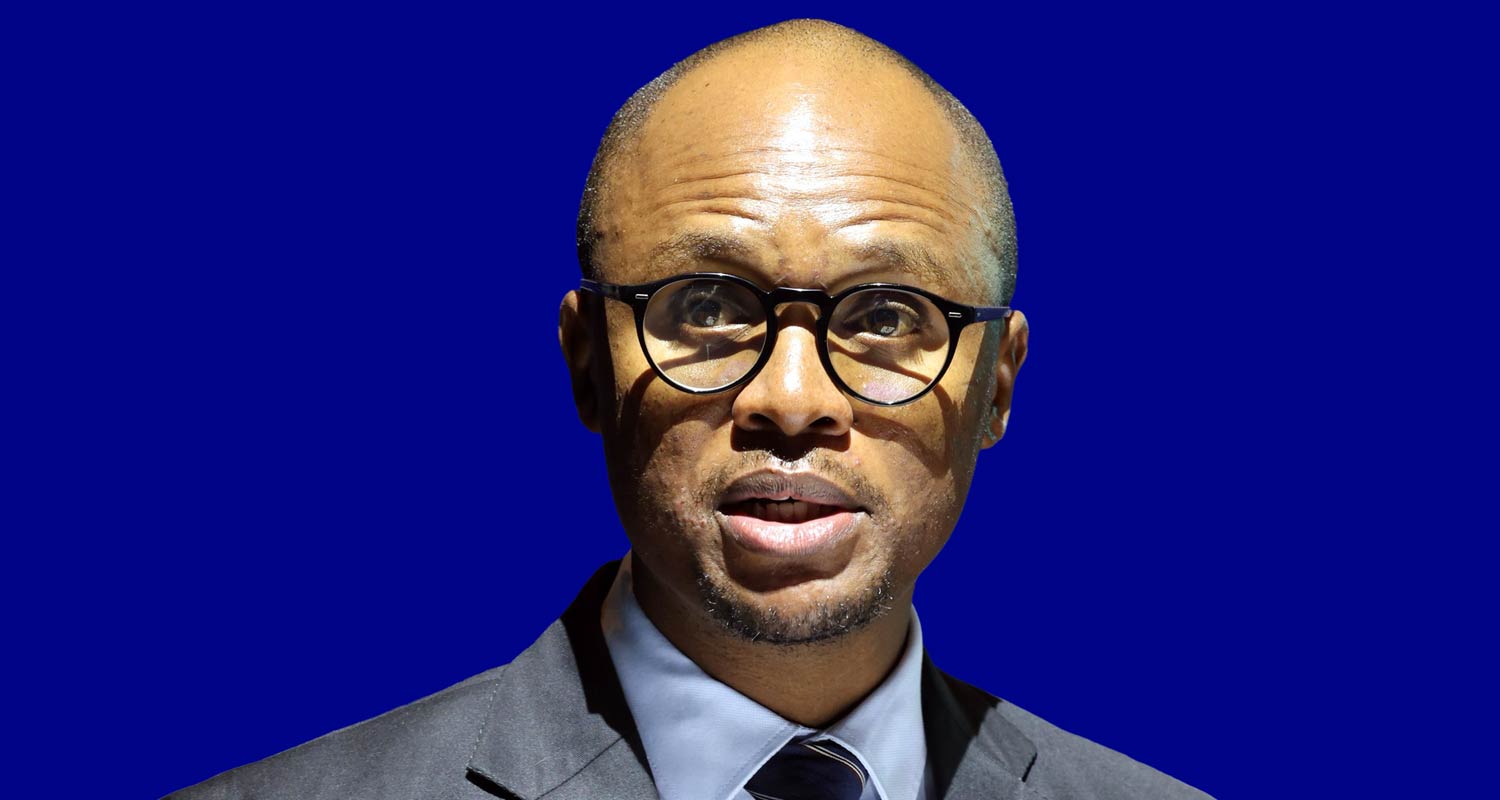
Communications and Digital Technologies Minister Solly Malatsi confirmed that the draft, which had been opened for public comment, contained “various fictitious sources” in its reference list. An internal review by the Department of Communications and Digital Technologies found that the citations were not legitimate, raising serious concerns about the integrity of the document.
“Following revelations that the Draft National Artificial Intelligence Policy published for public comment contains various fictitious sources in its reference list, we initiated internal questions which have now confirmed that this was the case,” Malatsi said.
He made it clear that the issue went beyond a simple error, adding: “This failure is not a mere technical issue but has compromised the integrity and credibility of the draft policy. As such, I am withdrawing the Draft National Artificial Intelligence Policy.”
AI misuse at the centre of the failure
Malatsi pointed to what appears to be the root cause of the problem, suggesting that artificial intelligence tools were used improperly during the drafting process.
“The most plausible explanation is that AI-generated citations were included without proper verification. This should not have happened,” he said.
The admission has intensified scrutiny on how government departments are using AI tools, particularly in high-stakes policy development processes.
ALSO READ: ECOWAS, World Bank Advance West Africa Digital Identity Integration
The now-withdrawn draft policy was intended to serve as a cornerstone of South Africa’s digital strategy. It outlined plans for governance structures such as a national AI commission and regulatory mechanisms, while also proposing measures to support innovation and investment in the sector.
The government had positioned the policy as part of a broader push to establish South Africa as a leader in artificial intelligence on the continent. That effort is now on hold as the department works to address the fallout.
Public trust and accountability
In his statement, Malatsi acknowledged that the department had fallen short of its mandate.
“South Africans deserve better. The Department of Communications and Digital Technologies did not deliver on the standard that is acceptable for an institution entrusted with the role to lead South Africa’s digital policy environment,” he said.
He also emphasised the importance of human oversight when deploying AI tools, calling the incident a critical lesson.
“In fact, this unacceptable lapse proves why vigilant human oversight over the use of artificial intelligence is critical. It’s a lesson we take with humility.”
ALSO READ: Africa’s AI Community Converges On Johannesburg As AMLD Africa 2026 Puts Applied Innovation In Focus
Malatsi added that there would be consequences for those responsible for the lapse in drafting and quality assurance.
“I want to reassure the country that we are treating this matter with the gravity it deserves. There will be consequence management for those responsible for drafting and quality assurance,” he said.
The controversy has triggered wider debate about the state’s readiness to regulate artificial intelligence, particularly when it appears to have struggled with its own internal use of the technology.
Analysts say the incident highlights a growing challenge for governments globally: balancing the efficiency gains of AI with the risks of misinformation, especially when outputs are not independently verified.
For South Africa, the immediate priority will be restoring credibility to the policy process. The withdrawal of the draft marks a reset, but it also places pressure on the department to produce a revised framework that meets both technical and public trust standards.