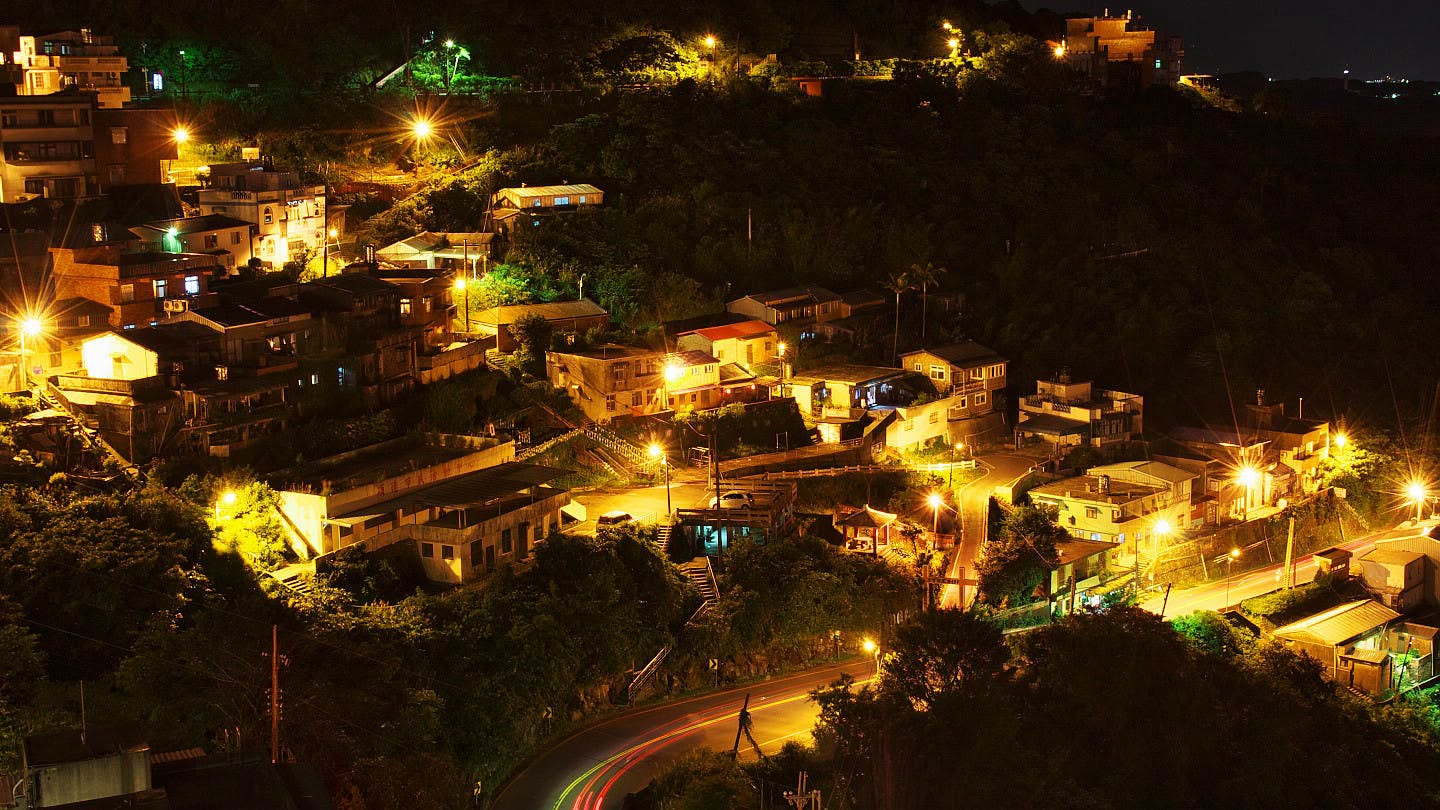
CAMPERDOWN, KwaZulu-Natal — Eskom has extended an olive branch to the Lion Park community, saying it remains open to further discussions despite a large-scale operation that disconnected nearly 2,000 households over illegal electricity connections.
The power utility began its enforcement operation on Wednesday, dismantling illegally installed transformers, poles and power lines that had supplied the informal settlement near Pietermaritzburg for several years. The move left thousands of residents without electricity and sparked protests, with angry community members blocking the MR477 with burning tyres and rubble.
Despite the tensions, Eskom says it is committed to working with local stakeholders to find a legal and sustainable solution to the community’s electricity needs.
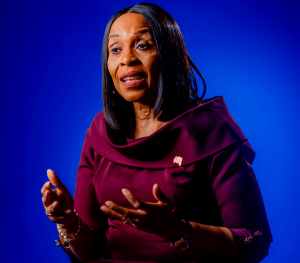
Eskom Senior Manager for Retail Dade Mbhele said the illegal network has been costing the utility more than R12 million in lost revenue every year. She said Eskom is legally required, under its distribution licence and the NRS 048 code, to remove illegal connections that endanger public safety and place additional strain on the electricity grid.
READ MORE: AfDB Escalates Efforts to Fulfill Energy Pledges
Mbhele said many residents have expressed a genuine willingness to regularise their electricity supply. She added that the community trust responsible for administering the land remains central to resolving the impasse.
According to Eskom, it proposed a temporary bulk electricity supply point on the boundary of the trust’s land about six months ago as an interim solution. However, the proposal was rejected.
The dispute has been further complicated by uncertainty over land governance, with multiple community trusts reportedly claiming authority over the area.
READ MORE: Regional Power Pools Seen as Key to Strengthening Africa’s Energy Security
Traditional leader Lindizwe Mlambo has criticised the disconnections, warning that the loss of electricity has left families vulnerable and forced many to rely on candles for lighting, increasing the risk of devastating shack fires.
Community leaders insist they have spent years trying to secure a legal electricity connection but say their efforts have repeatedly stalled because of land ownership disputes and zoning challenges.
Although the area is not yet formally zoned for residential development, Eskom says it remains willing to engage with the community, local municipality and land authorities to explore ways to overcome the regulatory obstacles.
With no immediate resolution in sight, further consultations and possible legal processes are expected as all parties seek a path towards restoring electricity to the affected households.