KAMPALA – Uganda’s investment in health infrastructure under the Uganda Intergovernmental Fiscal Transfers (UgIFT) programme is coming under renewed scrutiny, with Members of Parliament warning that newly built and upgraded facilities will have limited impact unless the government provides enough health workers, medicines, equipment and basic services such as electricity.
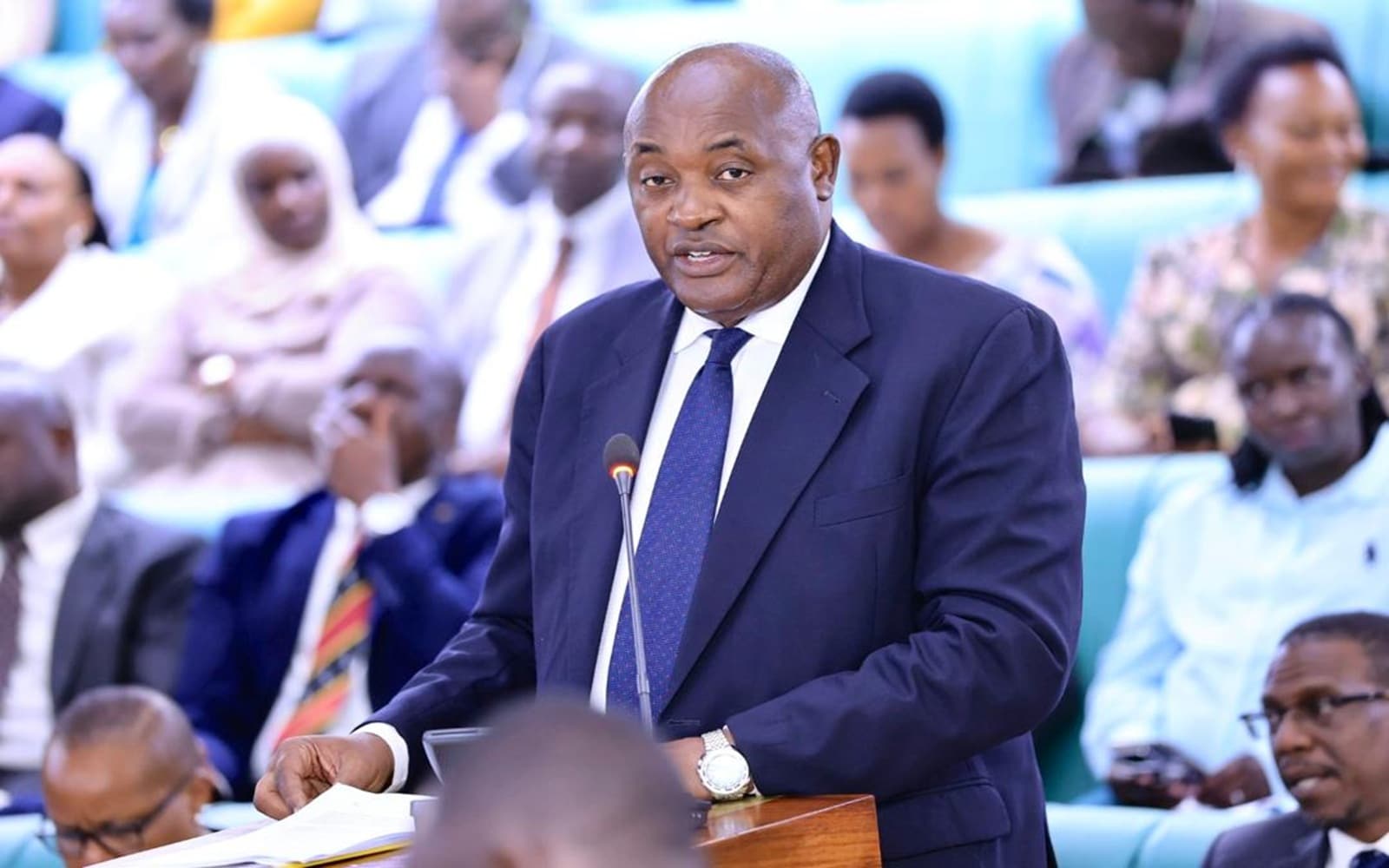
The concerns were raised in Parliament on Wednesday, September 2, as Health Minister Chris Baryomunsi presented an update on the performance of the health infrastructure component of UgIFT and outlined the proposed priorities for the next phase, known as UgIFT 2.
The debate exposed a central challenge facing Uganda’s health system: building a health facility does not necessarily mean that patients can access a fully functioning health service.
Baryomunsi told MPs that 373 Health Centre IIIs had been established through the programme, either by upgrading existing Health Centre IIs or constructing new facilities in sub-counties that previously had no health facility.
He said the investment had helped expand geographical access to primary healthcare.
“This represents a major investment in bringing health services closer to the population and addressing historical geographical inequities in access to health care.”
According to the minister, the proportion of sub-counties with access to a Health Centre III has increased from 61% to 78%.
The infrastructure expansion has been backed by substantial financing. Baryomunsi said the World Bank had provided Shs453 billion for the upgrading, construction, and equipping of health facilities, while the Ugandan government had provided Shs270 billion for the maintenance and repair of buildings and equipment.
But MPs argued that the next stage of the programme must address what happens after construction.
MPs warn of ‘empty’ health facilities
Soroti District Woman MP Anna Adeke called for an audit by the Office of the Auditor General to establish exactly how many UgIFT-supported facilities are currently non-functional and identify what is required to bring them into operation.
She also called for changes to the restrictions governing local-government recruitment, arguing that staffing gaps could undermine the investment already made in infrastructure.
“It is a contradiction to build state-of-the-art facilities while maintaining a restrictive recruitment cap on local governments.”
Adeke said some upgraded facilities were being run by severely overstretched staff, including nursing assistants and single midwives working extended shifts.
Her concerns were echoed by Kwania District Woman Representative Kenny Auma, who said some Health Centre IIs upgraded to Health Centre IIIs were still not operational because they lacked key health professionals.
ALSO READ: Uganda’s cancer crisis exposes screening gaps
“Most of these health facilities have few nurses and there are no clinical officers. Government needs to recruit more nurses, midwives and clinical officers to work on the patients at those health centres.”
The staffing problem is not new.
Uganda’s health-sector planning documents have repeatedly identified human resources as a major constraint to service delivery. A World Bank assessment has also pointed to shortages, difficulties recruiting and deploying health workers to rural areas, and challenges retaining personnel outside major urban centres.
The World Bank has previously estimated that Uganda would need significant additional numbers of skilled health workers to move towards international health workforce targets, while noting that recruitment and deployment to rural areas remain particular challenges.
Entebbe hospital highlights scale of staffing gap
The staffing crisis is not confined to remote districts.
Entebbe Municipality MP Steven Shyaka told Parliament that Entebbe Referral Hospital had only 260 staff against an estimated requirement of 1,195, while also facing shortages of medicines.
He said the situation was particularly concerning given Entebbe’s role as Uganda’s international gateway.
“Entebbe is an international gateway for our country, but when you look at the health facilities, there are few nurses to work on patients.”
Shyaka also raised concerns about inadequate office space for doctors, saying this could compromise doctor-patient confidentiality.
The example illustrates the broader problem MPs say UgIFT 2 must confront: infrastructure expansion needs to be matched by recurrent expenditure, staffing, medicines, equipment and the physical infrastructure required to operate health facilities properly.
UgIFT moves from construction to sustainability
UgIFT was launched as part of Uganda’s broader intergovernmental fiscal transfer reforms to improve the adequacy and equity of funding available to local governments for service delivery.
The World Bank approved an initial US$200 million programme in 2017 to strengthen fiscal transfers and improve local-government management of resources for health and education. In 2020, the World Bank approved an additional US$300 million, expanding the programme to include water and environment, micro-irrigation and the integration of services for refugees and host communities.
The programme was designed not simply to provide money, but to improve how resources are distributed and managed at local-government level. World Bank programme documents say UgIFT helped reverse a long-term decline in the adequacy of fiscal transfers for health and education and sought to improve the equity of allocations between districts.
There have also been tangible health-system gains in refugee-hosting districts. The World Bank says UgIFT supported the transition of 35 health facilities and 229 health workers from humanitarian management into government systems, while 48 existing health centres were rehabilitated, expanded or equipped.
But the programme’s implementation record has also highlighted the difficulty of translating capital investment into functioning services. A World Bank implementation review identified delays in construction and rehabilitation linked to contract-management challenges and the COVID-19 pandemic, among other implementation issues.
UgIFT 2 to target staffing and dilapidated facilities
Baryomunsi said the government intends to use UgIFT 2 to address some of these weaknesses.
The next phase will prioritise human resources for health, essential medicines and supplies, and the sustainability of health infrastructure.
The ministry plans to rehabilitate, expand and re-equip 100 dilapidated Health Centre IIIs, including providing staff accommodation.
It also intends to establish 50 new Health Centre IIIs and 50 Health Centre IVs in heavily populated, hard-to-reach sub-counties.
Baryomunsi said the government had already recruited 4,628 health workers during the programme period.
He further outlined a major proposed change in staffing at Health Centre IV level.
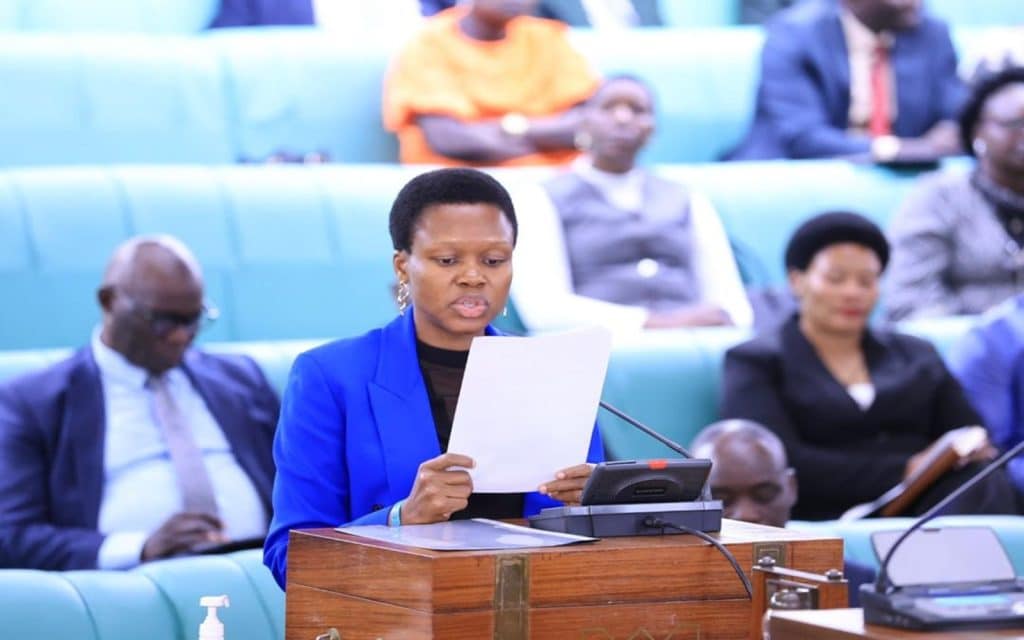
“At Health Centre IVs, we have had a staffing provision of 49 health workers. In the new structure that has been approved by government, we shall have 130 health workers, including five medical doctors.”
The minister said all Health Centre IVs would also be upgraded to community hospitals.
That proposal comes as Uganda continues to grapple with a health workforce distribution problem. The country’s Ministry of Health has identified shortages of personnel as one of the major constraints affecting reproductive, maternal and child health services, while broader health-sector planning has highlighted the need to align infrastructure, equipment and staffing.
Uganda’s National Health Ministry Strategic Plan for 2025/26 to 2029/30 similarly places improving health services, strengthening health systems and enhancing access and quality at the centre of national health policy.
The Ministry’s latest national human resources dashboard, updated on September 3, 2026, records 63,591 active health workers across 3,693 registered facilities, illustrating the scale of the workforce supporting Uganda’s health system.
MPs raise electricity and missionary facilities
Peter Okot, MP for Tochi County, added another basic but critical concern: electricity.
He said many sub-counties where UgIFT facilities had been established continued to experience poor electricity access, and urged government to make energy supply part of UgIFT 2 planning.
Without reliable electricity, health facilities can struggle to provide services that depend on refrigeration, lighting, diagnostic equipment, operating theatres and other essential infrastructure.
ALSO READ: She chose the frontline: The Ugandan doctor healing Somalia’s wounded
Joseph Ssewungu, MP for Kalungu County West, meanwhile called for greater government support for missionary and religious-founded health facilities.
He argued that such facilities supplement the public health system and should receive support through the deployment of doctors and nurses as well as access to medical supplies.
The call reflects the wider role played by non-state providers in Uganda’s health system, particularly in areas where public facilities are limited.
From buildings to functioning healthcare
The debate in Parliament comes at a critical point for UgIFT.
The World Bank’s current assessment of its Uganda portfolio says the programme has contributed to improvements in local health financing and service delivery, including the rehabilitation and expansion of facilities. In a broader assessment of health financing, the Bank says its support helped increase government financing for local health services from about US$70 million annually in 2017 to more than US$300 million in 2024, while the proportion of local governments meeting health workforce standards increased from 37% to 65%.
Those gains, however, do not eliminate the gaps MPs have identified.
The next test for UgIFT will therefore be less about how many buildings are constructed and more about whether those buildings function as dependable health facilities.
That means ensuring that a newly upgraded Health Centre III has qualified nurses and clinical officers, medicines on the shelves, functioning equipment, electricity, accommodation for staff and sufficient operating funds.
Baryomunsi told legislators that he would engage MPs during visits to their constituencies to assess health facilities on the ground.
For UgIFT 2, that constituency-level scrutiny could prove important. The programme has already demonstrated that government and development-partner financing can expand the physical footprint of Uganda’s health system. The political challenge now is ensuring that the investment translates into healthcare that patients can actually use.