The Ebola outbreak in the Democratic Republic of the Congo is continuing to claim lives at a devastating rate, with more than 3,200 confirmed deaths recorded as health authorities and international partners race to contain transmission across the country.
DRC Ebola Outbreak: Death Toll Surges as UN Warns Epidemic Remains ‘Deadly and Massive’
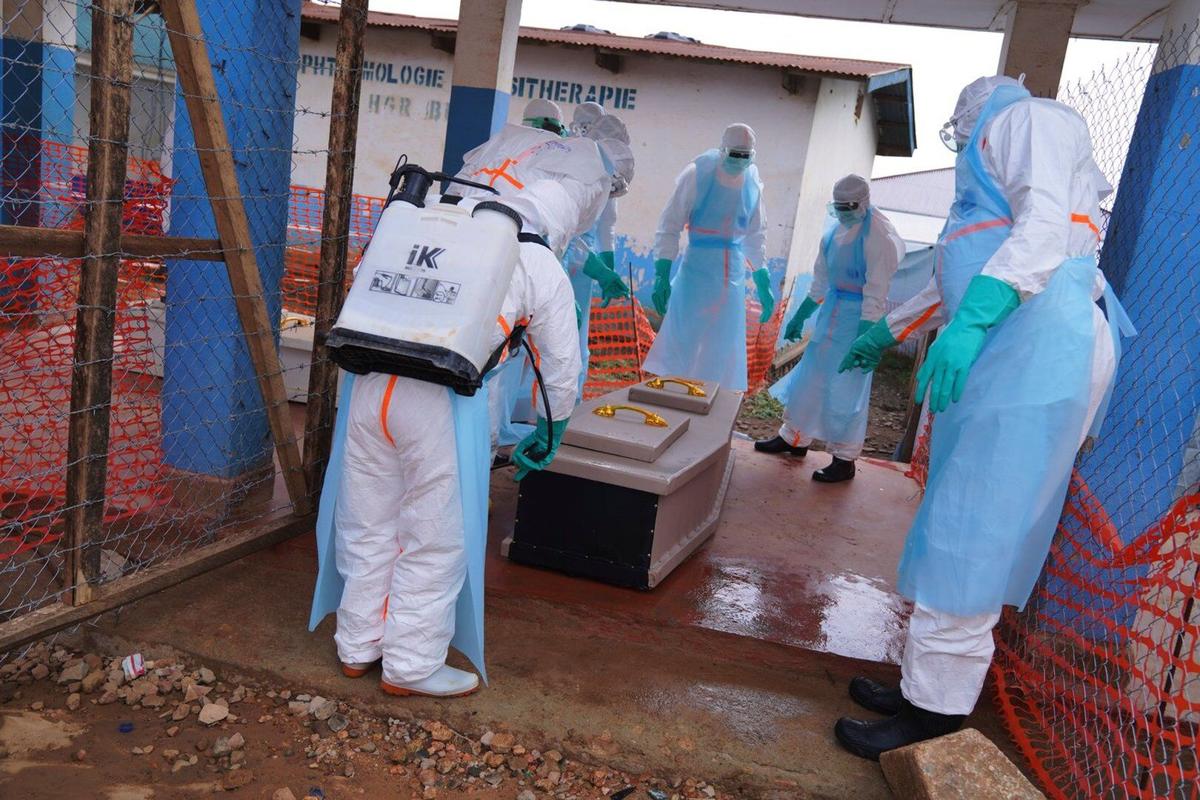
The Ebola outbreak in the Democratic Republic of the Congo is continuing to claim lives at a devastating rate, with more than 3,200 confirmed deaths recorded as health authorities and international partners race to contain transmission across the country.
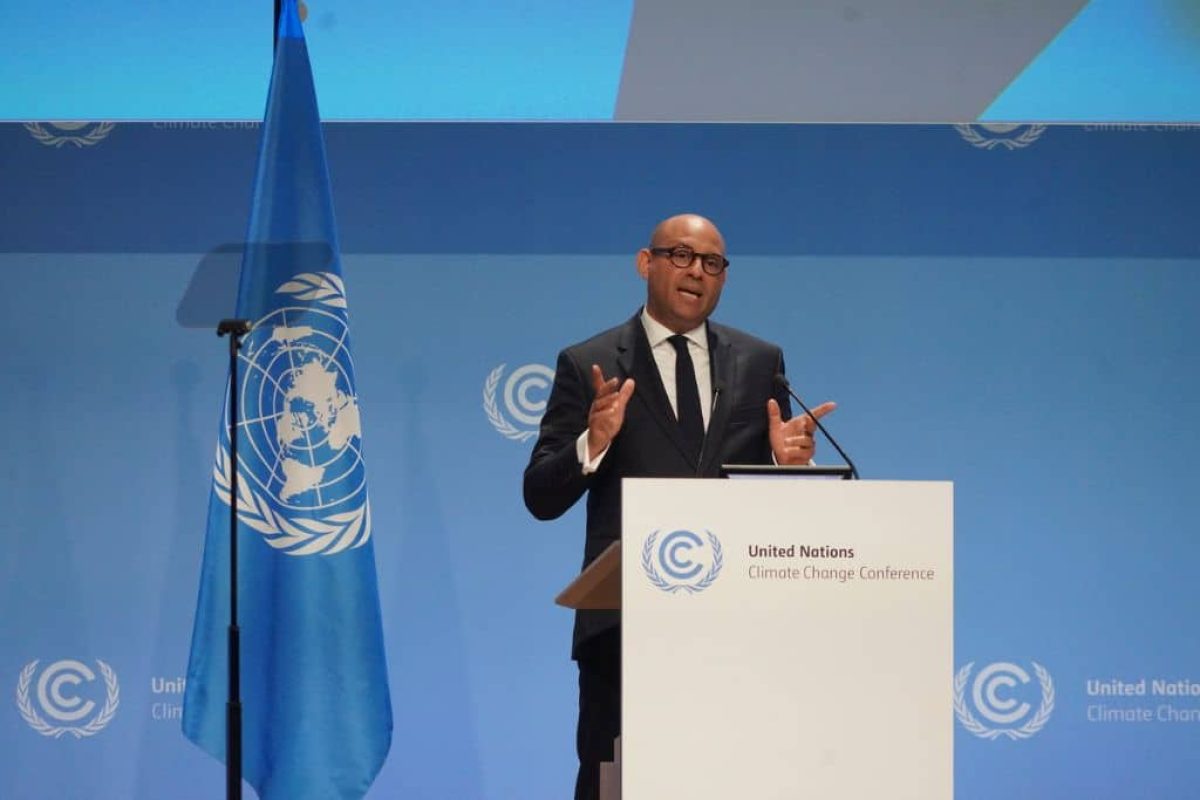
Special Ebola Coordinator Julien Harneis described the epidemic as still “deadly and massive”, saying that while progress has been made in some areas, infections continue to rise in others.
“The outbreak has spread across multiple provinces and dozens of health zones, placing enormous pressure on already stretched health systems. WHO reported that by early September the virus had reached 61 health zones across six provinces, including Bas-Uélé, Haut-Uélé, Ituri, North Kivu, South Kivu and Tshopo,” said Harneis.
As of September 7, the World Health Organisation (WHO) reported that DRC had recorded 6,757 confirmed cases of Bundibugyo virus disease and 3,267 deaths.
That represents a case-fatality ratio of 48.3% — almost one death for every two confirmed cases.
The latest figures also show how rapidly the outbreak has expanded.
Harneis has called for greater international solidarity, including additional funding and the deployment of specialised medical teams, warning that the response cannot afford to lose momentum.
ALSO READ: Zambia Begins Lenacapavir Rollout as First Doses Arrive in Lusaka
Since WHO’s previous update on 28 August, the DRC reported 963 additional confirmed cases and 481 additional deaths. WHO cautioned that some of the increase reflects stronger surveillance, improved laboratory testing and the reconciliation of previously unreported data.
It added that continued growth in cases and deaths also reflects sustained community transmission and the geographic expansion of the outbreak.
The warning comes as the United Nations steps up its response.
Yet signs suggest containment is possible. Several health zones have gone weeks without detecting a new case, while vaccination and surveillance operations continue. More than 2,000 frontline health workers in Tshopo and Bas-Uélé have also been vaccinated.
For communities still experiencing transmission, however, the threat remains immediate.
The UN and its partners are expanding surveillance, contact tracing and community engagement, particularly in areas where new infections continue to emerge.
The outbreak’s scale has already made it a landmark epidemic. WHO has described the 2026 Bundibugyo virus outbreak as the largest recorded Ebola disease outbreak in the DRC, surpassing the country’s previous largest outbreak of 2018–2020, which recorded 3,317 confirmed cases.
With thousands dead and transmission continuing in new locations, the battle is now not only about treating those infected but also about finding cases quickly, protecting health workers, tracing contacts, and preventing the virus from moving into additional communities and across borders.
For the DRC, the numbers tell a stark story: more than 3,200 confirmed deaths, thousands more infections and nearly half of confirmed patients dying. And despite encouraging pockets of progress, health authorities and the UN are warning that the outbreak is far from over.
Subscribe to Our Newsletter
Keep in touch with our news & offers
Thank you for subscribing to the newsletter.
Oops. Something went wrong. Please try again later.