A $1 billion New Development Bank loan will support reforms to water, electricity and waste services in South Africa’s eight metropolitan municipalities, with funding tied to independently verified performance targets.
South Africa’s Treasury Signs $1 Billion NDB Loan to Revive Municipal Services
PRETORIA — National Treasury has signed a $1 billion loan agreement with the New Development Bank (NDB) to support infrastructure upgrades and reforms aimed at improving water, sanitation, electricity and solid waste services across South Africa’s eight metropolitan municipalities.
The financing forms part of the government’s Metro Trading Services Reform Programme (MTSR), which is designed to strengthen the governance, financial sustainability and operational performance of municipal services.
The NDB facility is being provided alongside financing and support from the World Bank, Asian Infrastructure Investment Bank, KfW Development Bank and the French Development Agency, bringing several major development institutions into a coordinated effort to address weaknesses in metropolitan service delivery.
The $1 billion facility is structured as a performance-based loan rather than conventional unconditional sovereign lending.
Under the arrangement, disbursements will be linked to institutional reforms and measurable performance targets. These targets must be approved by the councils of the metropolitan municipalities involved and independently verified before the relevant funding can be released.
Treasury said the programme will operate through South Africa’s existing legal, fiscal and institutional framework rather than establishing parallel structures outside municipal governance systems.
The loan has a 16-year maturity and a three-year grace period before repayments begin. Its interest rate is set at the daily Secured Overnight Financing Rate (SOFR) plus 1.18508%, which Treasury described as concessional compared with market-based borrowing.
Focus on three essential services
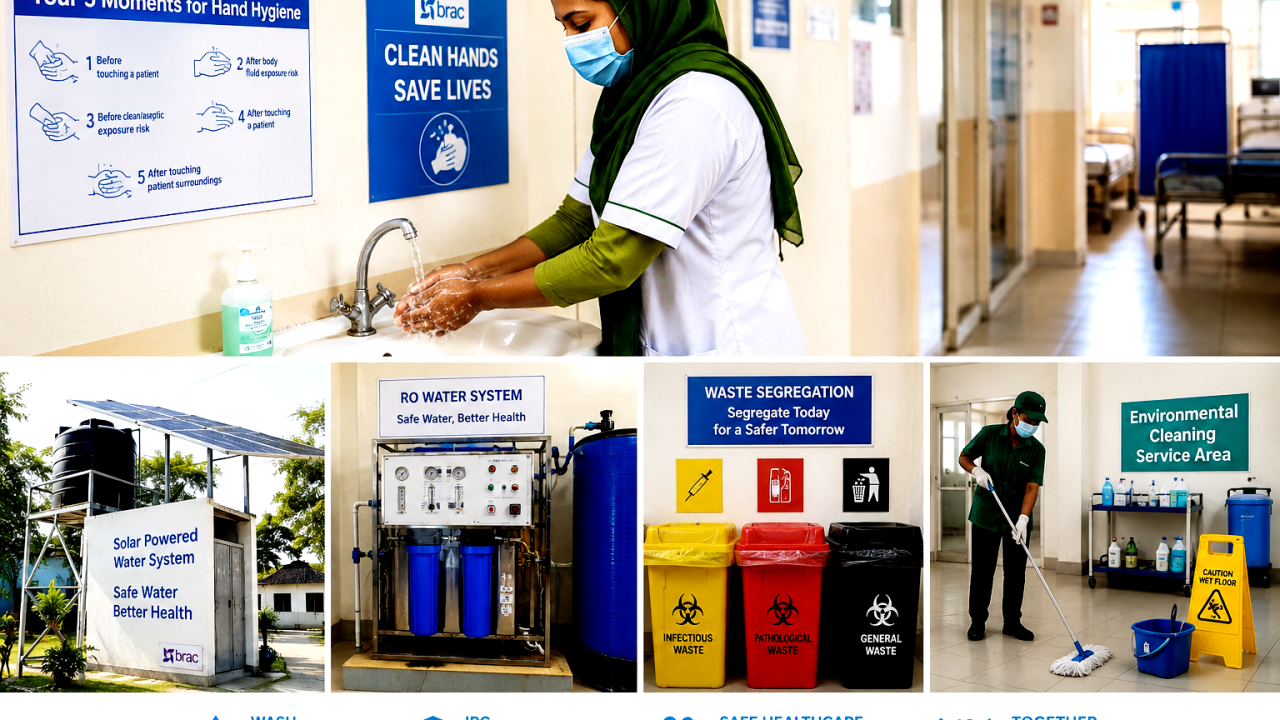
The MTSR targets three core municipal trading services: water and sanitation, electricity distribution and solid waste management.
These services are generally expected to operate on a cost-recovery basis, with municipalities using revenue from consumers to fund operations, maintenance and infrastructure investment.
That model has come under significant pressure in several metropolitan municipalities.
Ageing water networks, supply interruptions and non-revenue water losses have placed pressure on municipal finances and service reliability. Electricity distribution systems have also faced maintenance backlogs and revenue collection challenges, while some municipalities have accumulated significant debts to Eskom.
Waste management services face their own operational and financial pressures, including challenges around collection capacity, infrastructure and billing.
ALSO READ: Trump’s Tariff Threats Cast Shadow Over G20 Finance Talks in South Africa
The MTSR is therefore aimed not only at upgrading physical infrastructure, but also at addressing the institutional and financial weaknesses that affect municipalities’ ability to maintain and operate these services.
The NDB loan forms part of a broader financing partnership involving several international development institutions.
The participation of the World Bank, Asian Infrastructure Investment Bank, KfW Development Bank and the French Development Agency reflects an effort to coordinate financial and technical support around metropolitan infrastructure and service-delivery reform.
The NDB, established in 2014 by Brazil, Russia, India, China and South Africa, has also expanded its involvement in South African infrastructure since establishing its Africa Regional Centre in Johannesburg in 2017.
Its South African portfolio has included investments in sectors such as transport, water and energy.
Treasury said the latest agreement was prepared in coordination with development partners involved in South Africa’s infrastructure sector and expressed its appreciation to the NDB for supporting the reform programme.
The government said the initiative is intended to contribute to improved municipal services while strengthening the financial and operational sustainability of cities.
The test will be delivery
The significance of the facility will ultimately depend on whether the financing and reforms produce measurable improvements on the ground.
Because the loan is linked to independently verified performance targets, participating metros will have to demonstrate progress before accessing the relevant funding.
That creates a direct link between institutional reform and financing, but it also places greater responsibility on municipal councils and administrations to meet the programme’s requirements.
For residents of metropolitan municipalities, the most important measure will be whether the programme results in more reliable water and electricity services, better waste collection, improved infrastructure maintenance and financially sustainable municipal operations.
The eight metros will therefore face a dual challenge: meeting the programme’s performance conditions while using the funding to address long-standing infrastructure and service-delivery weaknesses.
The first disbursements and performance milestones will provide an early indication of whether the reform-linked financing model can translate significant multilateral funding into sustained improvements in municipal services.
Subscribe to Our Newsletter
Keep in touch with our news & offers
Thank you for subscribing to the newsletter.
Oops. Something went wrong. Please try again later.