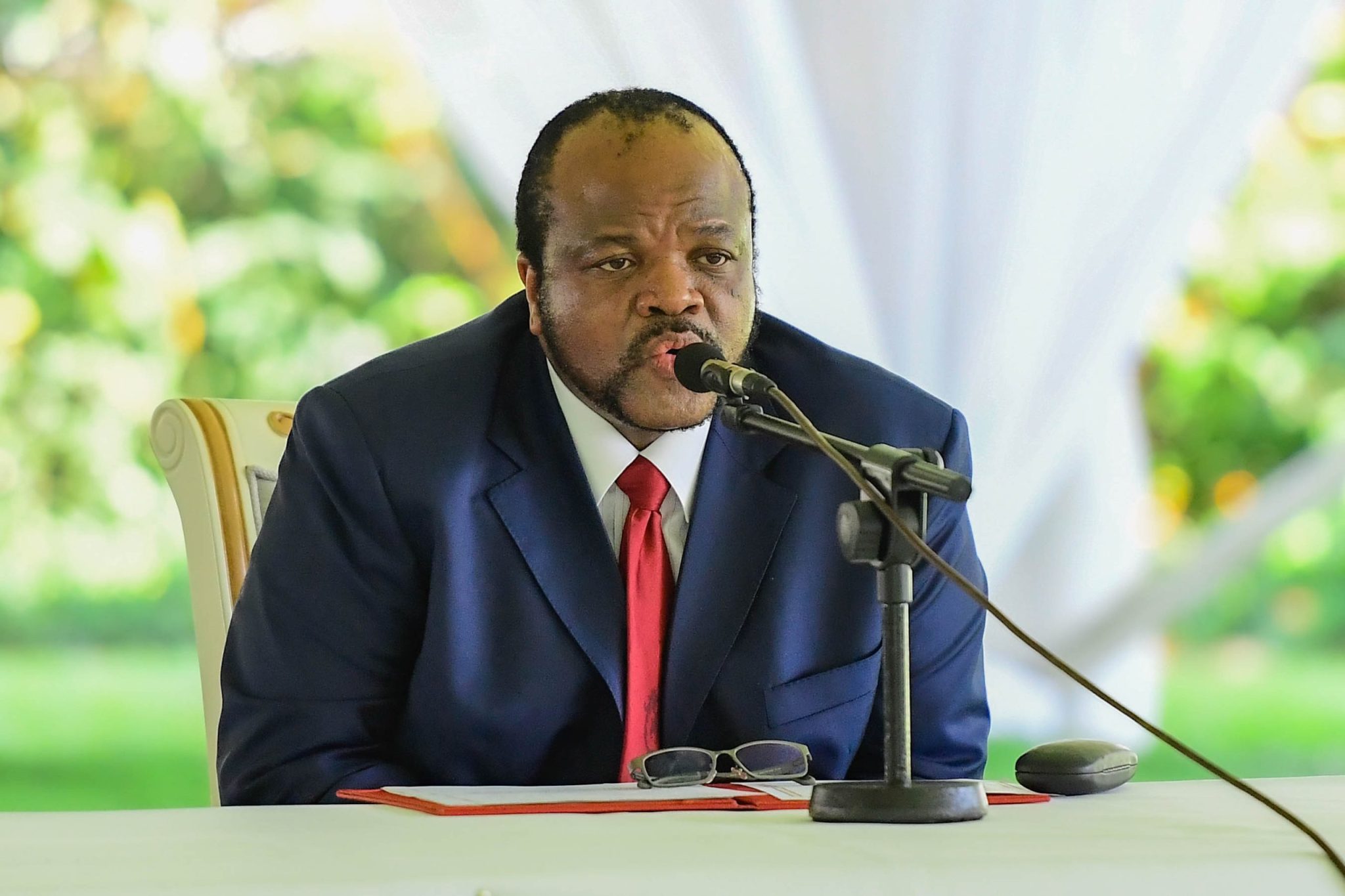
The G20, established in the aftermath of the 2008 financial crisis, was created to help the world’s biggest economies coordinate in times of global instability.
Trump’s Tariff Threats Cast Shadow Over G20 Finance Talks in South Africa
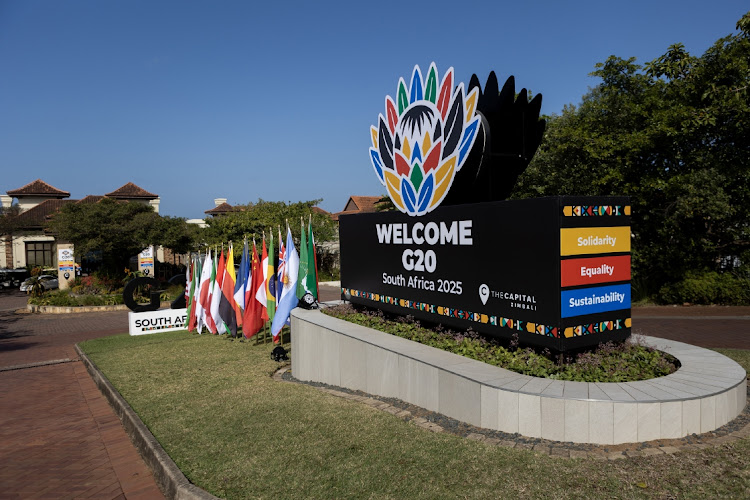
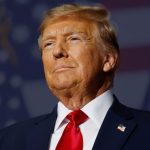
The G20 finance ministers and central bank governors meeting in Durban this week was meant to focus on rebuilding trust in multilateral cooperation. But instead, much of the attention was drawn to growing uncertainty sparked by U.S. President Donald Trump’s sweeping new tariff threats.
The G20, established in the aftermath of the 2008 financial crisis, was created to help the world’s biggest economies coordinate in times of global instability. But in Durban, that mission seemed harder than ever. Russia’s war in Ukraine, Western sanctions, and widening rifts among major powers have weakened the group’s ability to reach consensus.
South Africa, holding the G20 presidency this year under the theme “Solidarity, Equality, Sustainability,” hoped to shift the spotlight to Africa’s pressing economic challenges, such as access to affordable capital and climate change financing.In his opening remarks, Finance Minister Enoch Godongwana called for a return to bold, cooperative leadership.
“We have a critical role to play in revitalising multilateralism… The need for collective action in global challenges has never been greater.”
But growing divisions made unity elusive.
Key Absences Raise Eyebrows
The meeting was marked by several high-profile no-shows. U.S. Treasury Secretary Scott Bessent was again absent, just months before the U.S. assumes the G20 presidency. Washington was instead represented by Michael Kaplan, the acting undersecretary for international affairs.
Finance ministers from India, France, and Russia were also missing, raising fresh concerns about the group’s ability to function effectively. South African Reserve Bank Governor Lesetja Kganyago acknowledged the issue but remained optimistic.
“What matters is that somebody with a mandate sits behind the flag… all countries are represented.”
Still, the lack of top-level participation sent a signal that the G20’s role as a united voice on global finance is increasingly under strain.
READ MORE: Durban G20 Meeting Overshadowed by U.S. Absence, BRICS Tensions, and Global Economic Uncertainty
Much of the tension was driven by President Trump’s dramatic announcement of new U.S. tariffs. The White House has unveiled a 10% baseline tariff on all imports, with even steeper levies planned—50% on steel and aluminium, 25% on automobiles, and possible tariffs on pharmaceuticals. Over 20 countries face the new duties starting August 1, and Trump has hinted at a further 10% tariff targeting BRICS countries, eight of which are G20 members.
Economists warn this could disrupt global trade and deepen the economic slowdown. Joachim Nagel, head of Germany’s Bundesbank, warned, “If tariffs materialise in August, a recession in Germany in 2025 cannot be ruled out.”
Trump’s continued attacks on U.S. Federal Reserve Chair Jerome Powell also rattled officials. Nagel and others stressed the importance of central bank independence in maintaining economic stability.
A Divided Forum in a Shifting World
Despite the challenging environment, South Africa is still pushing for a final communique, a difficult task given the G20’s inability to issue one since 2024. Duncan Pieterse, Director General of South Africa’s Treasury, said the hope is to find common ground on key issues like climate finance, global debt, and sluggish growth.
Africa’s inclusion on the agenda is crucial. The continent faces mounting debt, limited investment, and growing exposure to climate risks, issues made worse by global economic shocks and inconsistent multilateral support.
READ MORE: BRICS Must Accept More Members To Become A True Catalyst For A New, Better World Order
Durban’s summit revealed a G20 at a crossroads. The group must now reckon with rising nationalism, widening geopolitical rifts, and a breakdown of the cooperation it was founded to uphold. Yet, as challenges like climate change and global inequality intensify, the need for unified action has never been clearer.
With the U.S. set to take over the G20 presidency later this year, all eyes will be on whether Washington can help rebuild the group’s credibility or drive a deeper wedge into an already divided forum.
For now, Durban offered a sobering glimpse into the fragility of global cooperation and how quickly it can unravel when national politics overshadow collective purpose.
Subscribe to Our Newsletter
Keep in touch with our news & offers
Thank you for subscribing to the newsletter.
Oops. Something went wrong. Please try again later.