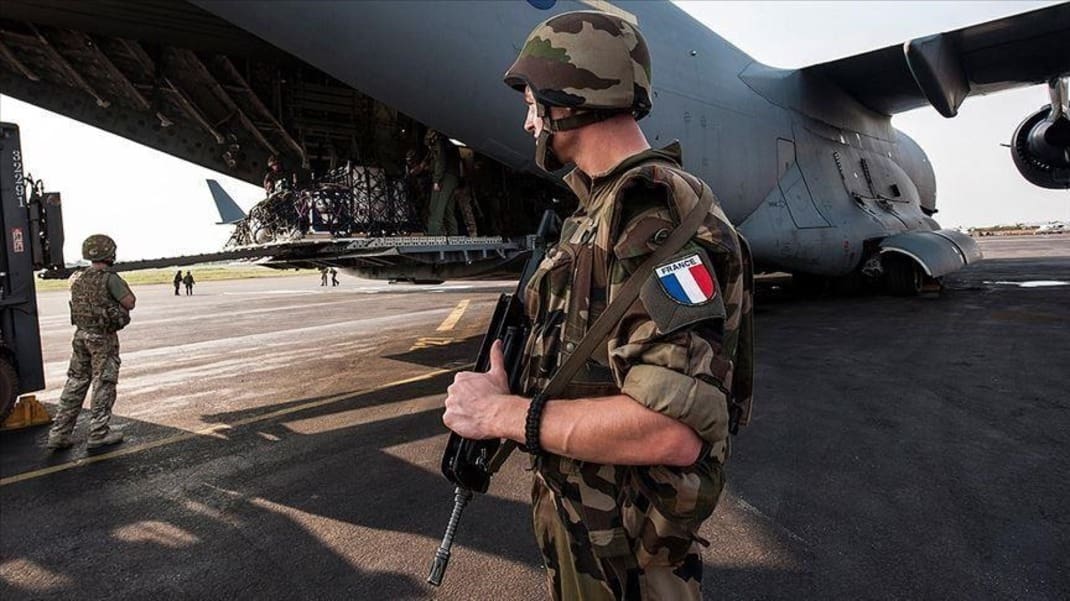
France officially handed over control of its last major military facility in Senegal on Thursday, marking the end of a centuries-old permanent troop presence in the West African nation.
The transfer of Camp Geille in Dakar symbolises a significant milestone in France’s broader strategic withdrawal from its former African strongholds and reflects evolving dynamics in Franco-African relations.
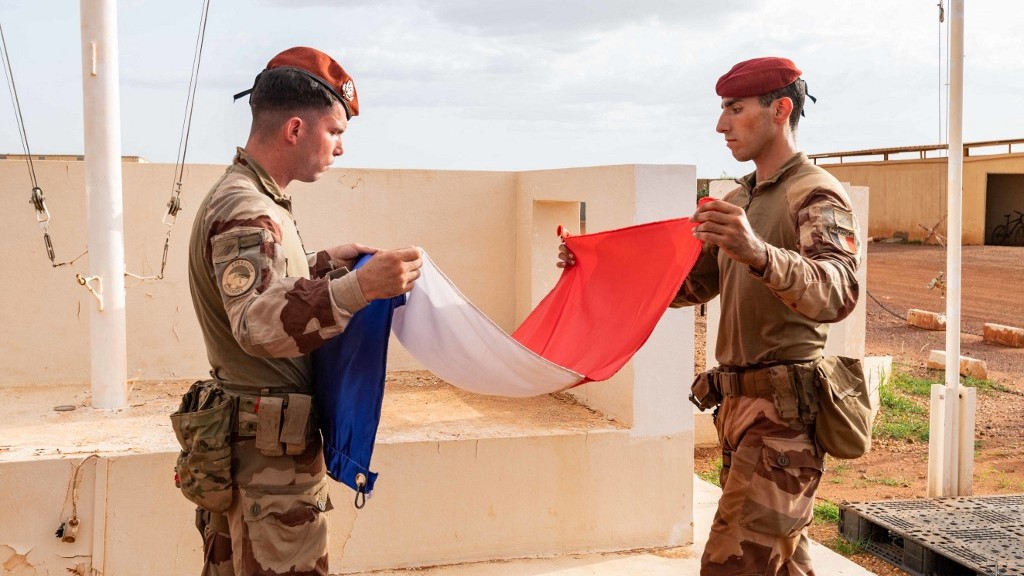
The ceremony was solemn but marked by hope and renewal. General Pascal Ianni, commander of French forces in Africa, handed over the key to Senegal’s military officials as the Senegalese flag was raised and the national anthem played by military musicians.
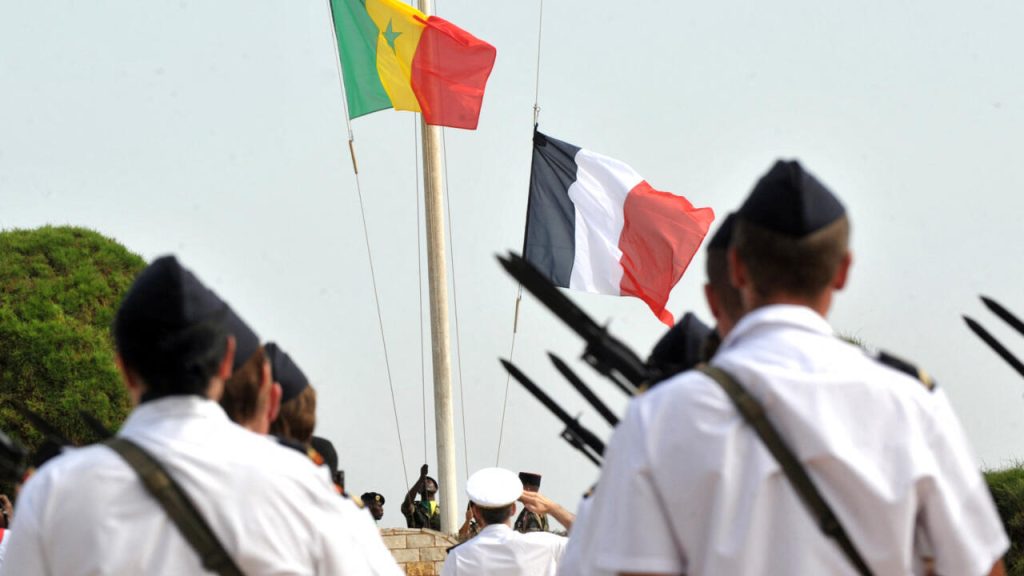
“Today’s transfer of Camp Geille marks a new stage in the evolution of the partnership between our two armed forces,” General Ianni said. “It is a response to the Senegalese authorities’ wish to no longer have permanent foreign forces present on their territory.”
Senegalese President Bassirou Diomaye Faye announced in 2024 that France’s military bases no longer aligned with Senegal’s sovereignty aspirations and must be transferred.
ALSO READ: Collaboration Sparks Change: OPTIC and ITC Propel Senegal’s Digital Innovation Forward
The handover of Camp Geille completes a phased withdrawal that began in March when France returned two other military facilities in Dakar to Senegalese control.
The French military presence in Senegal dates back more than two centuries, emerging first under colonial rule and continuing well after Senegal’s independence in 1960. As Senegal has asserted its sovereignty and democratic maturity, the sustained foreign military presence has become a source of political and public unease.
Contrast With Regional Withdrawals
France’s handover in Senegal stands in stark contrast to its forced withdrawals from Mali, Burkina Faso, and Niger. In those countries, military juntas ousted French troops amid deteriorating security and political tensions, often turning instead to Russian mercenaries for support against Islamist insurgencies sweeping the Sahel.
Similarly, Chad terminated its defence cooperation agreement with France last year, abruptly ending a decades-long partnership and expelling French forces. These events reflect a rising wave of assertiveness among African states wary of a continued French military footprint on their soil—a legacy of colonialism that increasingly conflicts with contemporary national identities and geopolitical alignments.
Yet Senegal’s departure has been notably amicable, characterised by diplomatic coordination and mutual respect. Senegal’s military chief, General Mbaye Cisse, expressed optimism, “This new agreement allows us to continue benefiting from French training and intelligence sharing,” he said, signalling that cooperation would endure in a revised, less intrusive form.

While the permanent presence of French troops ends, France has emphasised its ongoing commitment to West and Central Africa through advisory roles, capacity-building, and rapid response assistance when requested.
French officials indicate a strategic shift away from large-scale bases toward intelligence collaboration and training support tailored to host nations’ sovereignty and needs.
ALSO READ: ECOWAS 50 Years: A Deeper Battle Against Money Laundering Demands Continental Urgency
General Ianni observed that evolving security challenges and political realities demand reinvented partnerships based on equal footing rather than lingering colonial power dynamics.
“We respect Senegal’s sovereign decision,” he said. “Our role now is to be a strategic partner reinforcing stability through cooperation, not occupation.”
Addressing Historical Grievances
The handover also opens space for confronting historical legacies that have strained Franco-Senegalese ties. Senegal has long demanded a full investigation into the 1944 Thiaroye massacre of African soldiers who fought for France during World War II but were killed in a brutal suppression when they protested poor treatment and broken promises.
Public memory of such events has underscored calls in Senegal and elsewhere in Africa for transparency, justice, and a redefinition of post-colonial relationships with former colonial powers like France.
France’s military exit from Senegal arrives amid a broader recalibration of global influence in Africa. As China, Russia, the United States, and other actors expand their footprint, the end of France’s traditional military dominance signals a new geopolitical chapter.
For Senegal, the move affirms its agency and political maturity while maintaining pragmatic ties with a major military partner on more balanced terms. For France, it is a strategic concession that acknowledges changing times while preserving influence through partnerships rather than bases.
Senegal’s leadership stresses continuity alongside sovereignty. “We wish all our comrades and their families a safe return to France,” General Cisse said, hopeful that the country’s deep historical and cultural links with France will evolve into an equitable and respectful alliance.
As France closes the door on permanent troops in Senegal, the future beckons for a partnership defined less by footprints on foreign soil and more by mutual respect, shared security interests, and Africa’s regional aspirations.