Moyale Hospital, which serves more than three million people near the Ethiopia-Kenya border, has received water, sanitation, waste-management and laundry upgrades designed to strengthen infection prevention and outbreak preparedness.
MOYALE, Kenya – A hospital serving more than three million people along the Ethiopia-Kenya border has received infrastructure upgrades aimed at improving infection prevention, hygiene and preparedness for public health emergencies.
Moyale Hospital, a designated health facility at a Point of Entry, provides routine healthcare to communities on both sides of the border while also playing a role in detecting and responding to health threats that can move across the two countries.
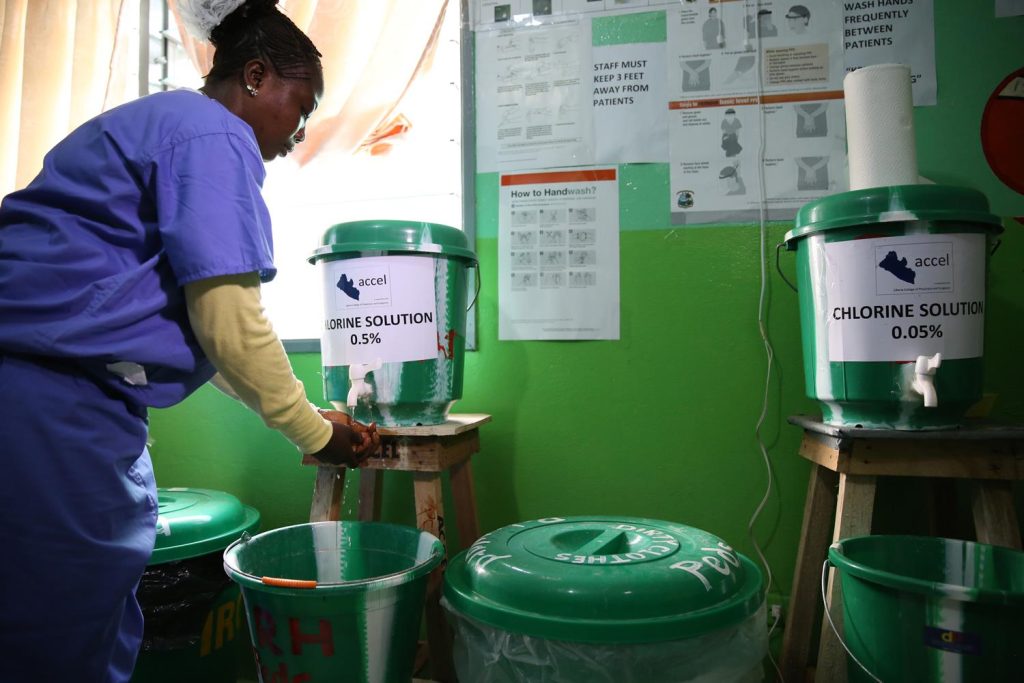
But recurring water shortages, inadequate sanitation and handwashing facilities, and weaknesses in healthcare waste management had made it difficult for the hospital to maintain basic infection-control standards.
The improvements were funded by the Government of Japan through the Japan Supplementary Budget (JSB) Fund, with about US$42,000 coordinated through the World Health Organization (WHO) Ethiopia office.
Water and sanitation systems upgraded
The project focused on practical improvements designed to strengthen everyday infection prevention at the hospital.
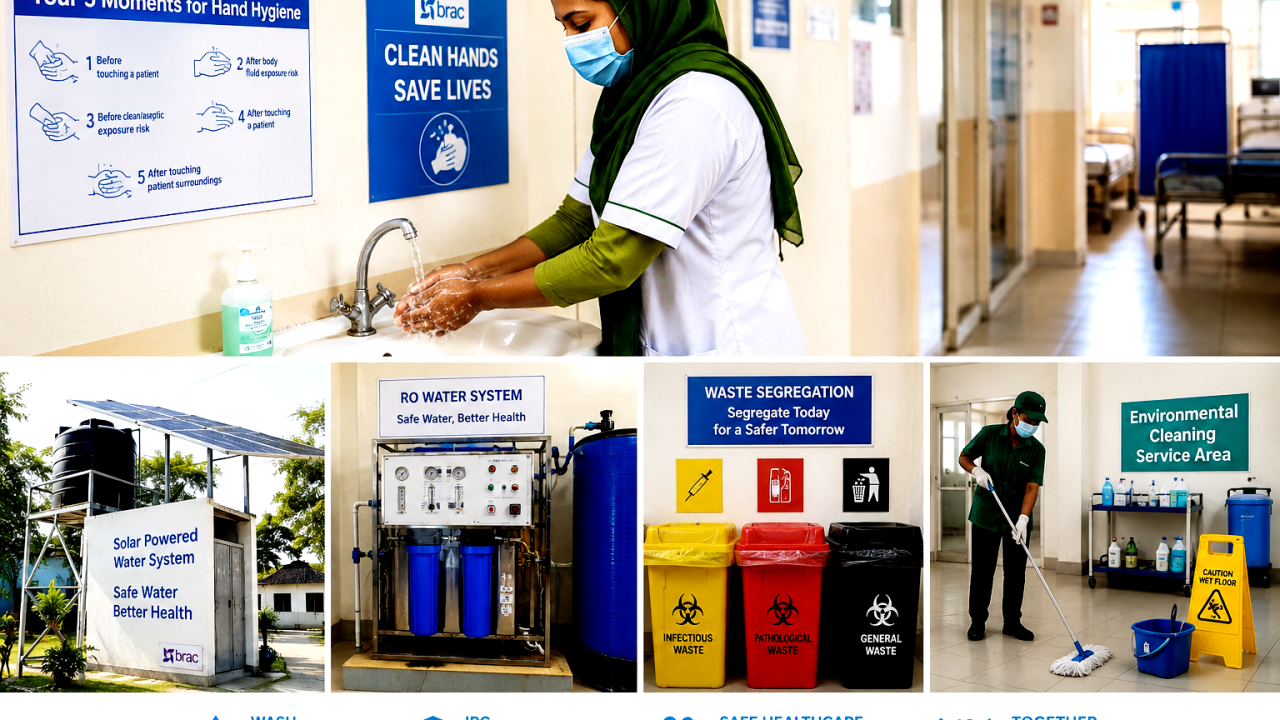
Two staff toilet blocks were rehabilitated, while damaged water pipelines running across the hospital compound were repaired to improve the reliability of water supplies to clinical and patient-care areas.
New handwashing stations were also installed and existing sanitation facilities upgraded, giving healthcare workers and patients better access to facilities needed for effective hand hygiene.
Healthcare waste management was another focus.
ALSO READ: She Chose the Frontline: The Ugandan Doctor Healing Somalia’s Wounded
The hospital’s incinerator was rehabilitated and a new ash pit constructed, allowing infectious waste to be disposed of more safely and supporting infection prevention and control standards.
A new laundry facility with eight washing compartments was also built near the patient wards.
The facility provides caregivers, many of whom spend days at the hospital supporting sick relatives, with access to water and a dedicated space to wash clothes and bedding.
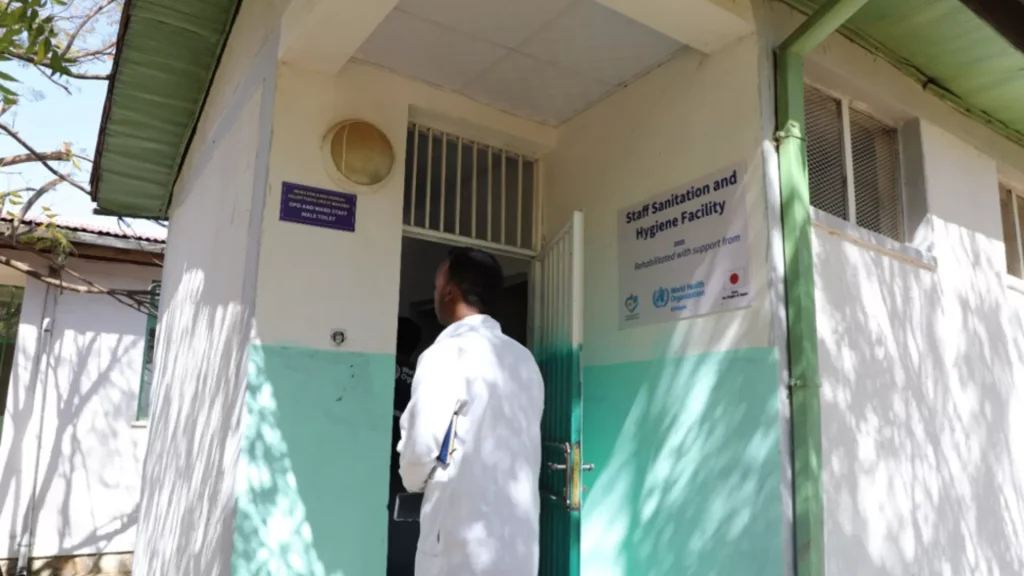
For families staying with patients, the addition addresses a basic need that had previously been difficult to meet within the hospital environment.
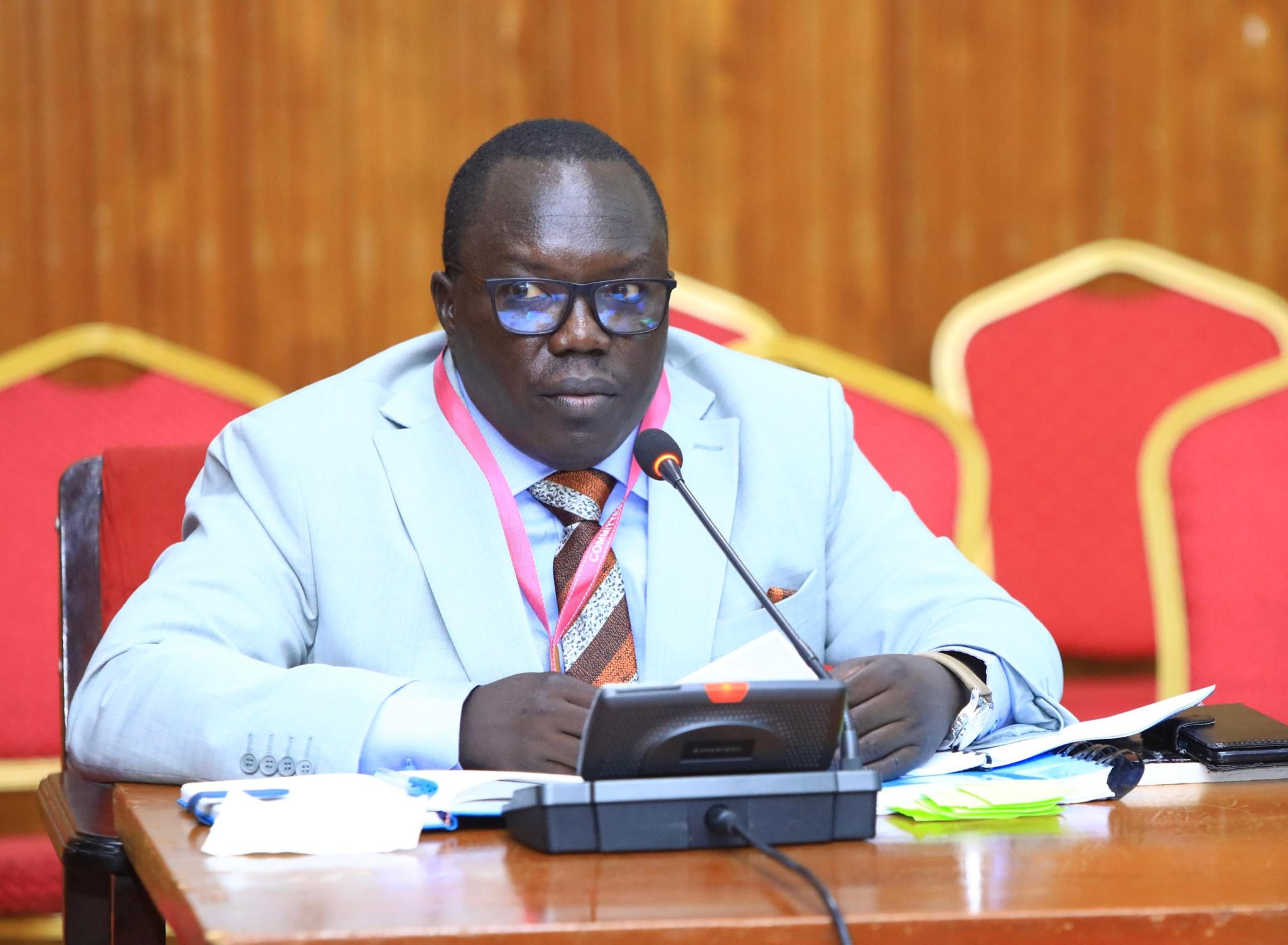
At the handover ceremony, Innocent Komakech, WHO Hub Coordinator representing the WHO Ethiopia Representative, said access to clean water, sanitation, hand hygiene and safe healthcare waste management was essential to both quality care and the safety of healthcare workers and communities.
He said these measures can help reduce healthcare-associated infections, protect patients and staff, and improve facilities’ readiness to respond to disease outbreaks and other public health emergencies.
Moyale Hospital Medical Director Dr Girma Hussen welcomed the upgrades, saying water interruptions, sanitation problems and difficulties with waste disposal had affected patient care and staff safety for several years.
He thanked WHO and the Government of Japan for addressing the hospital’s priority needs, while pointing to the need for further investment in isolation facilities and broader preparedness for emerging infectious diseases.
The additional needs highlight that while the project strengthens the hospital’s basic infection-control infrastructure, further work is required to address its wider emergency preparedness capacity.
Representatives of the Oromia Regional Health Bureau and local authorities also recognised hospital management and staff for continuing to provide services despite the infrastructure challenges.
Why border health facilities matter
Moyale’s location gives the hospital significance beyond its immediate catchment area.
As a Point of Entry facility, it forms part of the health infrastructure responsible for monitoring and responding to potential public health threats associated with cross-border movement.
ALSO READ: Zambia Begins Lenacapavir Rollout as First Doses Arrive in Lusaka
Strong infection prevention systems at such facilities can therefore contribute to the early detection and containment of diseases before they spread further.
Conversely, weaknesses in water supply, sanitation, hand hygiene and healthcare waste management can make it more difficult for healthcare workers to maintain safe conditions during periods of increased disease transmission.
The Moyale project forms part of WHO’s broader cooperation with the Government of Ethiopia and regional and local health authorities, supported through Japan’s JSB Fund.
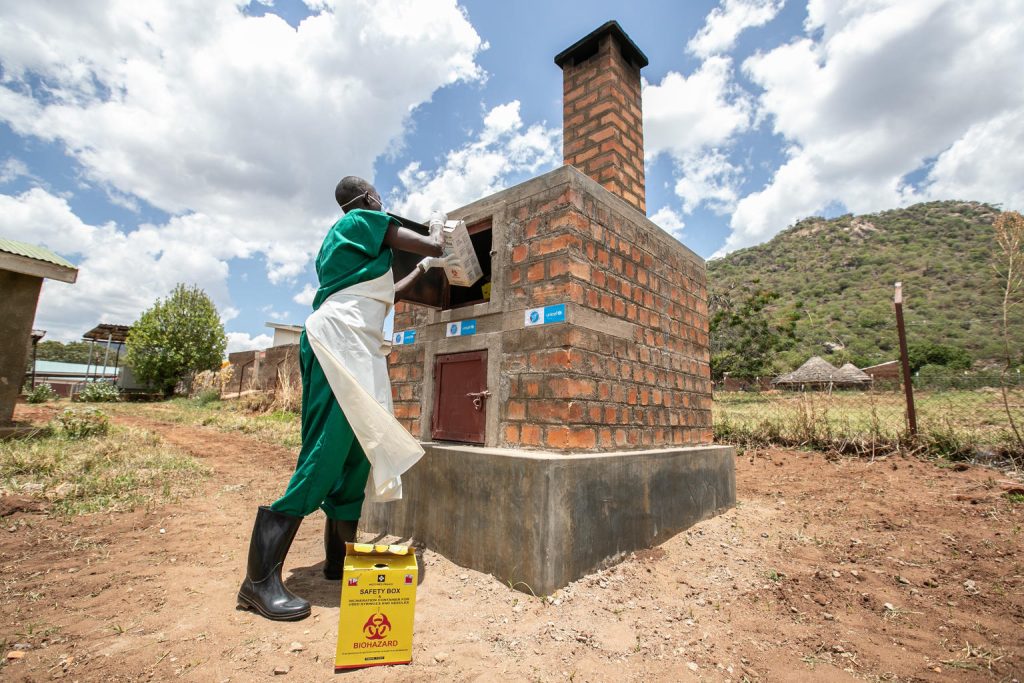
The programme aims to strengthen health systems and outbreak preparedness, with similar interventions being implemented in other parts of the country.
For Moyale Hospital, the upgrades represent more than improvements to buildings and equipment.
They affect the everyday experience of healthcare workers, patients and the caregivers who often remain at the facility while their relatives receive treatment.
The new laundry is one example.
During the handover, an elderly grandmother caring for her hospitalised grandchild was observed washing clothes at the new laundry block, using a facility specifically designed for a task that previously had no appropriate space.
It is a small but practical change, reflecting the broader purpose of the project: creating a hospital environment where basic hygiene can be maintained more safely and with greater dignity while strengthening the facility’s ability to respond to public health threats.