As Sudanese refugees continue to arrive in eastern Chad, shrinking humanitarian funding is leaving families in Ouré-Cassoni with less food, limited water, inadequate shelter and increasingly difficult access to healthcare.
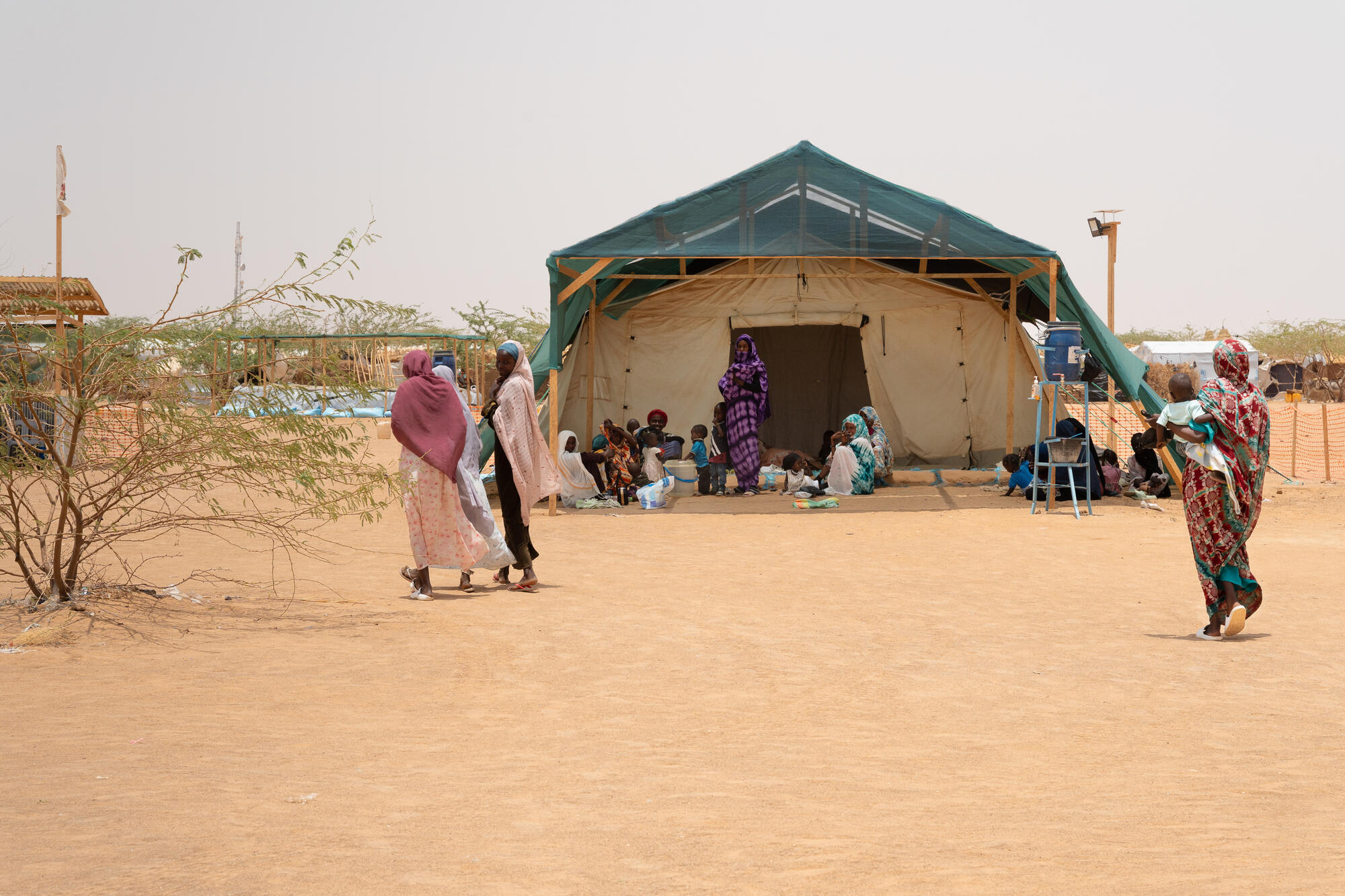
GENEVA, Switzerland – More than 117,000 Sudanese refugees living in Chad’s remote Ouré-Cassoni camp are facing worsening humanitarian conditions as new arrivals continue to cross the border while funding for essential assistance declines.
Médecins Sans Frontières (MSF) says the growing gap between humanitarian needs and available resources is being felt in some of the most basic aspects of daily life, including food, clean water, shelter and healthcare.
The medical organisation is calling on donors and humanitarian agencies to make Ouré-Cassoni a priority in Chad’s response to the continuing refugee crisis.
The warning comes against the backdrop of one of Africa’s largest displacement crises. Since the war in Sudan began in April 2023, more than 940,000 Sudanese refugees have crossed into Chad, according to UNHCR figures from August. Most have been registered or pre-registered, with significant numbers settled in the provinces of Ouaddaï, Wadi Fira, Sila and Ennedi Est.
Chad was hosting about 2.28 million forcibly displaced people by the end of July 2026, including roughly 1.56 million refugees and asylum seekers.
The scale of the crisis is placing enormous pressure on a country that was already facing substantial humanitarian needs.
A camp that keeps growing
Ouré-Cassoni is situated in Ennedi-Est in north-eastern Chad, close to the Sudanese border. Its remote location makes the delivery of humanitarian assistance particularly difficult.
MSF says the camp has experienced successive waves of arrivals since the outbreak of the Sudan war.
More than 60,000 people reportedly arrived in May 2025 after the fall of Zamzam camp in North Darfur. Following the takeover of El-Fasher, another 21,000 people were registered at Ouré-Cassoni between October 2025 and August 2026.
New arrivals are still being recorded.
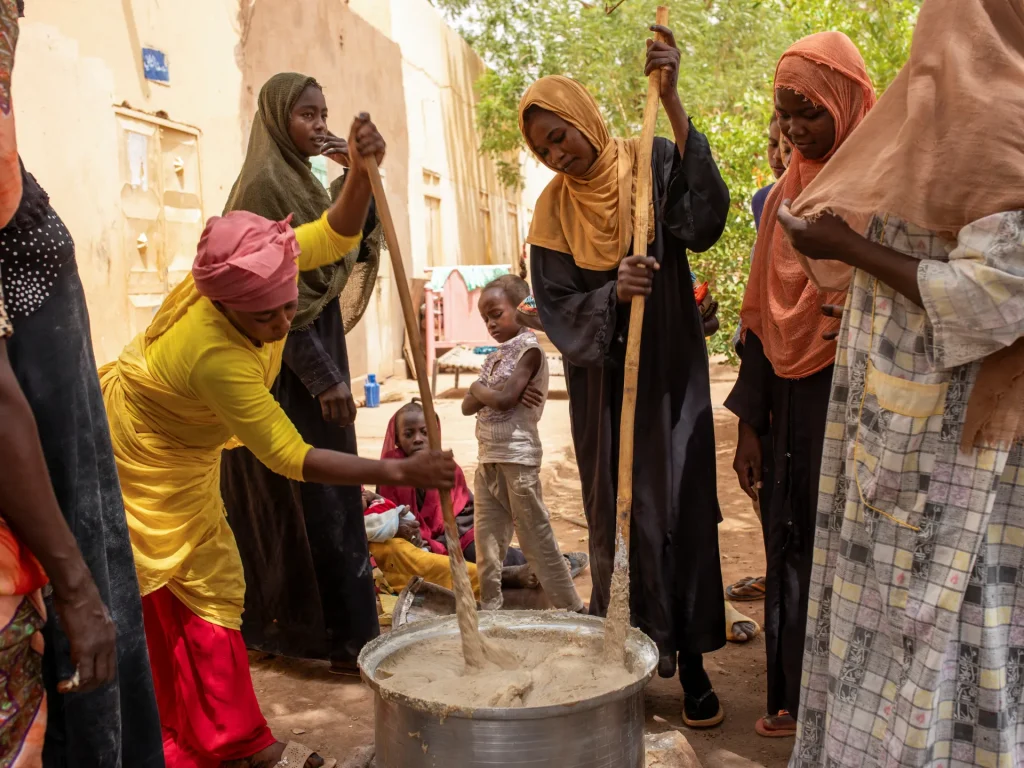
Sadia, who fled Sudan with her family and now works as an MSF health promoter in the camp, knows the crisis from both sides of the humanitarian response.
“I arrived here as a refugee and today I work with other refugees,” she said. “I know what it means to wonder what tomorrow will bring.”
Her experience reflects a broader reality in the camp: the people requiring assistance are growing in number while the resources available to support them are moving in the opposite direction.
Food cuts are showing up in children’s health
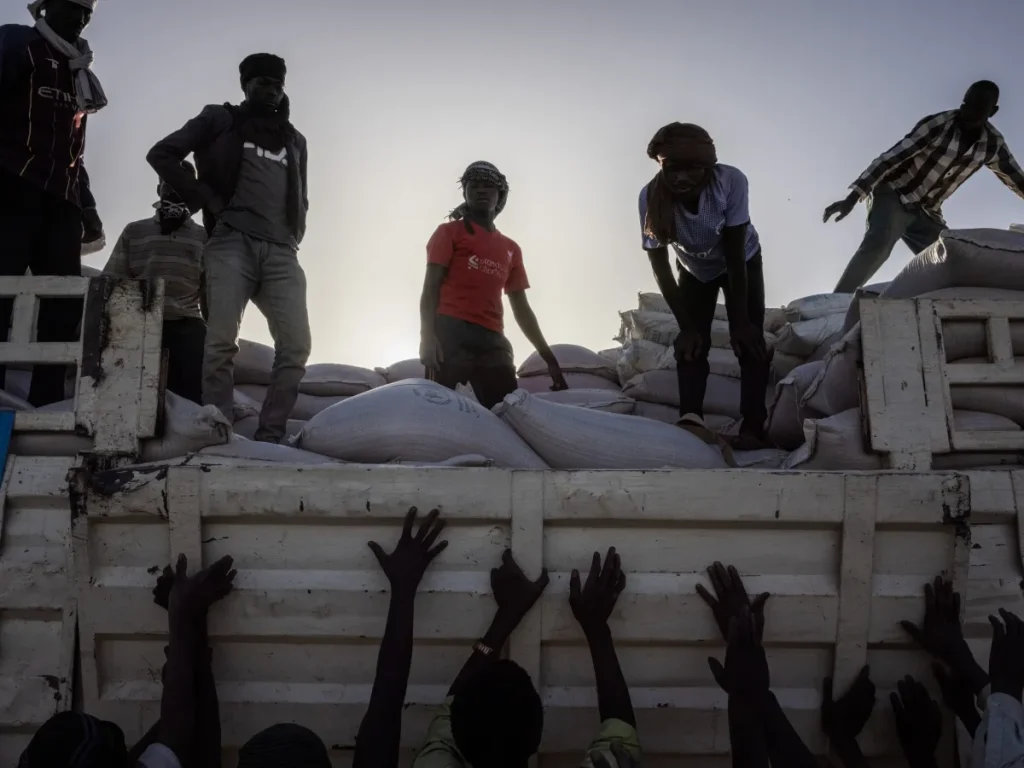
For families in Ouré-Cassoni, reductions in food assistance are not an abstract consequence of donor decisions.
They affect what parents can put on the table.
Salwa, a mother living in the camp, said families are increasingly struggling to feed their children.
“There are times when we do not know what we will feed our children the next day,” she said. “When distributions are reduced, we have to make do with very little.”
MSF says the deterioration is also visible in nutritional screenings.
ALSO READ: Four African states running out of special food for starving children, aid group says
Between 2025 and 2026, the proportion of children screened with severe acute malnutrition increased from 2.2% to 3.4%, while moderate acute malnutrition rose from 10% to 13%.
The figures are particularly concerning because malnutrition can increase children’s vulnerability to infectious diseases and other health complications.
The broader food-security crisis affecting Sudanese refugees in Chad has already drawn warnings from UN agencies.
In April, UNHCR and the World Food Programme said more than one million Sudanese refugees in Chad faced the prospect of major reductions in food, water, shelter, protection and healthcare unless a US$428 million funding shortfall was addressed.
The warning came as the Sudan conflict approached its third year.
Water rationing adds another layer of risk
Food is not the only basic necessity becoming scarce.
MSF says people in Ouré-Cassoni currently have access to about two litres of water per person per day, well below the 15 to 20 litres generally recommended for emergency settings.
Getting even that limited supply to residents involves pumping water from Lake Karyari, treating and testing it before transporting it around the sprawling camp.
The consequences of inadequate water supplies are already appearing in health consultations.
In July, more than 14% of consultations conducted by MSF in the camp involved non-bloody diarrhoea.
MSF project coordinator Joshua Ayuba Mpato said the link between funding and basic services was becoming increasingly difficult to ignore.
“When we talk about humanitarian funding, we also need to think about very concrete needs: keeping pumps running, treating water and making sure it reaches families in sufficient quantities and on a regular basis.”
He said access to safe water should not be treated as an optional service.
“For people living in Ouré-Cassoni, access to safe water in sufficient quantities is not a luxury: it is a basic necessity for their health and dignity.”
Shelter and healthcare under pressure
Shelter is another major concern.
Thousands of families are reportedly constructing makeshift homes using whatever materials they can obtain, leaving many with limited protection from the elements.
MSF says respiratory infections account for more than 30% of its consultations across different parts of the camp and among all age groups.
Healthcare access is also constrained.
Ouré-Cassoni has only one health centre, according to MSF, while specialist services are not directly available inside the camp. Patients requiring specialised treatment must be referred elsewhere, with financial support generally limited to critical cases.
The situation creates another layer of vulnerability for people who have already travelled hundreds of kilometres to escape war.
Women face additional risks
The humanitarian crisis also has a gendered dimension.
When food, water and other basic supplies become scarce, women and girls can be forced to travel outside the camp to collect water and firewood.
MSF says that increases their exposure to violence.
ALSO READ: Sudan Marks 1,000 Days of War: World’s Worst Hunger and Displacement Crises Rage On
Between January and July 2026, its teams provided care to 91 victims and survivors of sexual violence in Ouré-Cassoni.
MSF cautioned that it cannot determine how much of that violence occurred in Chad after refugees crossed the border. However, the organisation says leaving the camp in search of essential resources exposes women and girls to additional risks.
This makes the funding crisis about more than material shortages. It is also becoming a protection issue.
The wider funding crisis
The situation in Ouré-Cassoni reflects a broader problem facing humanitarian operations in Chad.
UNHCR warned in April that funding shortages were already threatening essential services for Sudanese refugees, with health, food, water, shelter and protection programmes facing reductions.
The consequences have been visible elsewhere in eastern Chad. UNHCR reported in 2025 that severe funding shortages had forced humanitarian agencies to close or scale back health, education and protection programmes for refugees. Some reproductive health services were among those affected.
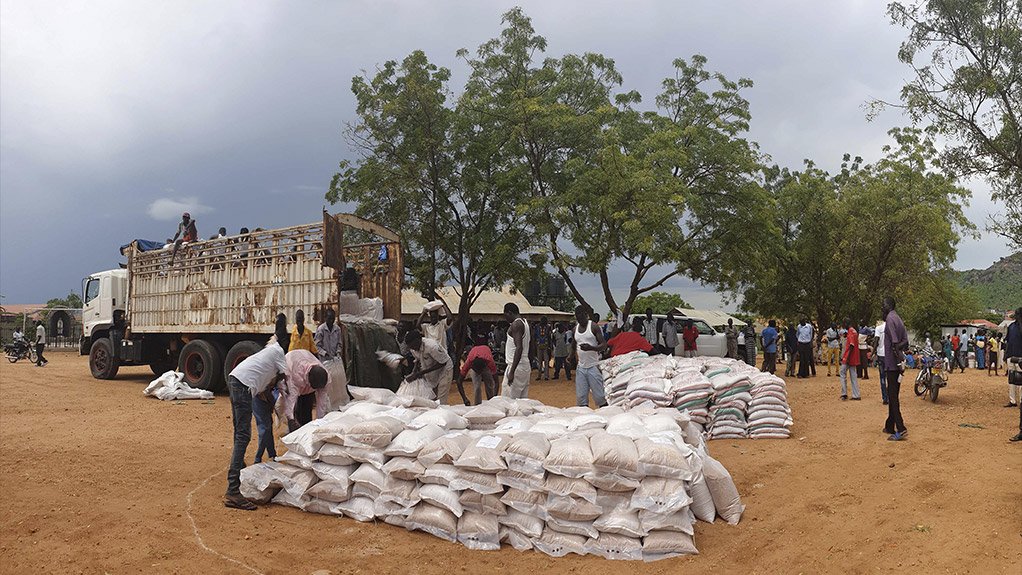
At the same time, the number of people fleeing Sudan has continued to rise.
UNHCR recorded more than 941,000 Sudanese refugees crossing into Chad since April 2023 by early August 2026.
That creates a difficult equation for humanitarian agencies: more people require assistance at precisely the moment when funding is becoming harder to secure.
MSF calls for Ouré-Cassoni to be prioritised
MSF says the contradiction is particularly stark in Ouré-Cassoni, which was not identified among the priority areas in Chad’s 2026 Humanitarian Needs and Response Plan.
For the organisation, the camp’s size and continuing influx of refugees warrant a reassessment.
“Ouré-Cassoni must be a priority for donors,” said Ayuba Mpato.
“We are talking about more than 117,000 people, with considerable needs, and new arrivals every day. The situation we are seeing here is not sustainable.”
He warned that without additional assistance, the gap between humanitarian needs and available services would continue to grow.
That gap is already visible in the daily lives of refugees.
It can be measured in the meals families cannot provide, the water that does not reach households in sufficient quantities, the makeshift shelters that offer little protection and the patients who struggle to access specialised healthcare.
For the thousands of Sudanese families who fled war hoping to find safety across the border, the humanitarian crisis in Ouré-Cassoni is becoming a different kind of threat: the gradual disappearance of the basic services needed to make that safety meaningful.
The warning from MSF comes as Chad continues to absorb new arrivals from a war in Sudan that shows no sign of ending, leaving humanitarian agencies facing the difficult task of doing more with less.