EU, AU and regional peacebuilding actors focus on preventing electoral tensions from escalating into violence
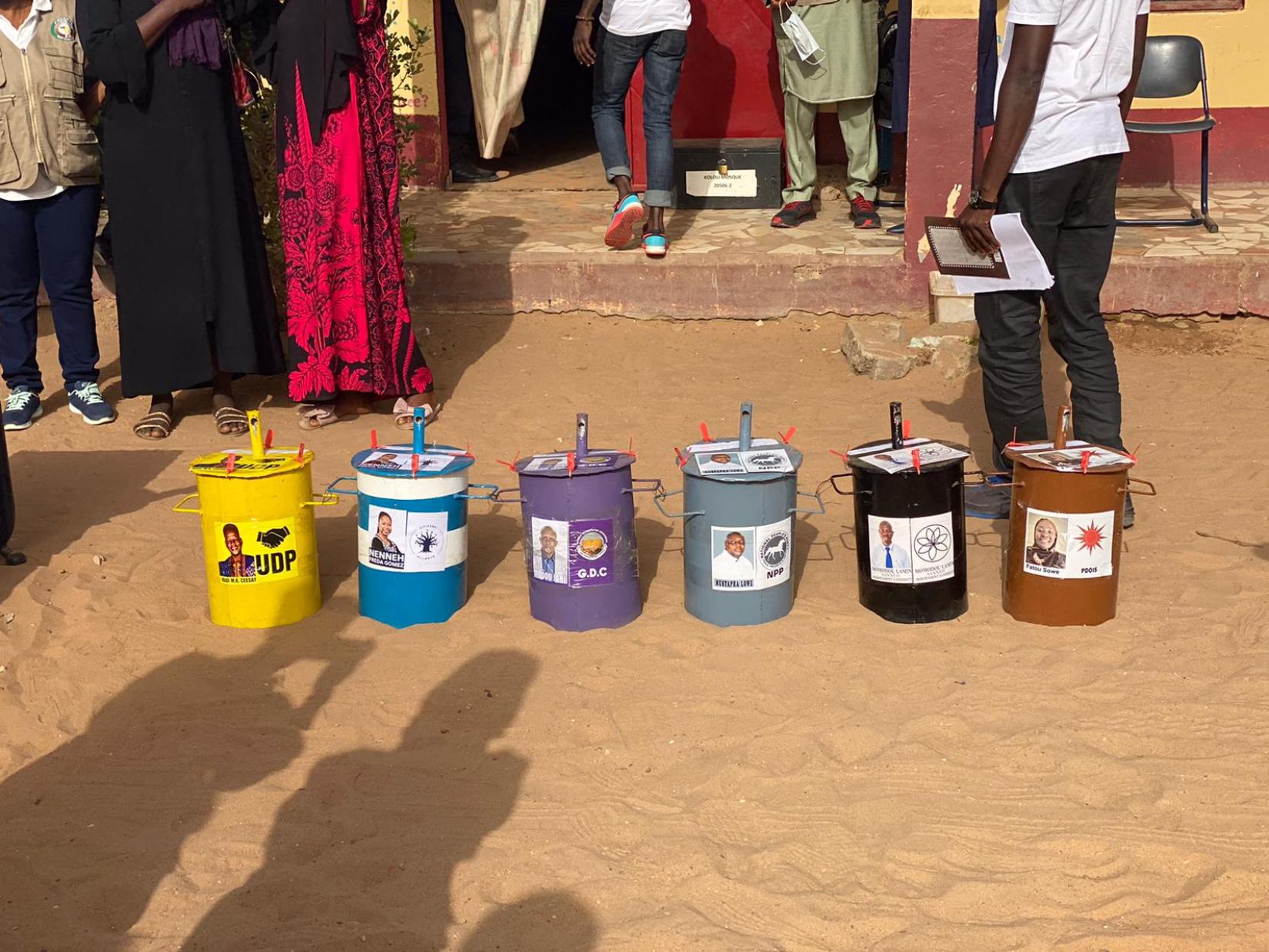
JOHANNESBURG – The Gambia is stepping up efforts to identify and contain potential sources of electoral violence ahead of a presidential election that will test the country’s democratic transition nearly a decade after Yahya Jammeh’s removal from power.
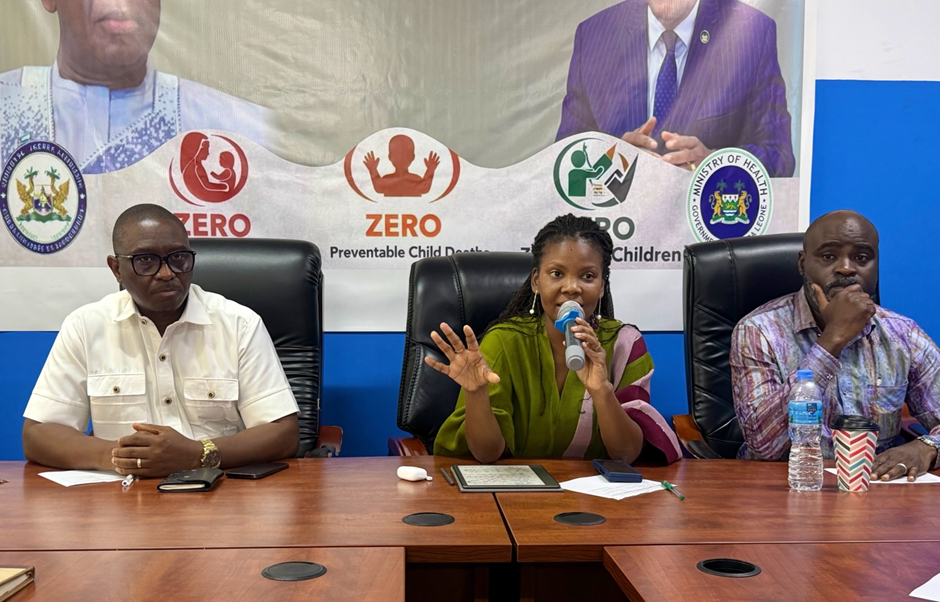
The European Union (EU) and the West Africa Network for Peacebuilding (WANEP) convened the Voices for Peace Forum: Analysing Concerns About Democracy and Upcoming Elections in The Gambia from 2 to 4 September, bringing together government institutions, election officials, security agencies, civil society, the media and regional actors.
The forum focused on early warning, risk analysis and early response as The Gambia prepares for a presidential election on 5 December 2026, followed by National Assembly elections in April 2027 and local government elections in May and June 2027. The dates are contained in the country’s official electoral calendar.
Rather than waiting for tensions to emerge during the campaign or on election day, participants examined potential triggers of conflict and discussed measures to identify and address them before they escalate.
Raphaël Brigandi, Deputy Head of Mission of the EU Delegation to The Gambia, said the country had made important democratic progress but warned that those gains required continued protection.
“The Gambia is undergoing a significant democratic journey.”
Brigandi said the country had made progress in consolidating its democratic space, encouraging civic participation and creating room for dialogue and reform.
“While The Gambia is establishing itself as a beacon of democracy in the region, these gains and status need continuous attention and should not be taken for granted,” he said.
He added that responsibility for maintaining peace could not rest with government or election authorities alone.
“Sustaining peace during elections is a shared responsibility and the EU’s role as a partner is to support a nationally led process.”
Intelligence seen as critical to preventing violence
The forum’s emphasis on intelligence and early warning reflects a broader shift in how electoral conflict is being approached in West Africa.
Samuel Atuobi, representing the African Union, stressed the importance of gathering reliable intelligence to ensure an adequate response to emerging risks.
ALSO READ: Uganda Weighs Extending Presidential and Parliamentary Terms to Seven Years
According to the forum organisers, Atuobi drew on experiences from other West African countries to argue that civil society must pay attention not only to visible political disputes but also to the underlying issues capable of triggering electoral violence.
His warning was that regional and continental institutions can only respond effectively when they receive reliable and timely information.
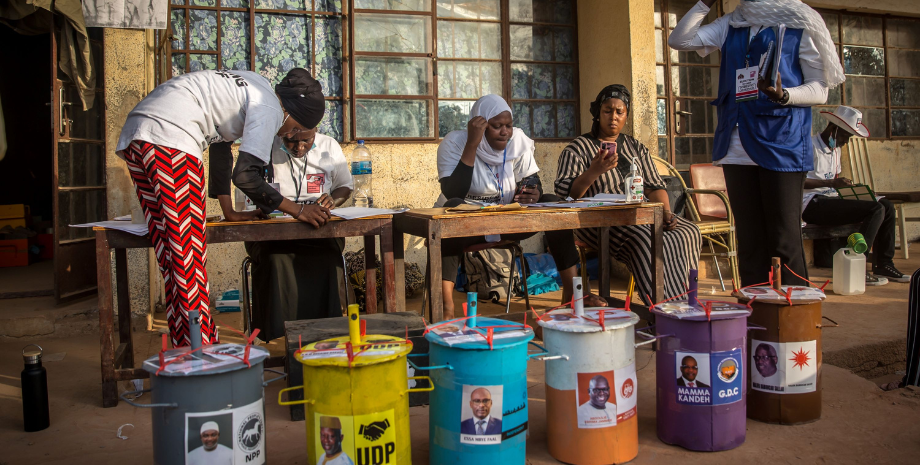
That point is significant in a region where electoral disputes have increasingly intersected with wider political and security crises.
The Economic Community of West African States (ECOWAS), the African Union and the United Nations Office for West Africa and the Sahel (UNOWAS) had already deployed a joint pre-election fact-finding mission to The Gambia in June.
The mission was tasked with assessing the country’s readiness for the December presidential election, examining its legal and institutional framework and identifying potential risks and early-warning indicators.
The regional mission also met with the Independent Electoral Commission, the National Human Rights Commission, the National Council for Civic Education, government officials, civil society and other stakeholders.
The parallel initiatives suggest that election preparedness is being viewed not simply as a technical exercise in voter registration and ballot management, but as a broader peace and governance challenge.
No single institution can prevent electoral violence
Dr David Tommy, chairman of the National Election Response Group, told the forum that preventing electoral violence would require coordination across institutions and society.
“Effective early warning and early response is a shared responsibility. No single institution can prevent electoral violence alone.”
Tommy said sustained collaboration and information-sharing would be needed between electoral authorities, state institutions, security agencies, political parties, civil society and the media, as well as traditional and religious leaders, women and youth organisations, development partners and regional institutions.
That approach places particular importance on information moving quickly between actors capable of identifying and responding to emerging tensions.
For the media, this means that election reporting can play a role beyond simply covering campaign events. Responsible reporting can help identify emerging disputes while avoiding language or narratives that could inflame tensions.
Gambia’s democratic gains remain fragile
The push for early intervention comes against the backdrop of The Gambia’s difficult political history.
Jammeh ruled the country for more than two decades before his defeat in the December 2016 presidential election. Adama Barrow’s victory marked a dramatic break from the previous political order and opened greater space for political participation and civil liberties.
However, democratic consolidation remains incomplete.
Freedom House’s Freedom in the World 2026 report classifies The Gambia as “Partly Free”, giving the country a score of 51 out of 100.
ALSO READ: Zambia Resumes Vote Counting After Election Officials Attacked
The organisation says political rights and civil liberties improved after Barrow took office, but continues to identify concerns including corruption, pressure on journalists and civil society and weaknesses in the rule of law.
That assessment provides important context for the current election preparations. The challenge facing The Gambia is not merely to hold another election, but to demonstrate that democratic competition can take place within institutions that command public confidence.
Regional scrutiny is already underway
The September forum is therefore the latest component of a much larger international and regional effort.
In June, the ECOWAS-AU-UNOWAS mission said it was seeking to support elections that were free, credible, inclusive and peaceful. Its consultations included the Independent Electoral Commission, government ministries, the National Human Rights Commission and civic education bodies.
ECOWAS said the mission was also examining the political relationship between institutions and political actors, as well as potential risks and early-warning signs.
The Gambian government, meanwhile, told the mission that it remained committed to strengthening democratic institutions and ensuring that the December election took place in a climate of peace, transparency and credibility.
The involvement of multiple regional and international institutions before the election indicates the extent to which prevention has become a priority.
Democracy as an ongoing process
Salama Njie, National Network Coordinator of WANEP-The Gambia, used the forum to frame the election as part of a longer democratic process.
“Democracy is not a static achievement. It is a continuous journey that requires constant nurturing, vigilance, and dialogue.”
She said elections were a cornerstone of democratic societies but could also place pressure on social cohesion when they were not managed transparently and fairly.
The forum subsequently produced recommendations aimed at strengthening partnerships, dialogue, conflict prevention and democratic resilience, according to the organisers.
The timing is important. The Independent Electoral Commission’s calendar shows that nominations for the presidential election are scheduled for 26 October to 6 November, with campaigning taking place before polling on 5 December.
That leaves a relatively short period for political parties, state institutions, civil society and election-support organisations to translate early-warning recommendations into practical mechanisms.
For The Gambia, the real measure of democratic progress will therefore extend beyond whether voters can cast their ballots.
It will be whether competing political forces can disagree without violence, whether electoral institutions can retain public confidence, whether disputes can be resolved through established mechanisms and whether early signs of tension are acted upon before they become crises.
Almost 10 years after the 2016 election that ended Jammeh’s rule, The Gambia is approaching another defining moment in its democratic transition.
The message emerging from the Voices for Peace Forum is that preventing electoral violence cannot begin when violence has already started. It has to begin with identifying the fault lines, listening to communities and building mechanisms capable of responding before those tensions erupt.