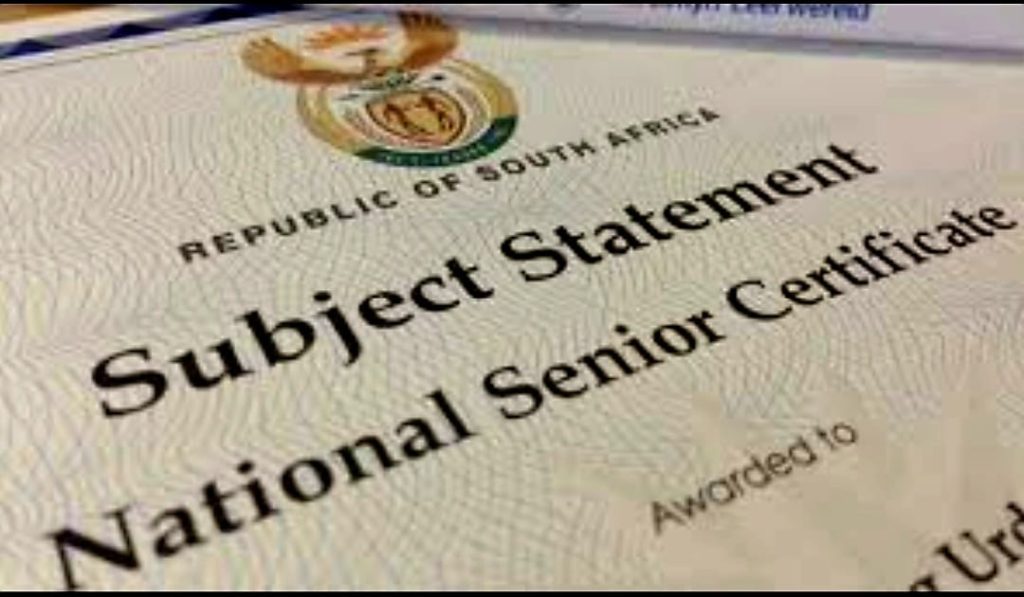
JOHANNESBURG – This past week, the nation revelled in the 2025 matric pass rates. It’s a win worth celebrating, and the excitement was truly palpable. The 2025 matric class hit a record-breaking 88% pass rate, edging up from last year’s 87.3%.
This was also the biggest cohort South Africa has ever seen, with 778,793 learners sitting for the exams. And while these numbers are impressive, they also provide a prime opportunity to question how far we’ve come and how much work still lies ahead.
This was especially palpable this week, with nationwide protests erupting against the Department of Basic Education’s 30% minimum pass rate in selected subjects. This is only compounded by the fact that thousands of children still have no school placements for the 2026 academic year, which is swiftly underway.
There are already a plethora of challenges in South Africa’s education system – from overcrowded classrooms, to inadequate study material, to disparities in educator posts, to dilapidated infrastructure, and so much more.
We must be clear about what is happening when children begin the school year without a classroom to go to: the state is violating their constitutional right to basic education. In real, measurable ways, with consequences that do not end when a placement letter finally arrives.
ALSO READ: Akinwumi Adesina’s Agricultural Vision Finds Home in The Gambia
Section 29 of our Constitution makes one thing very clear: the right to basic education is not optional; it’s immediate, not conditional on deadlines met, forms submitted correctly, or systems coping. And yet, every January, we collectively accept a reality where thousands of children, again, are told to wait.
This past Wednesday, as school gates swung open for the millions of students starting the 2026 academic year, approximately 23 000 students across four provinces were left out in the cold, still finding themselves without school placement.
There’s been an upheaval of contention on this matter, with many attesting this issue to late-applications, and others insisting that government systems, particularly digital portals, are inadequate, unresponsive and creating more problems than solutions.
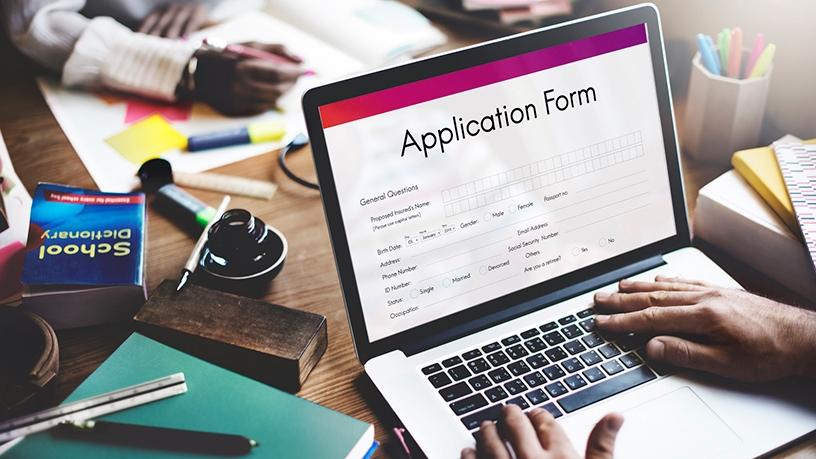
The Gauteng Department of Education said that most of the remaining unplaced learners were in Gauteng’s urban and metropolitan districts, which face ongoing strain from rapid population growth and limited school infrastructure.
However, these challenges have been ongoing for decades now! This challenge can be attributed to the biggest issue with our government today: that they have made education, amongst a plethora of state functions across SA, the responsibility of private developers.
This is providing for families with more resources, but completely overlooking the fact that over half of the entire nation lives below the poverty line, and that the vast majority of all children in SA attend public schools.
In fact, according to the Department of Basic Education, public schools serve over 94% of all learners, while private schools only serve around 5.5% of SA learners. Despite this, public schools remain completely neglected, with many closing at a much faster rate than being opened.
ALSO READ: Canadian Universities Aim to Attract Top Global Scholars With Funding Boost
SA has had an exponential increase in school-aged children in recent years. Yet each year, at the start of the school season, the same issues are rearing their ugly heads: crumbling infrastructure, overcrowded classrooms, underpaid teachers, and inadequate placement for learners across the nation, all while government responses are slow and patchy, leaning wholly on private institutions who merely wait to rake in the money from desperate parents clawing at their school gates!
What is oftentimes missing from debates around education is a sense of time. Not just the time of the parents scrambling to place their children, but also the time children are out of school, the time they lose forever. In the short term, unplaced learners miss weeks of foundational teaching. They enter classrooms already behind, expected to “catch up” in a system that rarely accommodates remediation.
South Africa has struggled with an education crisis for most of its democratic life. We talk endlessly about outcomes, literacy rates, and international rankings, yet remain disturbingly casual about inputs: planning, infrastructure, capacity, and population growth. We speak as though each year’s intake is a surprise, as though children are suddenly appearing, rather than progressing predictably from grade to grade.
Every unplaced learner represents a failure to plan for progression. Children do not remain static. Grade R learners become Grade 1 learners. Grade 7 learners move into high school. Communities grow. Cities expand. Internal migration continues, driven by work, housing, safety, and survival. None of this is new. None of it is unforeseeable. And yet, year after year, we are told the system is under “unexpected strain”. At some point, strain must be called what it is: blatant mismanagement.
South Africa spends a significant portion of its national budget on education. Annual education budgets promise new classrooms, new schools, and new resources. Yet, on the ground, schools remain overcrowded, infrastructure crumbles, and temporary solutions quietly become permanent.
Parents are blamed for late applications, as though paperwork delays justify rights violations. As though poverty, instability, or sudden relocation are personal failures rather than structural realities directly perpetuated by a corrupt government. This framing is convenient. It absolves the state of its duty to plan for the society as it actually exists, not as it wishes it did.
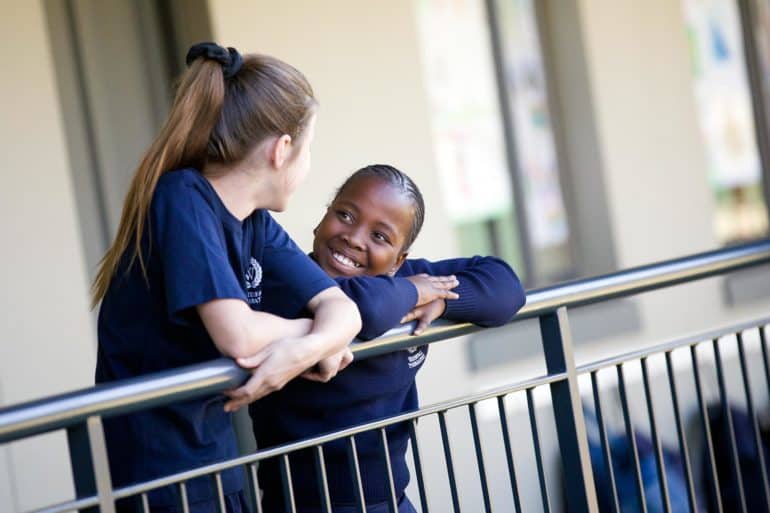
Look around: children outside school gates, classrooms bursting at the seams, futures already delayed. This is the cost of inaction. As our first democratic President, Nelson Mandela, once powerfully said: “Education is the most powerful weapon which you can use to change the world.”
Tswelopele Makoe is a gender and social justice activist and editor at Global South Media Network. She is a researcher, columnist, and an Andrew W Mellon scholar at the Desmond Tutu Centre for Religion and Social Justice, UWC. The views expressed are her own.