A long-term partnership led by Mercy Ships is equipping Malagasy healthcare professionals with the skills needed to diagnose and treat the condition locally.
TOAMASINA, Madagascar – A quiet but significant shift is underway in Madagascar, where sustained medical training is improving outcomes for children born with clubfoot and strengthening the country’s surgical capacity.
A long-term partnership led by Mercy Ships is equipping Malagasy healthcare professionals with the skills needed to diagnose and treat the condition locally. The result is a growing number of children receiving effective care, often without needing foreign intervention.
Clubfoot, a congenital condition that causes the feet to turn inward and downward, can lead to lifelong disability if left untreated. But with the right approach, outcomes can be dramatically improved. Research shows that the widely used Ponseti method can correct around 90% of cases through a combination of casting, minor surgical procedures, and bracing.
At Hospital Analakininina in the port city of Toamasina, that approach is now firmly embedded in local practice. Mercy Ships first supported the establishment of a Ponseti-based clinic there in 2015, training local clinicians to manage cases independently. Since then, treatment has continued under Malagasy leadership, with ongoing mentoring focused on more complex cases.
READ MORE: Madagascar Ends 16-Year Mining Freeze to Attract Investment
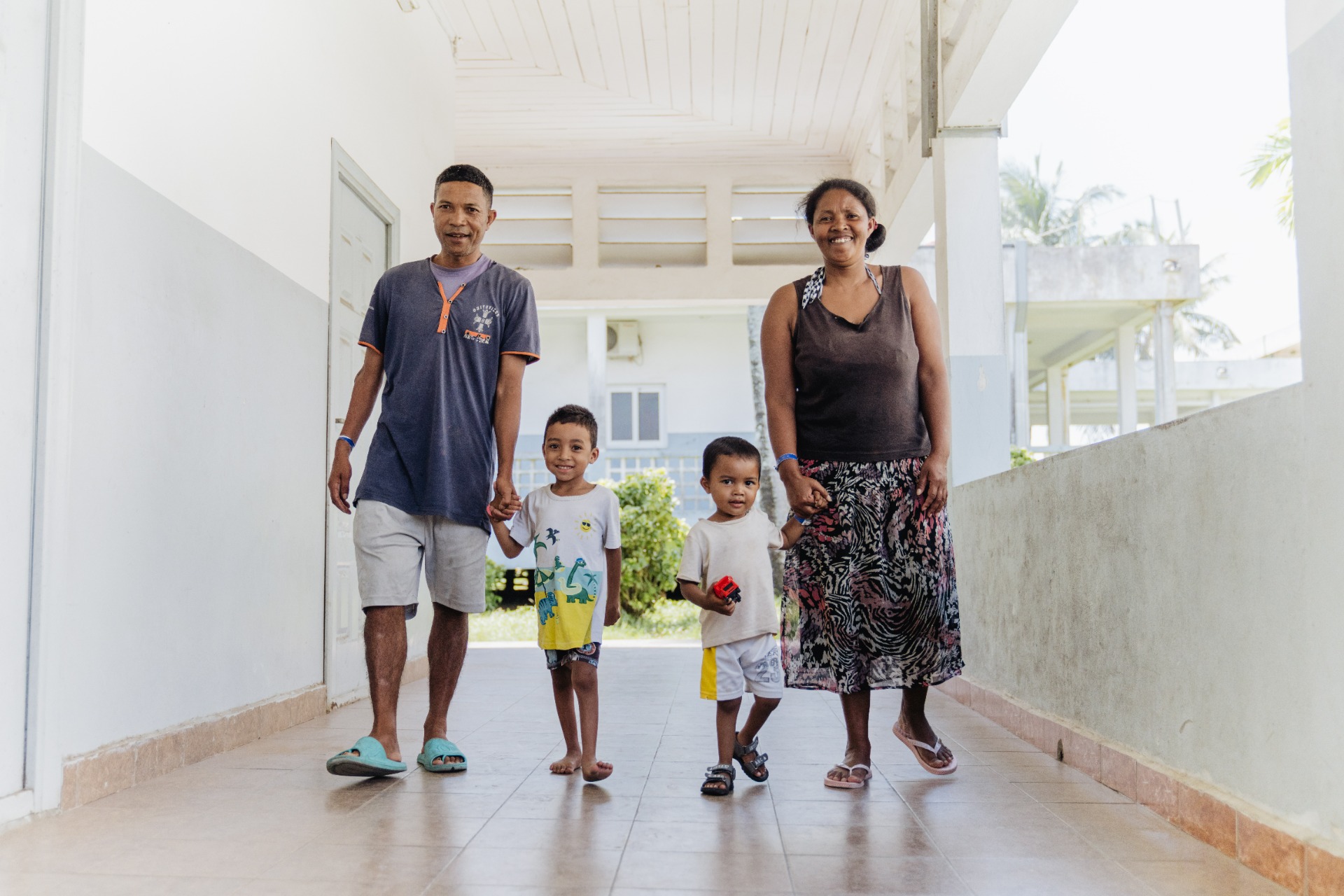
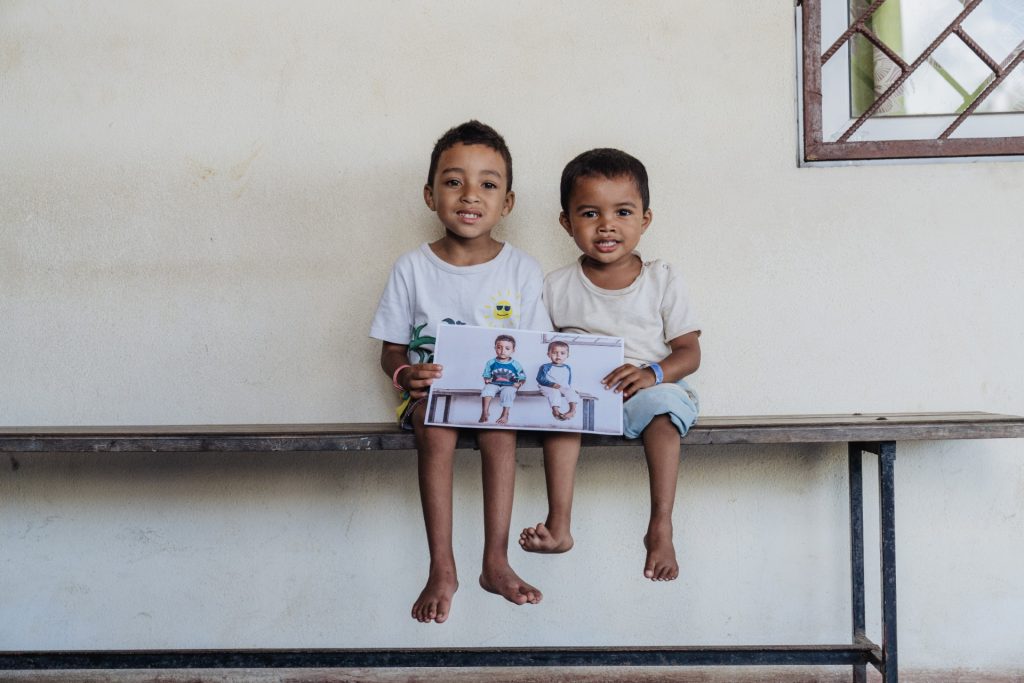
The impact is visible in the lives of children like Fanirisoa (5) and Vonjy (3), both born with clubfoot. Vonjy was treated entirely by local clinicians trained through the earlier programme, while his older brother received care under a newer mentoring initiative aimed at handling advanced cases and training additional staff.
Behind this progress is a model built on skills transfer rather than short-term intervention. Orthopaedic surgeon Rachel Buckingham, who volunteered with Mercy Ships, worked directly with Malagasy surgeons in the operating room, demonstrating precise surgical techniques and strengthening local training systems.
“The goal is to strengthen local teaching and training so that, one day, Mercy Ships is no longer needed,” Buckingham said.
READ MORE: Early Detection Shifts the Tide in Madagascar’s Long Fight Against Leprosy
For families, the results are life-changing. The boy’s father, Edmine, described the relief of seeing his children walk without pain. “If they had not received treatment, it would have been a heavy burden for us as parents,” he said. “Now their feet are just like everyone else’s. They can do everything other children can do.”
The story of Fanirisoa and Vonjy reflects two phases of Madagascar’s evolving healthcare capacity: the early investment in training that made local treatment possible, and the continued effort to build a new generation of skilled surgeons.
As programmes like this expand, they offer a model for how targeted medical education can address longstanding gaps in care across low- and middle-income countries, shifting from dependency toward self-sustaining health systems.