ANTANANARIVO — In a landmark policy shift that could reshape Madagascar’s economy and influence Africa’s critical minerals landscape, the government has lifted a 16-year moratorium on issuing new mining permits for most mineral resources, with one important exception: gold. The move, announced on 30 January 2026, ends a long-standing suspension originally designed to overhaul the country’s mining governance but has also kept investors on the sidelines for nearly two decades.
The decision comes as demand for strategic minerals, particularly those used in batteries, renewable energy technologies and electric vehicles, continues to surge globally, part of a broader shift in the geopolitical economy away from fossil fuels and toward critical materials. Madagascar’s mineral wealth, especially in nickel, cobalt, graphite and ilmenite, has made it an important player in this race, offering substantial economic opportunity for the island nation and international investors alike.
A long-overdue policy reset
The mining moratorium was first imposed in 2010 to allow time for an extensive review of Madagascar’s mining legal framework and institutional capacity. More than 1,600 permit applications were reportedly pending by 2023, according to the latest Extractive Industries Transparency Initiative (EITI) report, a bureaucratic backlog that underscored the challenges and uncertainties that had stalled investment for years.
Carl Andriamparany, Madagascar’s Minister of Mines, said at a press briefing that mining permits are “an essential working tool that allows operators and investors to operate legally.”
ALSO READ: Congo Dangles Critical Minerals to US as Kinshasa Seeks to Rebalance Global Partnerships
Malagasy authorities determined that the moratorium had succeeded in allowing governance reforms to take shape, but prolonging it further would only hinder economic growth.
The resumption of permit issuance is expected to unlock prospective exploration and development projects across a range of non-gold minerals, opening the door to both local and foreign capital after years of stagnation.
Why gold is still out of bounds
Despite lifting the broader ban, the government chose to keep gold mining permits suspended. Regulatory authorities cited significant discrepancies between officially recorded gold output and the scale of informal and artisanal mining activities across the country. Official data for the past year reported just over 13 kilograms of gold production, a figure industry observers and local communities have widely questioned given the intensity of artisanal gold mining nationwide.
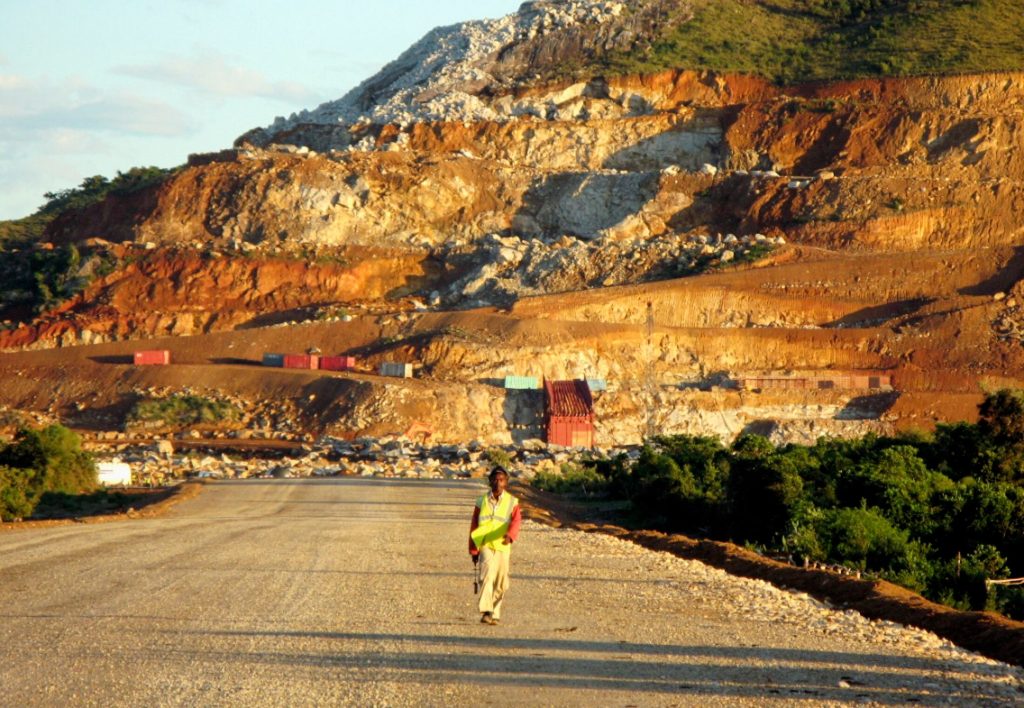
The decision reflects the government’s concerns about its current ability to regulate and monitor the sector effectively, particularly important in the gold industry, where illegal mining, smuggling, environmental degradation and tax leakage have been persistent challenges across Africa. Although gold remains one of the most lucrative minerals globally, authorities appear wary of attempting to formalise the sector before significant institutional strengthening and oversight mechanisms are in place.
Economic and geopolitical implications
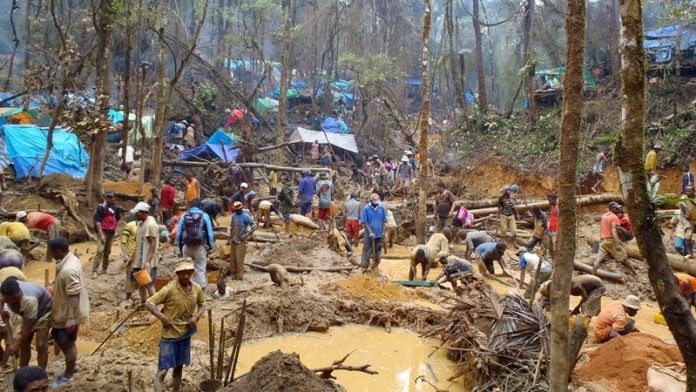
The lifting of the mining ban is likely to have wide-ranging implications for Madagascar’s economy, which has historically relied on the extractive sector as a cornerstone of export earnings. The Ambatovy nickel-cobalt project remains one of the country’s flagship mining operations, drawing substantial foreign direct investment and contributing significantly to export revenues.
In the context of rising global demand for critical minerals, particularly those essential for battery technologies in electric vehicles and renewable energy systems, Madagascar’s policy shift could render it a more attractive partner for foreign investors.
ALSO READ: Anglo American–Teck Merger Clears Canadian Hurdle
This comes at a time when countries around the world are diversifying supply chains away from traditional dominant producers, driven in part by geopolitical competition and a growing push for resource security.
For East-African investors, the timing also aligns with broader continental efforts to enhance intra-African value chains and increase retention of value through beneficiation and local processing rather than exporting raw materials.
Balancing growth with governance
However, the renewed push to attract mining investment is not without risks. Africa’s extractive sectors have often grappled with balancing economic opportunity against environmental stewardship, community rights and equitable growth. In Madagascar, where unique biodiversity and fragile ecosystems face pressures from economic activity, environmental advocates have raised alarms in the past about the potential impacts of expanded mining.
The exclusion of gold from immediate development signals an awareness of regulatory limitations but may also shift informal artisanal miners toward other minerals, potentially creating new compliance and enforcement challenges.
Madagascar’s move illustrates the tension facing many resource-rich developing economies, the need to stimulate investment and create jobs while ensuring transparent, accountable and environmentally responsible governance. As global competition for strategic minerals intensifies, the island nation’s success in attracting productive investment will depend heavily on strengthening regulatory capacity, reducing corruption risks and integrating local communities into development plans.