The Assembly confirmed that Mojtaba Khamenei was selected during an extraordinary session held under what it described as “acute war conditions”.

TEHRAN — Iran’s powerful clerical body, the Assembly of Experts, has announced the appointment of Ayatollah Seyyed Mojtaba Hosseini Khamenei as the third Supreme Leader of the Islamic Republic, following the death of his father, Ayatollah Ali Khamenei, during the ongoing conflict between Iran, the United States and Israel.
The announcement was made in a statement issued on 8 March 2026, in which the Assembly confirmed that Mojtaba Khamenei was selected during an extraordinary session held under what it described as “acute war conditions”.
According to the statement, the body moved quickly to prevent a leadership vacuum after the killing of the long-serving Iranian leader and attacks on state institutions.
“The Assembly of Experts… did not hesitate for a moment in the process of selecting and introducing the leadership of the Islamic system,” the statement read. “After careful and extensive studies… Ayatollah Seyyed Mojtaba Hosseini Khamenei is appointed and introduced as the third leader of the Islamic Republic of Iran.”
The Assembly said its offices had been bombed during the conflict, killing several staff members and security personnel, but that members proceeded with the constitutional process to appoint a successor.
Succession during wartime
The transition comes at a moment of deep instability in the region.
Iran has been at war following a series of strikes attributed to the United States and Israel that killed several senior military commanders and the country’s supreme leader. The death of Ayatollah Ali Khamenei on 28 February triggered an urgent succession process led by the Assembly of Experts, the clerical body responsible for appointing and supervising Iran’s supreme leader.
READ MORE: World Leaders React To US Strikes On Venezuela
Under Iran’s constitution, the Assembly, composed of 88 senior clerics elected by the public, has the authority to select a new leader when the position becomes vacant.
In the days immediately after Khamenei’s death, a provisional leadership council was formed to manage state affairs until a permanent successor could be chosen.
The Assembly said its decision followed “extensive studies” and was taken by a decisive vote of its representatives.
Who is Mojtaba Khamenei?
Mojtaba Khamenei, believed to be in his mid-50s, is the second son of the late Supreme Leader and has long been viewed as one of the most influential figures within Iran’s conservative power structure.
Although he has never held a formal government position, analysts say he has maintained close ties with the Islamic Revolutionary Guard Corps (IRGC) and with senior clerical networks within the Islamic Republic.
His rise to the top post marks the first time in the Islamic Republic’s history that the son of a supreme leader has succeeded his father.
Some analysts have argued that his selection reflects the growing influence of hard-line factions within Iran’s political system.
READ MORE: The Winds Of Change Are Finally Blowing In Favour Of Palestine
The leadership transition comes amid a rapidly escalating regional conflict that began with coordinated airstrikes on Iranian targets earlier this year.
The attacks, widely attributed to Israel and the United States, targeted military facilities and senior officials in what analysts described as an attempt to weaken Iran’s strategic command structure.
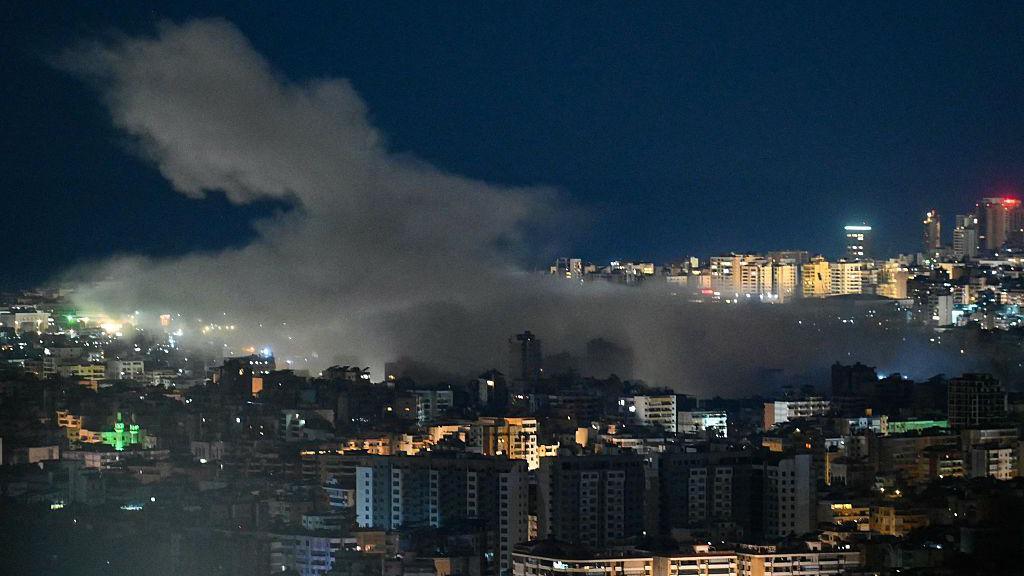
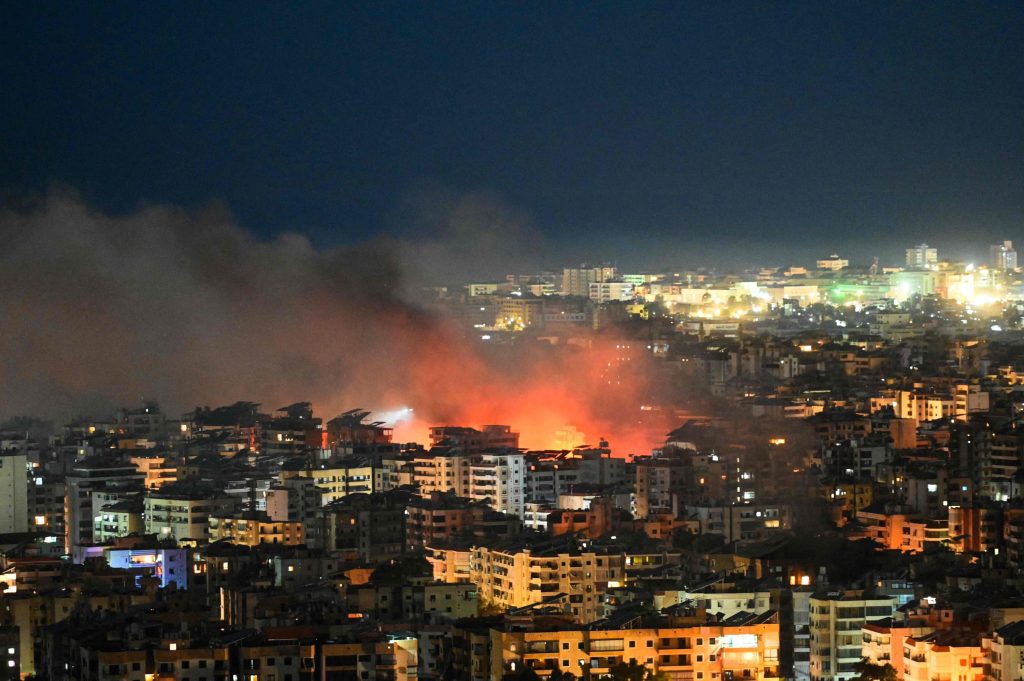
Iran responded with retaliatory strikes on military and strategic infrastructure across the region, including targets linked to U.S. allies. The conflict has since expanded beyond Iran’s borders, affecting Lebanon and parts of the Gulf.
Casualties have been reported across multiple countries, with hundreds killed and widespread infrastructure damage reported in several locations.
The war has also displaced large numbers of civilians, particularly in areas of southern Lebanon where fighting between Israeli forces and Iran-backed Hezbollah militants has intensified.
A leadership built around resistance
In its statement, the Assembly of Experts framed Mojtaba Khamenei’s appointment as a continuation of Iran’s ideological path.
The statement praised what it described as 47 years of governance based on “dignity, independence and authority” under the leadership of Ayatollah Ruhollah Khomeini and his successor Ali Khamenei.
It also condemned what it called the “brutal aggression” of the United States and Israel, referring to them as “criminal America” and the “Zionist regime”.
The Assembly called on Iranians to unite behind the new leader and to pledge allegiance to the system of Velayat-e Faqih, or guardianship of the Islamic jurist, the principle that places the country’s highest authority in the hands of a senior cleric.
“The Assembly invites the entire noble nation of Iran… to pledge allegiance to the leadership and maintain unity around the axis of guardianship,” the statement said.
Mojtaba Khamenei now assumes one of the most powerful positions in the Middle East.
The Iranian supreme leader holds ultimate authority over the country’s armed forces, foreign policy, intelligence services and judiciary.
His leadership will likely shape the direction of the ongoing conflict as well as Iran’s domestic political trajectory.
Analysts say the new leader inherits a country facing major challenges, including economic sanctions, internal political tensions and a war that threatens to draw in multiple regional powers.
At the same time, his appointment is expected to reassure hard-line factions that Iran will maintain a confrontational stance toward its adversaries.