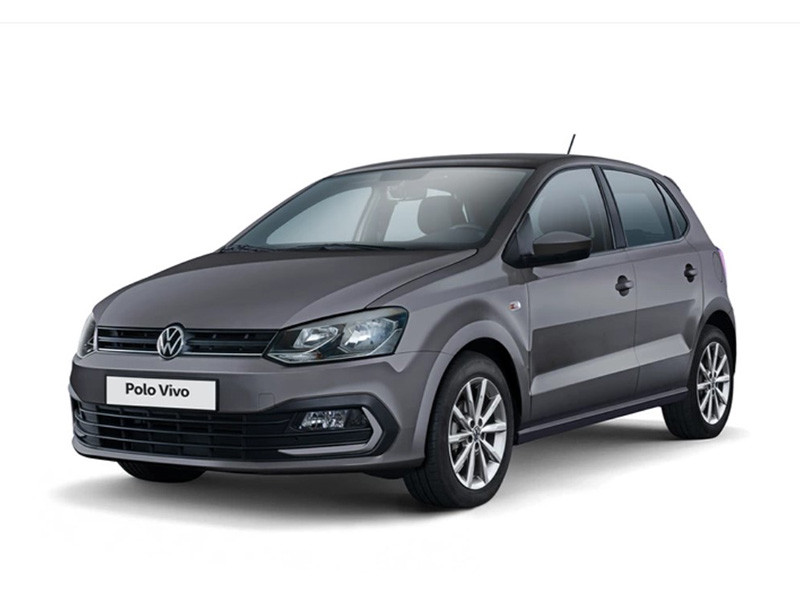
More than 25,000 Volkswagen Polo Vivo vehicles sold in South Africa are being recalled after a defect was discovered that could cause the handbrake to malfunction, raising potential safety concerns for drivers.
The recall was announced by the National Consumer Commission (NCC), which stated that the move follows a notification from Volkswagen Group Africa, affecting 25,729 vehicles sold nationally between February 2025 and February 2026.
According to the regulator, the issue is related to a component within the handbrake mechanism that may not meet manufacturing specifications.
“The rivet height on the handbrake lever fitted to the affected vehicles may be outside the required specification,” the commission said.
If the component is out of specification, the handbrake may fail to engage correctly or could disengage unexpectedly in rare circumstances. The defect could create a safety risk, particularly when vehicles are parked on slopes.
ALSO READ: Ford Announces Multiple Recalls Across Southern Africa
The NCC has urged owners of the affected vehicles to take immediate precautions and arrange inspections at authorised dealerships.
“Given the high potential risks of the defect, owners of affected vehicles are urged to immediately get their vehicles to any authorised VW dealership for inspection,” said acting commissioner Hardin Ratshisusu.
Volkswagen said all inspections and any necessary repairs would be conducted free of charge.
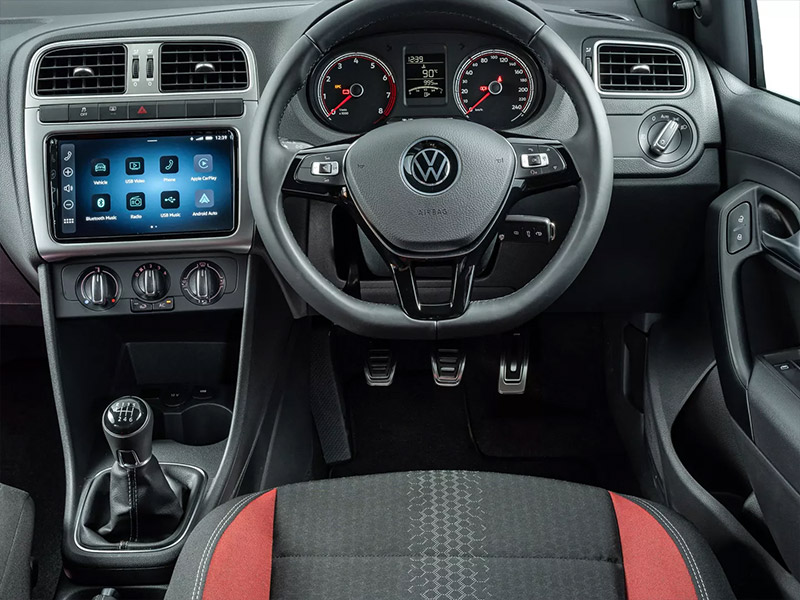
Until vehicles are inspected, drivers have been advised to take extra precautions when parking. These include leaving manual vehicles in first gear or automatic vehicles in park, and avoiding parking on steep slopes.
The NCC said it will monitor the recall process to ensure that it complies with the Consumer Protection Act and that affected consumers are properly assisted.
One of the country’s most popular cars
The recall is significant because the Volkswagen Polo Vivo is one of the best-selling passenger vehicles in South Africa, widely used by private motorists, fleet operators and driving schools.
Introduced as a more affordable version of the Polo, the model has consistently ranked among the country’s top-selling cars and forms a key part of Volkswagen’s local production portfolio.
Large recalls involving the vehicle therefore affect a substantial number of motorists.
Vehicle recalls are not unusual in the automotive industry and often occur when manufacturers identify potential safety defects after vehicles have already been sold.
ALSO READ: Living With An EV – Volvo EX30
In recent years, South Africa has seen several large recalls across different brands.
For example, in 2022, Toyota South Africa Motors recalled thousands of vehicles, including certain Hilux and Fortuner models, over potential brake system and fuel pump faults.
Similarly, in 2023, Ford Motor Company recalled a number of Ranger bakkies in South Africa as part of a global recall related to possible engine fire risks linked to cracked fuel injectors.
Another major global safety campaign that also affected South Africa involved defective Takata airbags, which led to recalls by multiple manufacturers, including Honda, BMW and Nissan. The defective airbags were linked to injuries and deaths internationally and triggered one of the largest automotive recalls in history.
Recalls also reported across Africa
Similar safety recalls have occurred elsewhere on the continent.
In Nigeria, authorities ordered the recall of certain Toyota Corolla and Camry models affected by the Takata airbag defect, while Kenya has seen recalls involving vehicles from manufacturers including Subaru and Mitsubishi Motors over engine and brake system issues.
Consumer protection regulators across Africa have increasingly worked with manufacturers to ensure defects are addressed quickly and that customers are notified.
The NCC said it will continue monitoring Volkswagen’s recall process to ensure that affected drivers receive repairs and that the defect is addressed across all affected vehicles.
The commission has encouraged motorists who believe their vehicles may be affected to contact their nearest dealership or consult Volkswagen’s official recall channels for further information.
“Consumers must respond promptly to recall notices to ensure their safety and that of other road users,” the commission said.