By Paul Phume
JOHANNESBURG — In mid-2025, Gerrie Fourie, CEO of Capitec, ignited a national debate when he suggested South Africa’s real unemployment rate could be far lower than official estimates. While Statistics South Africa placed unemployment at 32.9%, Fourie argued that the figure might be closer to 10% if the informal economy were properly measured.
The argument touched a nerve. Conversations about unemployment and the informal sector are always complex, shaped as much by economics as by history. They reopen questions about inequality and exclusion, but they also highlight an opportunity: how South Africa can better recognise and support the economic activity already happening outside formal structures.
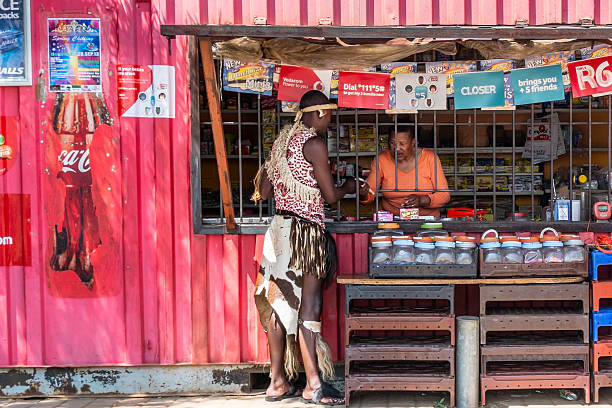
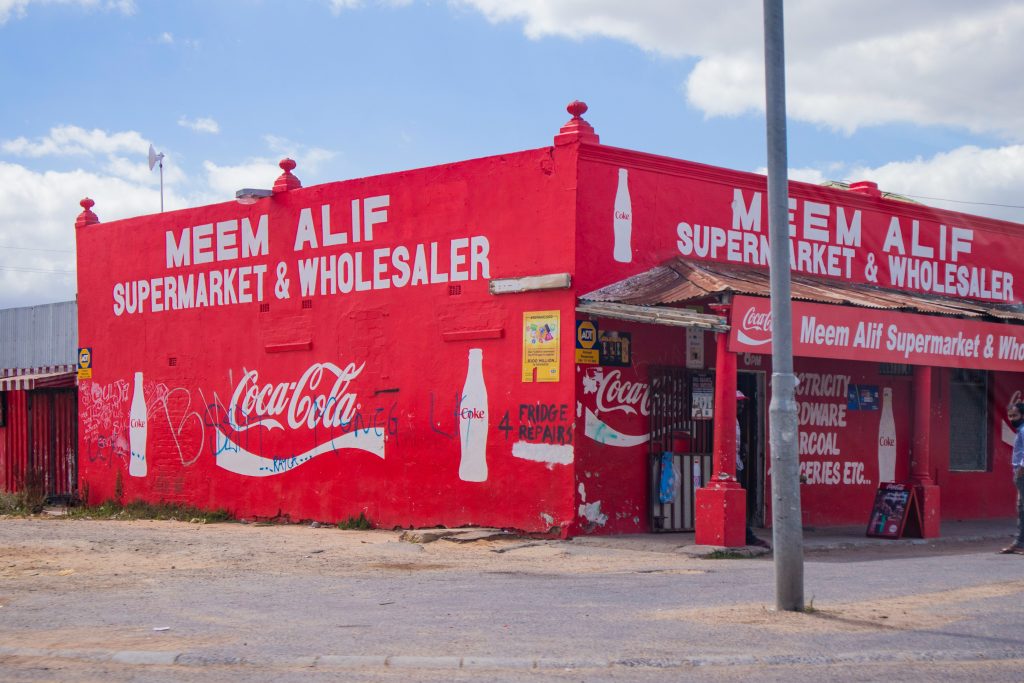
While economists and policymakers will continue to debate methodology, the bigger question is how the country unlocks the value of its informal economy. One of the clearest examples is the spaza sector. Estimates place the annual value of South Africa’s spaza market between R180 billion and R197 billion, making it a powerful but often underestimated pillar of local commerce.
READ MORE: New Cities? Old Inequalities And More Foolish Priorities
Major retailers, including Checkers, Pick n Pay, Boxer, Spar and Tiger Brands, have recognised this potential, increasingly engaging with township and community-level retail networks.
Yet despite its scale and resilience, the spaza industry still struggles for recognition. In business circles, the phrase “we’re not running a spaza shop” is sometimes used dismissively, implying that informal retail lacks sophistication or strategic value. Such attitudes overlook the reality that running a spaza requires sharp operational discipline, deep customer insight and the ability to survive in highly constrained conditions.
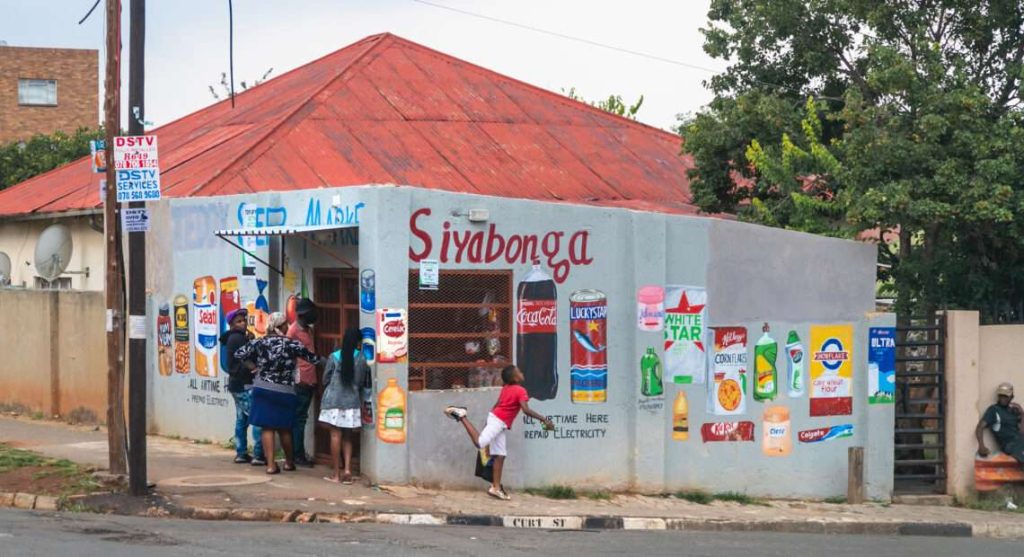
Like many small and medium enterprises, spaza operators face persistent hurdles: limited access to finance, tight cash flows, crime, skills gaps and the ongoing disruption of load-shedding. These pressures contribute to high failure rates and restrict the sector’s growth, despite its proven role in sustaining livelihoods and local supply chains.
READ MORE: Malawi votes amid economic downturn and leadership discontent
If South Africa is serious about tackling unemployment and building a more inclusive economy, support for the informal sector must move beyond rhetoric. Respect matters. So does practical backing, whether through better access to funding, infrastructure, training or simply recognising the legitimacy of these businesses within the broader economic narrative.
The spaza industry is not a side story. It is a central part of how millions of South Africans earn a living and how communities access everyday goods. Treating it with the respect it deserves is not just about fairness. It is about acknowledging where real economic activity is happening and building from that foundation.
Paul Phume is a Johannesburg-based businessman, social justice activist and philanthropist. He is also the Chief Executive Officer of BLACKMAGiC GROUP. The views expressed are his own.