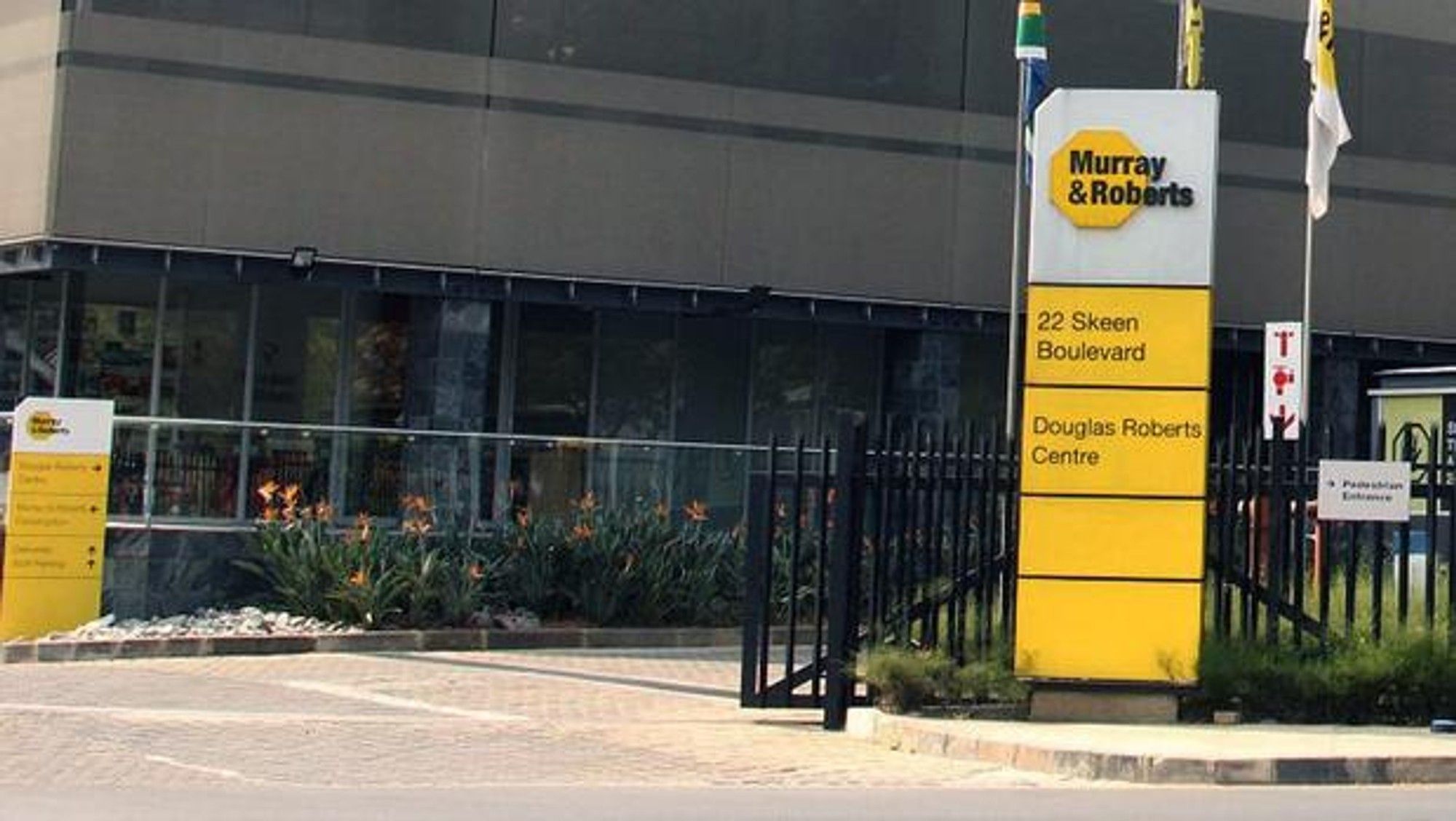
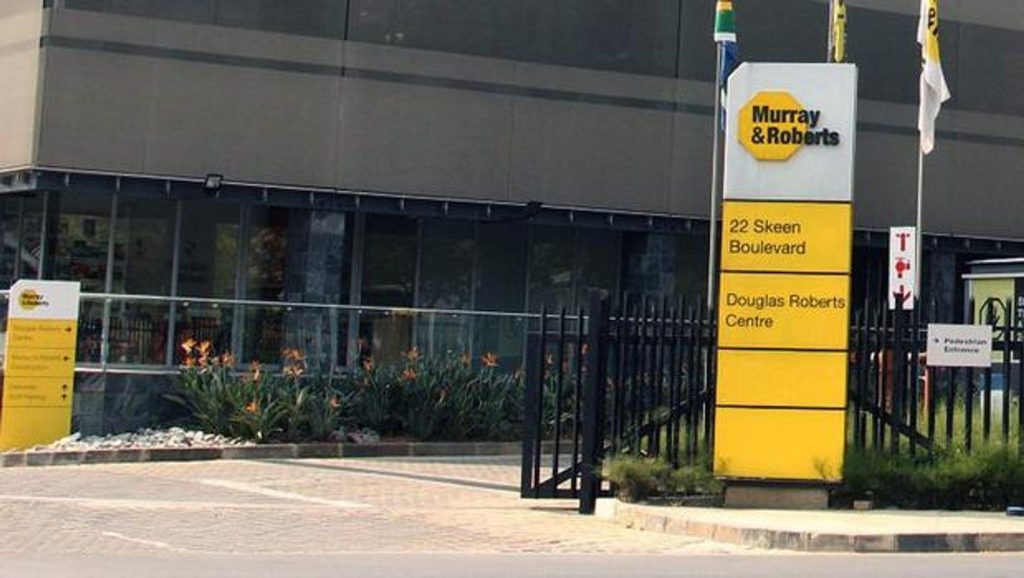
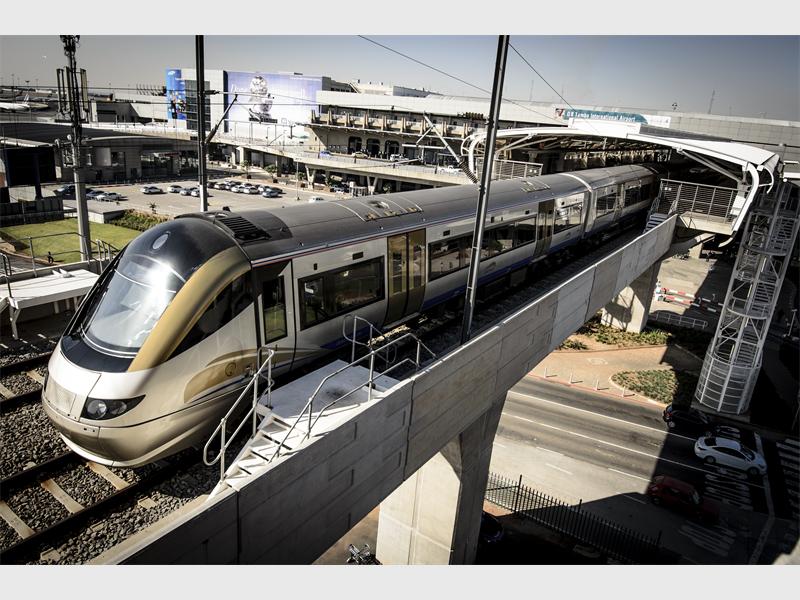
JOHANNESBURG, South Africa – For over a century, Murray & Roberts was more than just a name in engineering and construction, it was a pillar of South African industrial might, a symbol of ingenuity, resilience, and ambition. Founded in 1902, the company helped shape the physical and economic landscape of the South Africa nation, crafting landmarks that stood as monuments to progress: the soaring Carlton Centre in Johannesburg, the awe-inspiring Gautrain, powerhouse projects like Koeberg and Medupi, and even the iconic Burj al Arab in Dubai.
Yet on August 15, 2025, a somber chapter began as the JSE-listed holding company, Murray & Roberts Holdings Limited (MRH), formally informed its shareholders of creditor-initiated liquidation proceedings. The company did not oppose the winding-up, a stark acknowledgment of prolonged financial distress that followed years of dwindling liquidity, costly project delays, and a loss of strategic footing.
The decision to wind down MRH signals the twilight of an institution that once epitomized South Africa’s construction prowess. The holding company’s insolvency, triggered after the sale of its core assets, underscores the tide of challenges that overwhelmed even the most venerable players.
The “perfect storm”, from losses linked to the troubled Clough acquisition in Australia, a deep reliance on clients like De Beers’ Venetia Mine, to the wider economic upheavals wrought by the Covid-19 pandemic and stark withdrawal of banking support, has taken its toll.
Murray & Roberts Holdings Limited (MRH) and its operational counterpart, Murray & Roberts Limited (MRL), are distinct entities. While MRH faces liquidation, MRL entered business rescue in November 2024 due to liquidity constraints. The rescue plan, overwhelmingly approved by creditors in April 2025, centers on selling the group’s mining subsidiaries to a consortium led by South African asset manager Differential Capital.
ALSO READ: Eswatini Contractors Demand Inclusion in E2.5 Billion AfDB Project
The plan includes several key elements: Differential Capital takes operational control of mining assets with a strategy to streamline operations, improve profitability, and explore new markets. The involvement of Differential Capital is significant as it ensures the continuation and potential growth of MRL’s core operations. This consortium aims to leverage its experience in managing complex investments to stabilize and revitalize MRL, promising a structured roadmap to recovery that addresses creditors’ concerns and safeguards jobs within the company.
This rescue is far from a footnote; it safeguards approximately 2,800 jobs, especially within Cementation Africa and its global subsidiaries. Business rescue practitioners remain confident this is the most viable path forward, signaling a chance for rebirth amid the surrounding uncertainty.
For many South Africans and industry watchers, the news conjures both nostalgia and reflection. Murray & Roberts was a cornerstone of national development that weathered seismic shifts in politics, economy, and technology. Iconic public infrastructure and private sector projects alike bore its imprint.
Yet the company’s recent financial disclosures paint a picture of mounting losses. By December 2024, MRH reported a loss before interest and tax of R646 million, driven largely by guarantees called on project completion in MRL. For shareholders, this translated into a basic loss per share of 167 cents for continuing operations, and 414 cents including discontinued operations.
Efforts to voluntarily wind down the holding company failed to gather sufficient shareholder support, leaving court-ordered liquidation as the last recourse. Shareholders are facing potential significant financial losses as the company’s value diminishes during liquidation proceedings. With shares losing value, the options for recourse are limited. However, shareholders will be prioritized after creditors in the distribution of any remaining assets. As the proceedings unfold, shareholders may need to consult financial advisors to explore next steps and assess any potential recovery depending on the liquidation outcome.
Murray & Roberts’ demise is a stark reminder of the vulnerabilities facing legacy firms amid fierce global competition, shifting markets, and economic uncertainties. The industry’s journey from its early days as a regional builder to a multinational operating across continents now stands at a crossroads where adaptation and bold reinvention have become existential imperatives.
The unraveling of MRH also highlights systemic challenges faced by South Africa’s broader engineering and construction sectors: constrained access to capital, overdependence on a few large clients, and the fragility of profitability amid complex project execution risks. Recent industry events, such as the collapse of Group Five and the financial woes of Aveng Group, illustrate a broader pattern of distress within the sector.
ALSO READ: African Businesses Need to Compete on the Global Stage
The industry is grappling with competitive pressures and the need to innovate, as seen in the strategic shifts towards renewable energy and sustainable building practices. These examples demonstrate that MRH’s fate might not be an isolated incident but part of a wider industry trend toward transformation and adaptation to new market realities.
While the holding company dissolves, the business rescue of MRL offers a narrative of guarded optimism. The continuation of operations by Mining Interests and Cementation subsidiaries, the commitment of investors to preserve thousands of jobs, and the strategic restructuring are foundations upon which new legacies can be built.
For employees, suppliers, and communities tied to Murray & Roberts’ long history, the coming months are undoubtedly fraught with uncertainty. However, support measures are available for employees not covered by the business rescue. These measures include job transition assistance, retraining programs, and counseling services to help them adapt to new opportunities. Strategic partnerships and renewed focus ensure that some remnants of the firm’s pioneering spirit will endure.
As South Africa bids farewell to a century-old engineering giant, the story is not just about loss but about transition, the painful but necessary reshaping of a sector that must evolve to remain relevant.
Murray & Roberts’ iconic projects remain etched in the skylines and hearts of millions, silent witnesses to a legacy that shaped a nation’s growth. The company’s dissolution serves as a profound reminder: the future demands relentless innovation, financial discipline, and diversifying beyond traditional strongholds.
For a country transforming and aspiring toward greater industrial resilience, the lessons of Murray & Roberts’ rise—and fall—must inspire a bolder, more agile path forward.