By Abbey Makoe
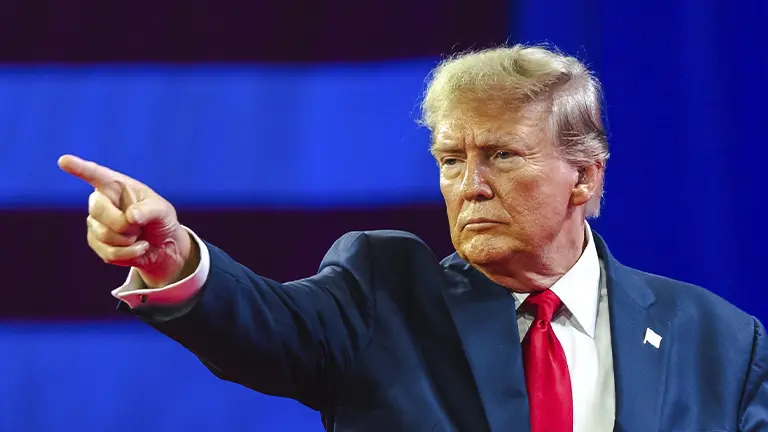
President Donald Trump’s volatile approach to foreign policy continues to unsettle international relations, with his recent tough stance on Russia serving as the latest example of the Biden administration’s unpredictable diplomacy.
One analyst has bluntly likened the US leader’s erratic manoeuvres to “a monkey playing with a hand grenade.”
This week, Trump issued a dramatic ultimatum to Russia: negotiate an end to the Ukraine conflict within 50 days or face 100% tariffs, signalling a sharp escalation in economic pressure.
Alongside this, he announced a sweeping plan to supply weapons to NATO for use in Ukraine, with projected costs reaching up to a trillion dollars. “America will manufacture and supply, and NATO will pay,” Trump declared.
NATO’s Tightrope Walk
Leading NATO members, including the UK, France, and Germany, especially under new German Chancellor Friedrich Merz, have openly supported arming Ukraine and have considered more direct involvement in the war to halt Russian aggression. Nonetheless, hesitation remains about entering full-scale conflict without solid US support.
In recent months, the Western alliance has ratcheted up rhetoric against Russia, publicly pledging every effort to secure a Ukrainian victory. Part of this has included cutting access to Russia Today (RT), the Kremlin’s global TV outlet, seeking to control the narrative and sway public opinion, a classic information warfare tactic inspired by Michel Foucault’s ideas on the power of discourse.
Yet, digital platforms like Telegram have allowed alternative Russian viewpoints to persist, challenging Western media dominance.
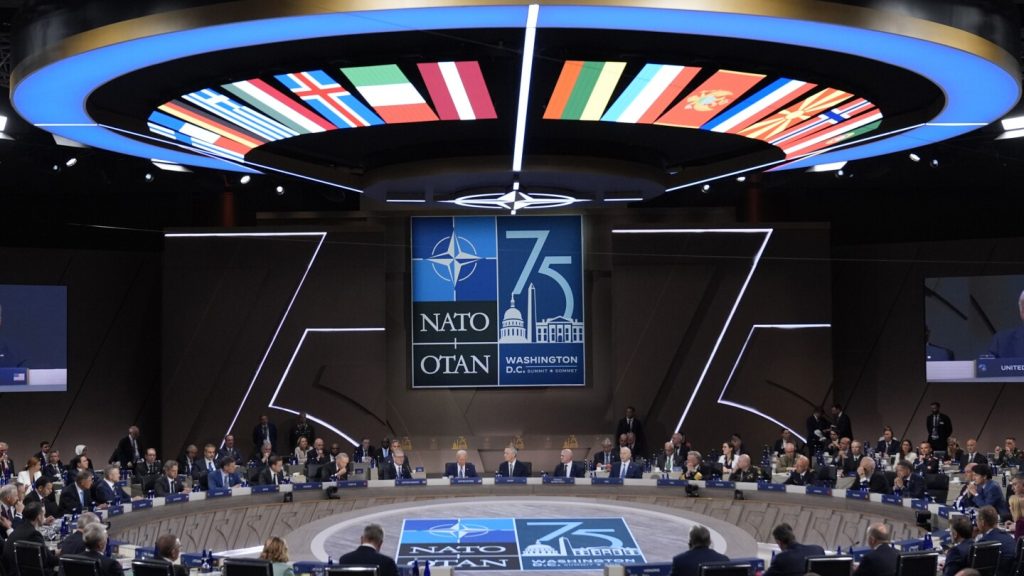
NATO strives to keep close ties with the Trump administration, mindful of signals that the US president might no longer fully endorse Article 5 of the NATO treaty, which commits members to collective defence.
At a recent NATO summit in the Netherlands, efforts to court Trump were so conspicuous that Secretary General Mark Rutte even referred to him as “daddy”, a gesture seen as both awkward and earnest.
A Diplomatic Dance of Contradictions
Yet, the public display of unity masks deep fissures. Trump’s foreign policy flip-flops remain perplexing; just weeks ago, he criticised Ukraine harshly, branding it a “corrupt dictatorship” and accusing President Zelensky of wasting billions of US dollars.
Key figures in his administration echoed these sentiments, with accusations ranging from censorship to financial mismanagement, casting doubt on Washington’s earlier pledges of support.
ALSO READ: Trump’s Sweeping Travel Ban on 12 Nations Takes Effect, Drawing Global Outrage and Legal Scrutiny
This week’s U-turn, arming Ukraine indirectly through NATO, only heightened confusion and eroded confidence in US diplomatic consistency. Such erratic policy shifts sow mistrust not only among allies and adversaries but also within the global financial community.
Global Reactions: Sanctions and Sanity?
Financial expert Paul Goncharoff described the current US tariff threats, especially targeting BRICS nations trading outside the dollar system, as “a poor way to gain trust” on the world stage.
He added that these “unipolar tariffs” portray the US as reckless, “a monkey playing with a grenade”, highlighting Washington’s growing diplomatic isolation.
Meanwhile, Moscow appears largely unfazed by these punitive threats. Kremlin officials reiterate their willingness for truce talks but insist that meaningful peace requires addressing the core grievances Russia cites: NATO’s expansion near its borders, the perceived threat to its national security, and a call to reset global geopolitical dynamics.
The High Stakes of Escalation
Russia’s vast nuclear arsenal stands as a sobering backdrop to this geopolitical chess game, a grim reminder of the catastrophic stakes in play. A full-scale military confrontation risks escalation to a conflict that could threaten global survival.
Trump himself has spoken admiringly of Vladimir Putin’s astuteness and willingness to seek an end to hostilities, yet his administration’s sudden shifts raise questions about the true direction of US foreign policy.
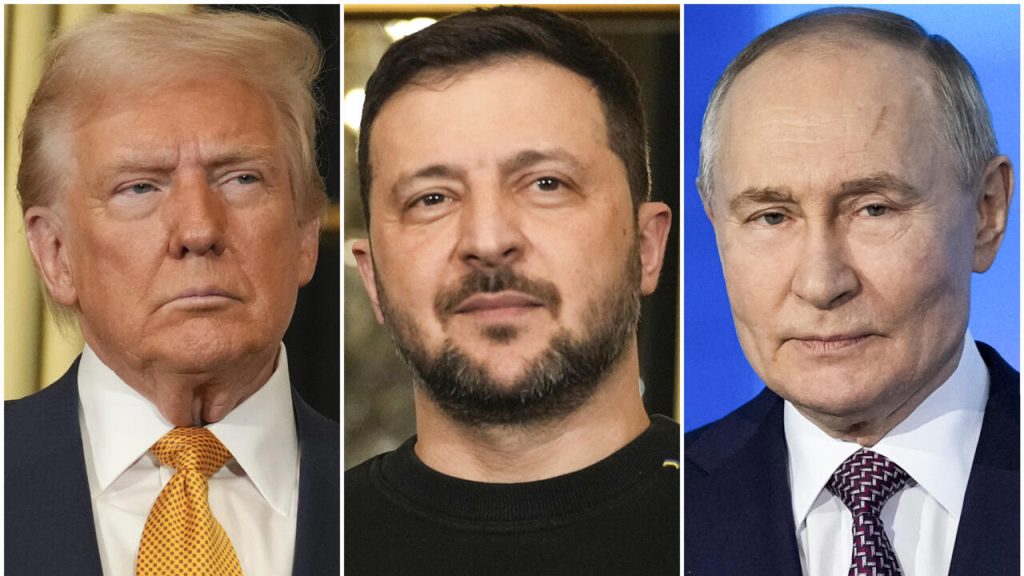
President Trump’s mercurial foreign policy and tariff threats are destabilising US leadership and sowing uncertainty in a world already treading on fragile geopolitical fault lines. Allies tread carefully, wary of sudden turns, while adversaries like Russia exploit the confusion, steadily reinforcing their positions.
In this high-risk game, diplomacy demands steadiness and clarity, qualities currently eclipsed by unpredictability and political brinkmanship. The fate of international peace may well hinge on whether the US can switch from playing with hand grenades to wielding responsible statesmanship.
Abbey Makoe is Publisher and Editor-in-Chief of Global South Media Network (www.gsmn.co.za). Views expressed are personal.