Long before Oxford or Harvard opened their doors, the desert city of Timbuktu stood as a beacon of scholarship, culture, and intellectual exchange. Nestled near the Niger River in present-day Mali, Timbuktu was once the heart of a powerful scholarly tradition that spanned the Islamic world—and much of it was African.
At its height between the 13th and 16th centuries, Timbuktu was home to an estimated 25,000 students and over 180 schools and universities, including the famed Sankoré University. But what made this city truly remarkable was its commitment to writing, preserving, and debating knowledge in its many forms.
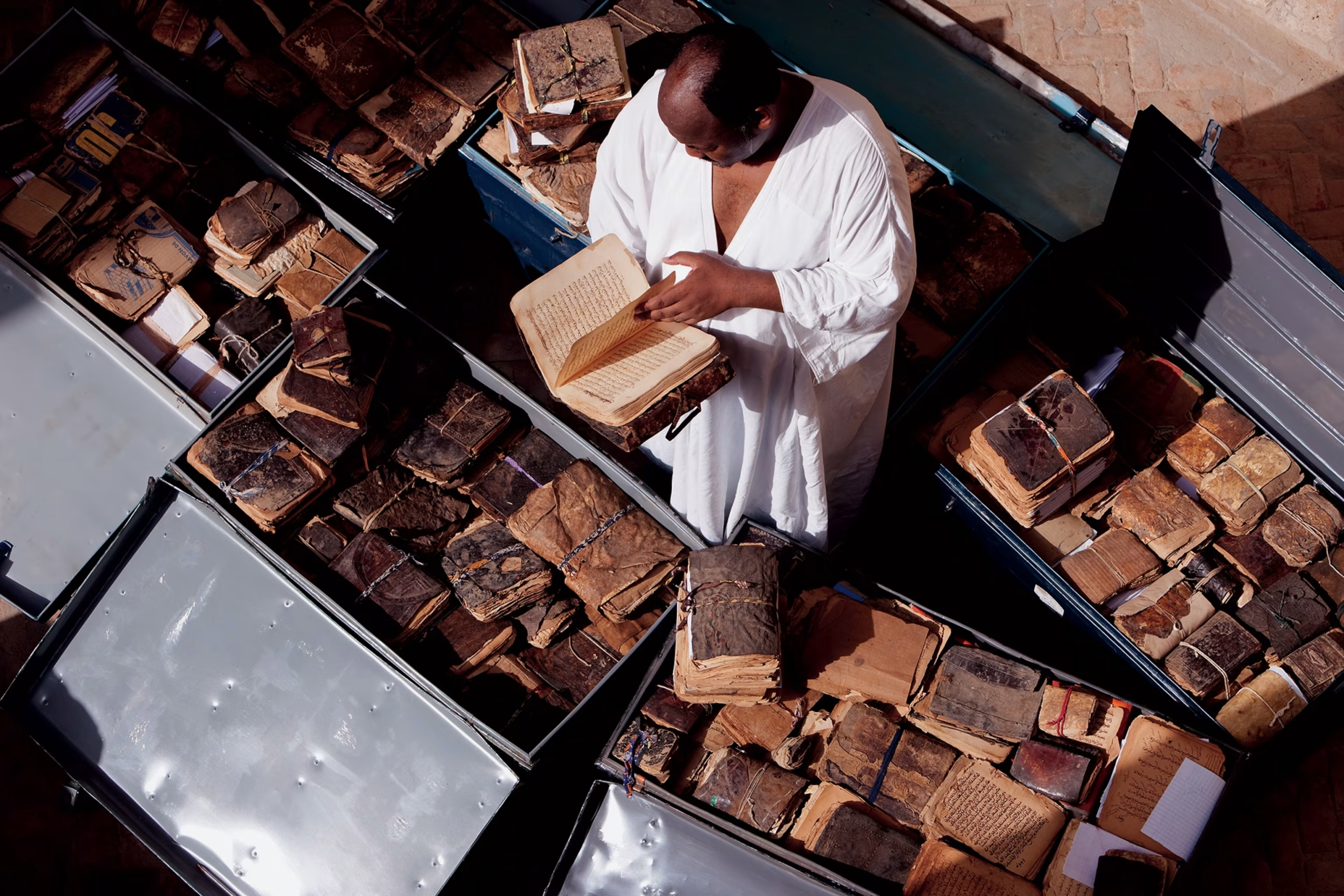
In dusty trunks, hidden beneath mud homes, or buried in desert caches, over 700,000 manuscripts—some dating back to the 11th century—have survived war, colonialism, and time itself. These manuscripts are not relics of myth; they are living proof that Africa was, and remains, a cradle of knowledge.
Written in classical Arabic and Ajami (African languages written in Arabic script), the manuscripts span topics as vast and complex as:
- Astronomy and mathematics
- Medicine and botany
- Law, ethics, and governance
- Philosophy and theology
- History and poetry
Timbuktu’s scholars didn’t just copy texts—they engaged with them. Thinkers like Ahmad Baba al-Timbukti, often called the “Shakespeare of Africa,” challenged orthodoxy and engaged with scholars across the Islamic world. He authored more than 40 books on jurisprudence, grammar, and ethics, and openly condemned the enslavement of Africans—a progressive stance for his time.
ALSO READ: From defender to dissenter: The malian man walking village to village to end FGM
Students travelled from as far as Egypt and Morocco to study in Timbuktu. The city operated on a meritocratic model of learning, where access to education and debate was open to those who sought it—not just the elite.
The narrative that Africa lacked writing, scholarship, or intellectual life before colonization has long been used to justify conquest and subjugation. Yet the existence of these manuscripts—and the sheer volume and quality of their contents—challenges that falsehood at its core.
Colonial powers ignored or dismissed these texts as irrelevant. Many were looted, destroyed, or left to decay. In the modern era, Timbuktu’s scholarly legacy was further threatened by extremists who attacked libraries and burned priceless archives in 2012 during the Malian conflict.
In the face of destruction, heroes emerged. Led by Dr. Haidara and supported by international partners, thousands of manuscripts were smuggled out of Timbuktu in secret, packed in metal trunks and carried by donkey, boat, and car across the desert. This effort saved nearly 95% of the known collection.
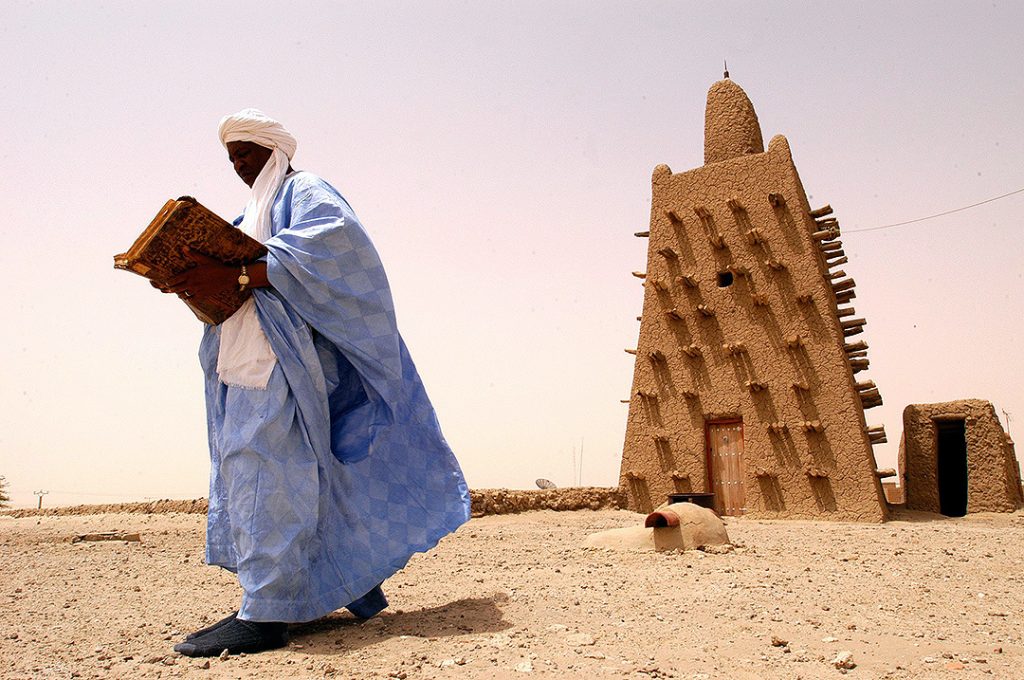
Today, organizations like SAVAMA-DCI, The Hill Museum & Manuscript Library, and Google Arts & Culture are working to digitize and preserve the manuscripts for future generations.
ALSO READ: CIA Chief Meets El-Sisi in Cairo as Iran, Gaza, Sudan and Somalia Dominate Talks
“We’re not just saving books—we’re reclaiming African memory,” says Dr. Haidara. But the work is far from over. Many manuscripts remain fragile, vulnerable to humidity and time. Local librarians and restorers in Mali continue their painstaking efforts, often with minimal funding and under difficult conditions.
Timbuktu’s intellectual tradition is more than historical curiosity—it is a powerful counter-narrative to the idea that Africa contributed little to global civilization. It reminds us that Africa was not just a land of kings and warriors, but also of philosophers, scientists, and jurists.
In a world struggling with identity, inequality, and cultural loss, Timbuktu stands as a reminder of the richness of African thought—and a call to restore what has been hidden for too long.
There are growing calls for African governments and educational institutions to integrate the teachings of Timbuktu into curricula, museums, and public discourse. Scholars hope that future generations will not only protect the manuscripts but also engage with them, drawing lessons on ethics, governance, sustainability, and social justice.