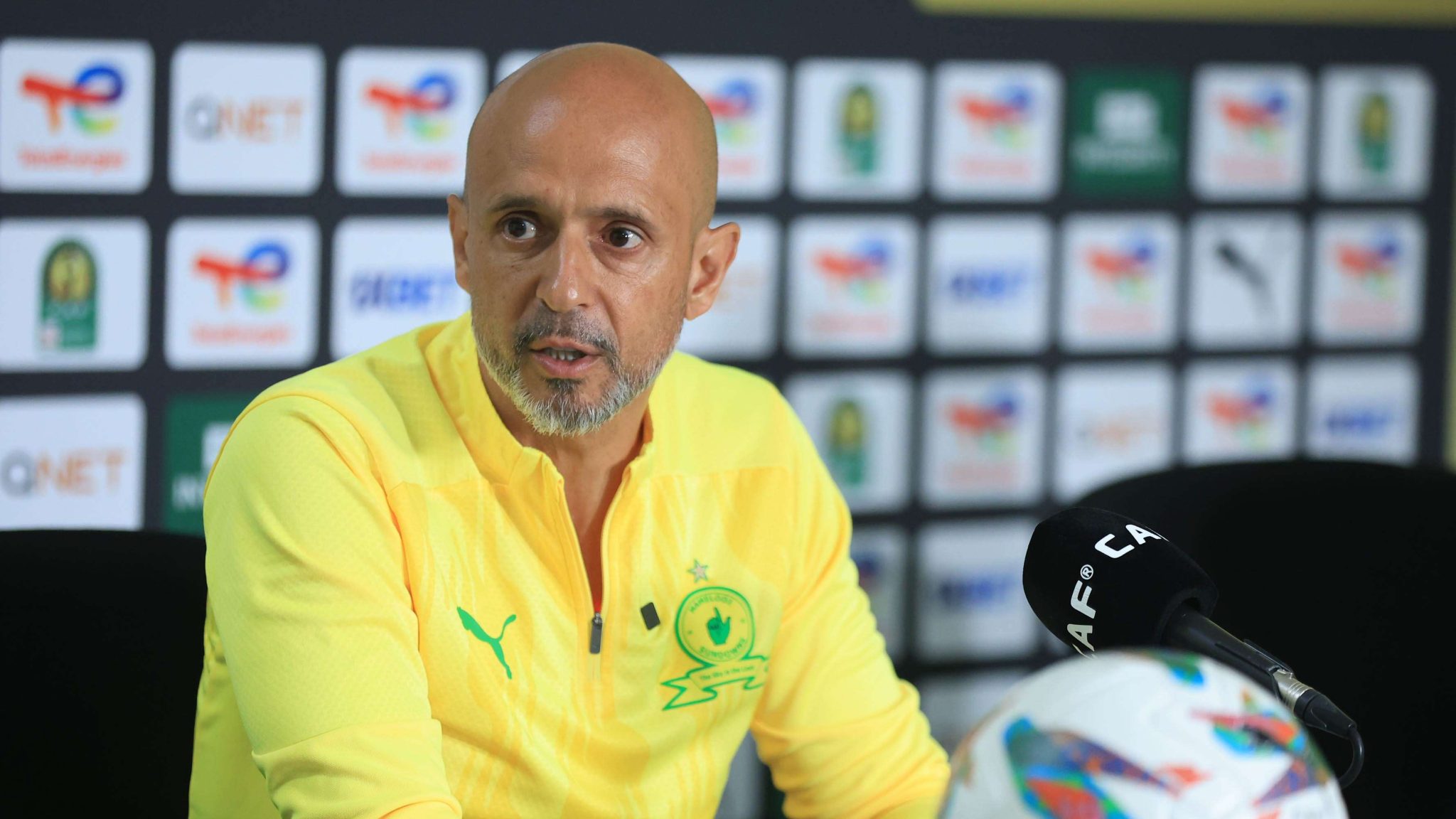
“The time for policy reviews is over. The World Bank must act now if it is serious about fighting poverty and supporting Africa’s development goals,” said NJ Ayuk

The African Energy Chamber (AEC) has made a renewed and urgent call for the World Bank to lift its ban on financing upstream oil and gas projects, warning that continued restrictions are exacerbating Africa’s energy poverty and holding back sustainable development across the continent.
In a statement released on Sunday, the AEC said it welcomes the World Bank’s decision to review the policy which was first introduced in 2017 but stressed that “reassessment is no longer enough” in the face of worsening electricity access for hundreds of millions of Africans.
“The time for policy reviews is over. The World Bank must act now if it is serious about fighting poverty and supporting Africa’s development goals,” said NJ Ayuk, Executive Chairman of the African Energy Chamber.
Africa’s Growing Energy Crisis
According to the International Energy Agency, around 600 million Africans still lack access to electricity. That number is expected to grow as the Covid-19 pandemic has reversed previous gains, with an estimated 30 million people losing access due to economic hardship and rising energy costs.
The AEC argues that fossil fuels—especially natural gas—must be part of the solution, alongside renewable energy, if Africa is to achieve universal electricity access, industrialization, and economic growth.
“We are proposing a logical and sustainable path: using our natural gas to meet current needs, generate revenue, and fund our transition to renewables,” Ayuk said.
He criticized what he described as a one-size-fits-all approach driven by “climate panic and fearmongering” that targets Africa unfairly, despite the continent contributing just 3% of global CO₂ emissions.
The Case for Upstream Oil and Gas Investment
While global institutions and many European governments have shifted away from fossil fuel development, the AEC insists that oil and gas remain critical tools for addressing Africa’s immediate energy needs and supporting long-term development goals.
Examples cited include:
- Mozambique’s 450 MW Temane gas-to-power project, already delivering electricity to local communities;
- Senegal’s gas-to-power programme, aimed at domestic energy independence;
- Nigeria’s Gas Master Plan, which focuses on infrastructure for gas monetization;
- Egypt’s expansion of gas-fired electricity generation, improving grid stability and industrial capacity.
The AEC also highlighted the transformative revenue potential of future projects:
- Mozambique could generate over $100 billion in natural gas revenues;
- Namibia’s offshore oil discoveries are projected to yield up to $3.5 billion annually at peak production—funds that could be channelled into schools, hospitals, infrastructure, and clean energy.
Shifting Global Trends
In recent months, financial trends have shown a softening stance toward oil and gas, particularly in the United States, where several major banks have begun relaxing Environmental, Social, and Governance (ESG) restrictions.
“If Wall Street is easing ESG rules and resuming upstream financing, it makes no sense for the World Bank to remain rigid,” said Ayuk. “This is not about denying the need for climate action—it’s about securing energy justice and lifting people out of poverty.
”
The AEC argues that modern gas infrastructure can serve as a “bridge fuel” reliable, scalable, and cleaner than coal while Africa builds out renewable energy systems. The group insists that a balanced energy mix is the only viable path to development.
A Moral and Economic Imperative
Universal access to affordable and reliable electricity is enshrined in the UN’s Sustainable Development Goals. The AEC maintains that ignoring upstream oil and gas development in Africa contradicts that mandate and risks deepening inequality.
“This is not just an economic necessity—it is a moral imperative,” the Chamber said.
The AEC is urging the World Bank to translate its policy review into concrete action, by supporting upstream development through loans, guarantees, and technical assistance in regions where energy poverty is highest.
The group concluded by stating that Africa deserves the same development rights as every other region: “We cannot transition from nothing. Africa must be allowed to power itself first—and oil and gas must remain part of the equation.”