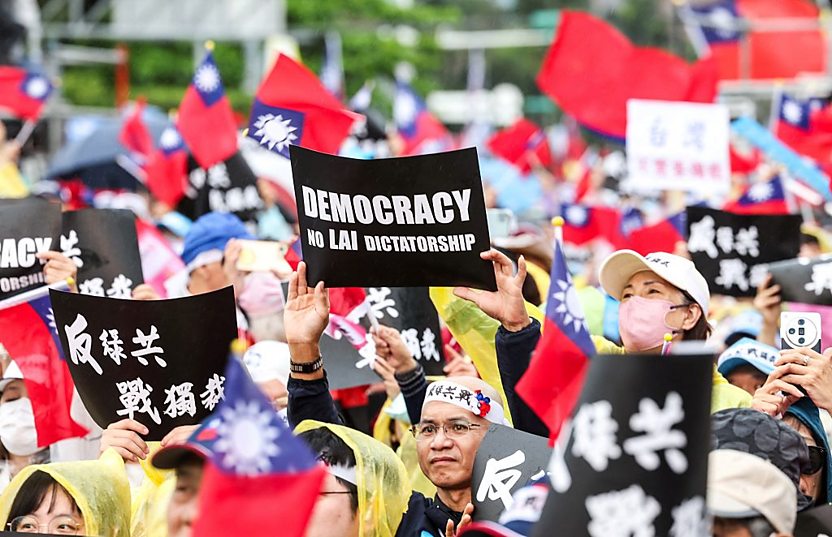
JOHANNESBURG, South Africa – As Taiwan prepares for one of its most consequential political moments in recent history, a mass recall referendum set for this weekend, an unexpected actor has entered the fray with a curious alignment of interests: the government and state media of China.
The recall votes target 24 lawmakers from the Kuomintang (KMT), Taiwan’s largest opposition party, which currently holds nearly half of the Legislative Yuan’s seats.
The recalls, initiated by civic groups claiming to defend Taiwanese interests against what they label “pro-China” politicians, could effectively shift the balance of power back toward President Lai Ching-te’s Democratic Progressive Party (DPP). But as the recalls gather momentum, Beijing’s vocal support for the KMT candidates is stirring controversy, adding new complexity to Taiwan’s already heated political landscape.
The Stakes
Taiwan’s parliament has been sharply divided since last year’s presidential election. Though Lai, a DPP leader, secured the presidency, his party lost its majority in the legislature.
The opposition, comprising the KMT and the smaller Taiwan People’s Party (TPP), has used its majority to impose budget cuts and block many government initiatives, notably hampering efforts to increase defence spending in response to rising Chinese military pressure.
The recall vote challenges nearly one-fifth of the parliament’s members, all from the KMT, a sweeping political test that could reshape Taiwan’s legislative future.
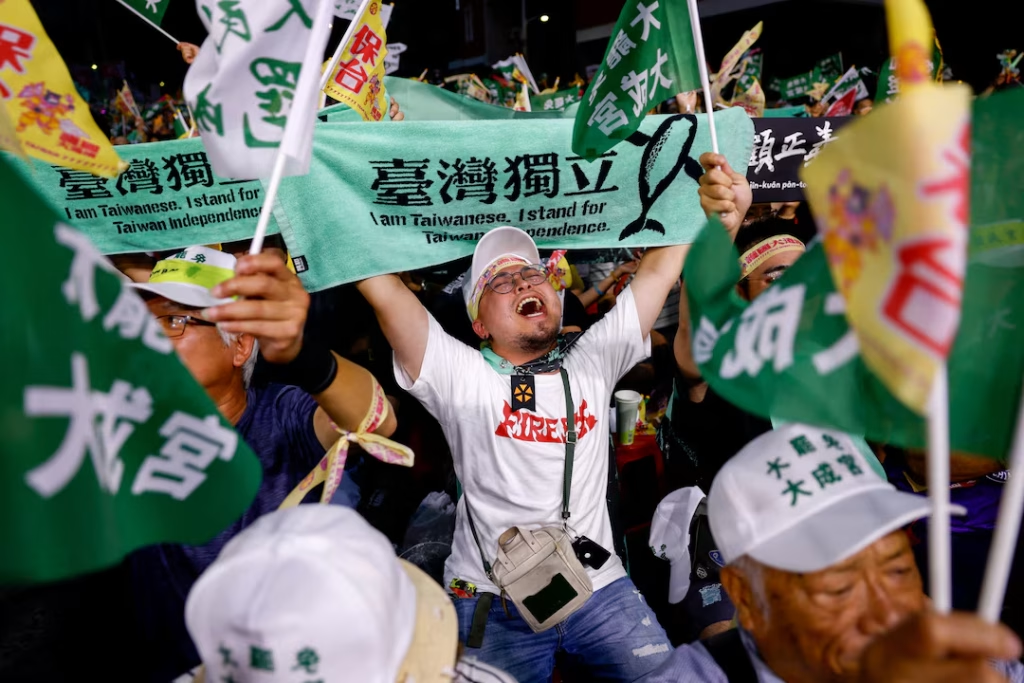
The recall requires that the number of votes supporting it exceeds those opposing and must surpass 25% of registered voters in the district. Success might prompt by-elections, potentially allowing the DPP to regain a legislative majority, if only temporarily.
China’s official government and its state-run media have openly criticised the recall movement, framing it as a political “scheme” orchestrated by the DPP to suppress opposition and establish what they call a “green dictatorship”, a reference to the party’s colour. Senior officials accused Lai’s government of hypocrisy and authoritarian tactics under the guise of democracy.
ALSO READ: How China’s new auto giants left GM, VW and Tesla in the dust
This unsolicited backing has revved up KMT supporters and complicated the party’s positioning. While the KMT insists it neither solicits nor wants China’s support, Beijing’s vocal defence helps reinforce accusations among opponents that the party is aligned with pro-Beijing interests.
Taiwanese tycoon and prominent recall campaigner Robert Tsao acknowledged Beijing’s influence openly.
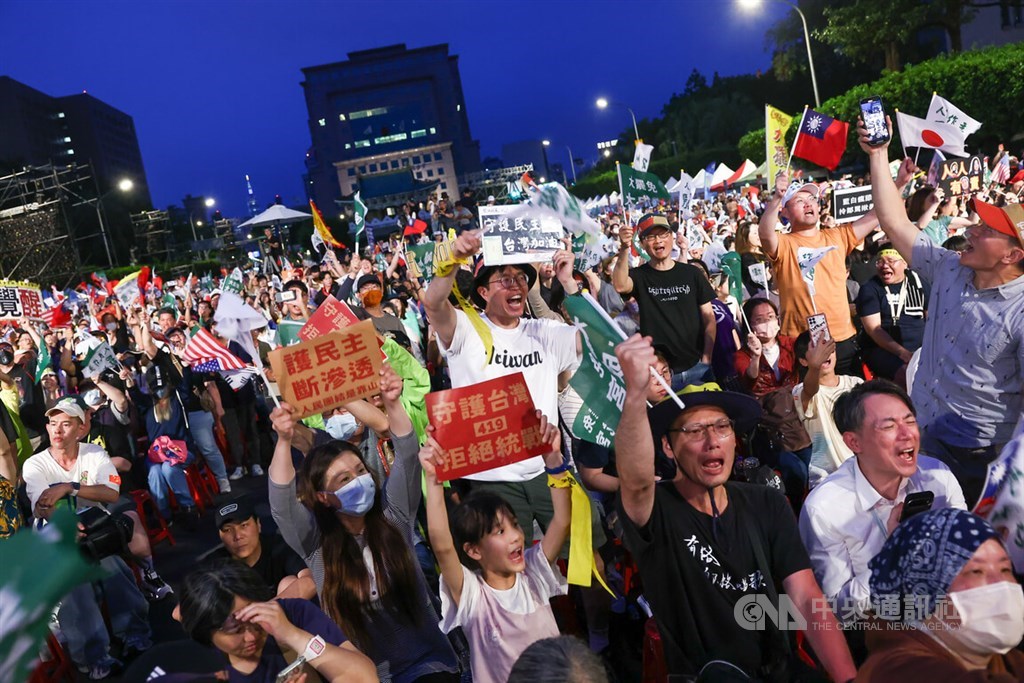
“Their comments help us. It confirms that the KMT and the Communist Party are together,” he said, turning China’s interference into a political weapon against the KMT’s critics.
The KMT rejects allegations of being “pro-China,” arguing their frequent dialogue with Beijing reflects a pragmatic need to keep lines of communication open, especially since the DPP refuses talks. Tony Lin, head of the KMT’s Culture and Communication Committee, said:
“We are pro-communication, not pro-Beijing.”
Still, analysts note this rhetoric underlines how China’s projection of power transcends military posturing, actively shaping Taiwan’s domestic political debates.
DPP’s Response and the Domestic Divide
For its part, the DPP insists the recalls are grassroots actions initiated by civic groups frustrated with what they see as the KMT’s undermining of Taiwan’s sovereignty and defence readiness. The DPP alleges the opposition stalls crucial defence budgets and fosters instability for its own political gain.
Party officials have actively campaigned against the recalls, warning that a KMT recall victory could lead to full legislative control by a party that, they argue, serves Beijing’s interests, a claim that the KMT vehemently denies.
Wu Szu-yao, secretary general of the DPP legislative caucus, decried Beijing’s role.
“China is offering ammunition to the KMT. They want to manipulate Taiwan’s election to weaken our resolve.”
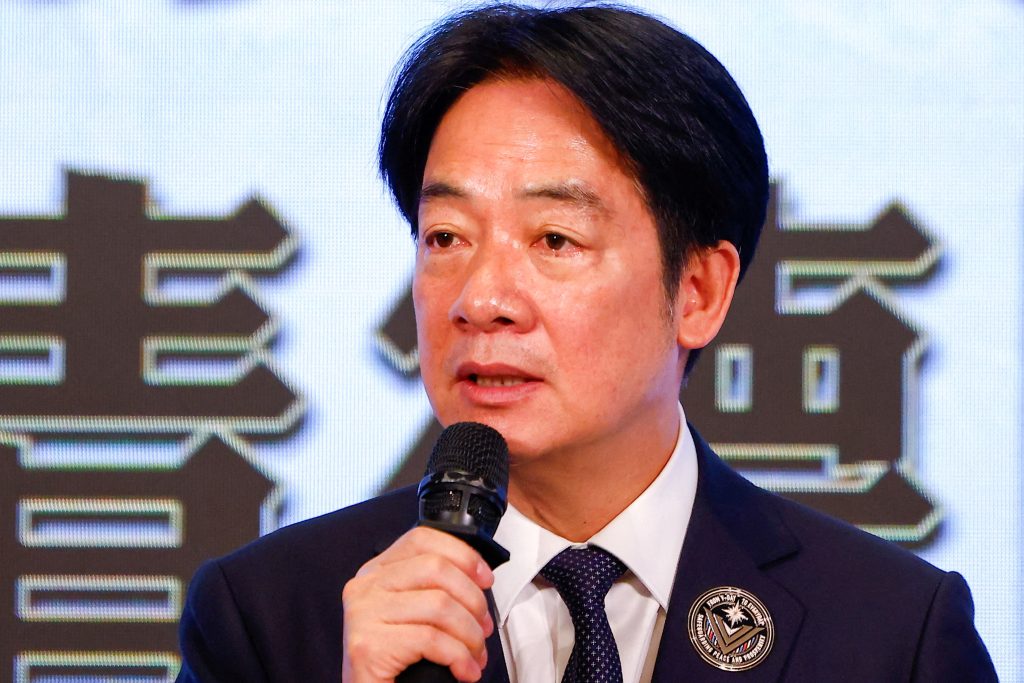
Meanwhile, the political climate remains tense, with both sides accusing each other of authoritarian tendencies, the DPP of “green terror” suppressing dissent, and the KMT of kowtowing to foreign influence.
Taiwan’s recall system allows voters to remove lawmakers who fail to meet public expectations. To initiate a recall, at least 10% of constituents must sign a petition, after which a formal recall election is held.
ALSO READ: BRICS Pushes for New World Order with Southern Leadership
This year’s recalls are the most numerous in Taiwan’s history. Alongside the 24 targeted KMT members this Saturday, seven others face recalls in late August.
Some KMT lawmakers facing removal represent “safe seats,” which could allow the party to re-contest and potentially reclaim lost ground. Yet, the recalls nonetheless underline widespread public dissatisfaction with the current political gridlock.
What’s Next?
As voters head to the polls, the outcome could redraw Taiwan’s political map at a moment when it faces unprecedented geopolitical challenges, including soaring Chinese military threats. A DPP legislative majority, even short-lived, would allow more aggressive defence spending and policy initiatives, but would likely deepen the KMT’s sense of marginalisation.
For now, Taiwan stands at a crossroads: wrestling with issues of sovereignty, democratic integrity, and the shadow of Chinese influence cast ever wider, not just across the seas but deep into the island’s election campaigns.
Taiwan’s recall election is the latest flashpoint in the broader contest between democratic self-determination and authoritarian territorial claims. How Taiwan navigates this internal political storm, under external pressure, is closely watched by governments worldwide as a barometer for cross-strait stability and regional security.
The recall vote reveals not only a vibrant democracy but also a complex balancing act: between hardening defences, maintaining open democratic debate, and resisting external interference that could undermine Taiwan’s sovereignty.