JOHANNESBURG – Israel’s decision to formally recognise Somaliland as an independent and sovereign state has triggered one of the most contentious diplomatic debates of the year, exposing deep divisions at the United Nations and reopening old questions about sovereignty, self-determination and geopolitical power in the Horn of Africa.
Announced on December 26, 2025, the move makes Israel the first country to recognise Somaliland since it declared independence from Somalia in 1991. Prime Minister Benjamin Netanyahu framed the decision as historic, presenting it as part of Israel’s broader effort to build new partnerships beyond traditional allies.
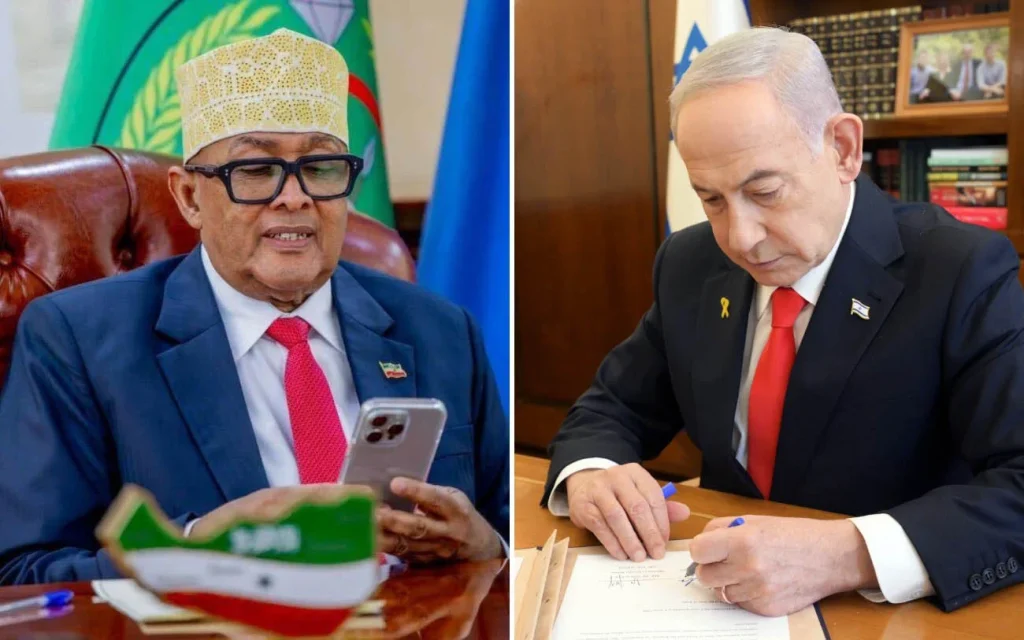
In a video call with Somaliland President Abdirahman Mohamed Abdullahi “Cirro,” the two leaders signed a joint declaration committing to full diplomatic relations, including the establishment of embassies and cooperation in security, technology, agriculture and trade.
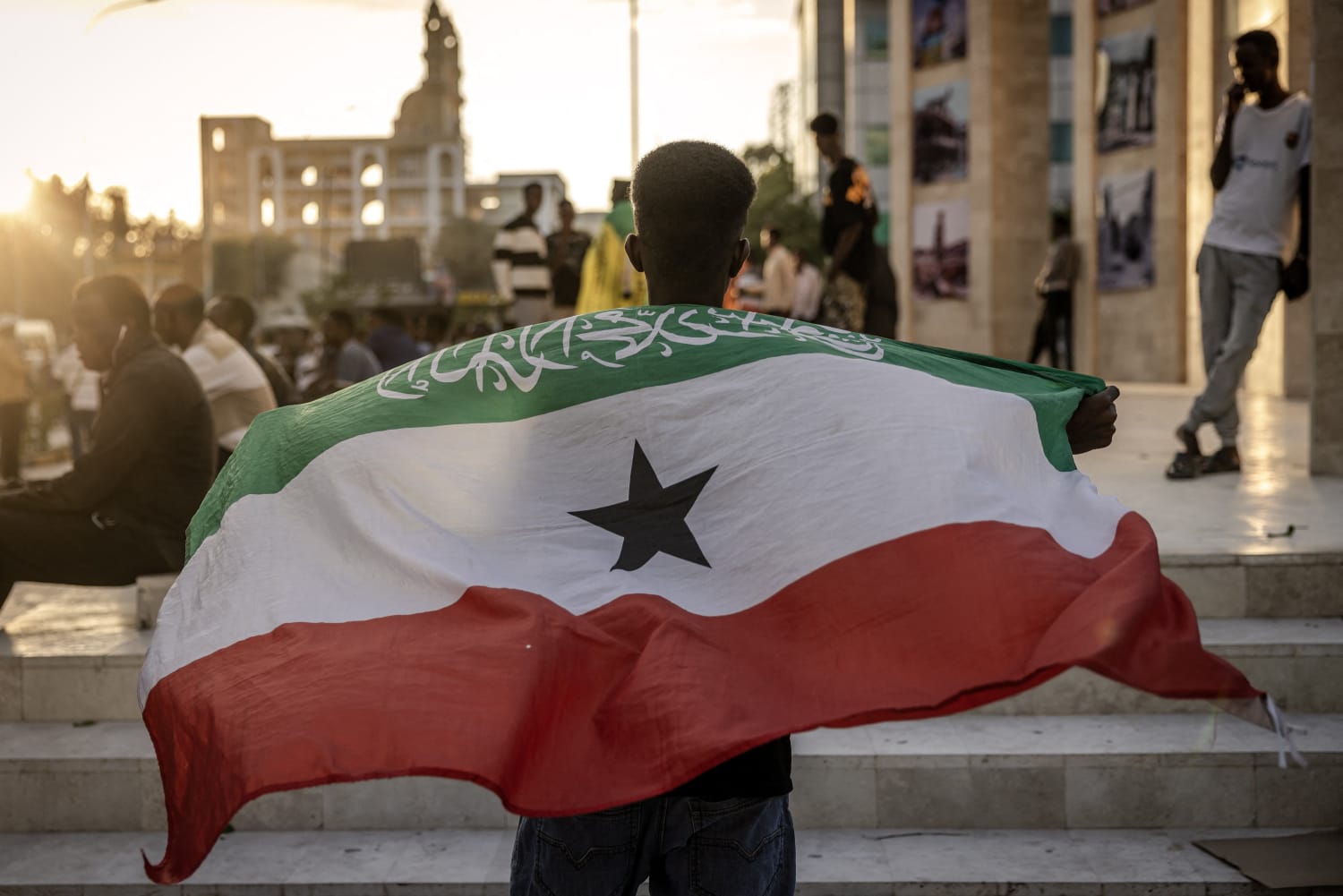
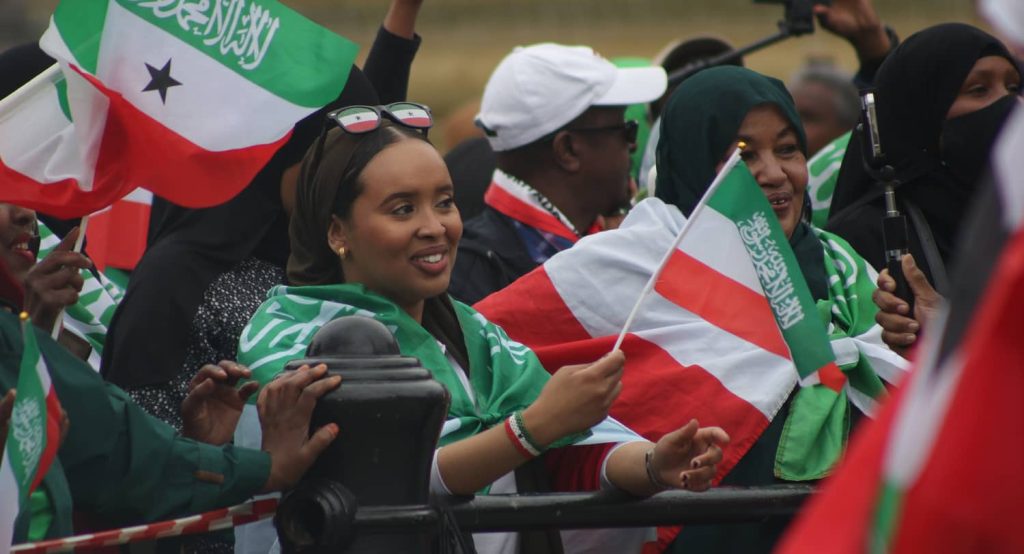
In Hargeisa, celebrations broke out almost immediately. For many Somalilanders, the recognition was seen as long-overdue validation of a political project that has survived for more than three decades without international backing. Unlike Somalia, which has endured prolonged conflict, insurgency and fragile federal governance, Somaliland has held elections, maintained its own currency and security forces, and built a reputation for relative stability.
ALSO READ: Somalis denounce Trump’s ‘garbage’ remark
But at the United Nations in New York, the mood was sharply different.
Israel defends its decision at the UN
At an emergency session of the UN Security Council this week, Israel defended its decision amid a barrage of criticism and suspicion. Israel’s Deputy UN Ambassador Jonathan Miller rejected claims that recognition was intended to undermine Somalia or inflame regional tensions.
“It is not a hostile step toward Somalia, nor does it preclude future dialogue between the parties,” Miller told the council. “Recognition is not an act of defiance. It is an opportunity.”
Israeli officials argue that Somaliland’s long-standing autonomy and internal governance justify recognition, and that engagement could promote economic development and stability in a volatile region. Israel has already indicated it wants to move quickly on cooperation in agriculture, health, technology and the broader economy.
Behind the diplomatic language, however, many council members voiced concern that Israel’s move was driven less by principle than by strategy.
Gaza, military bases and regional fears
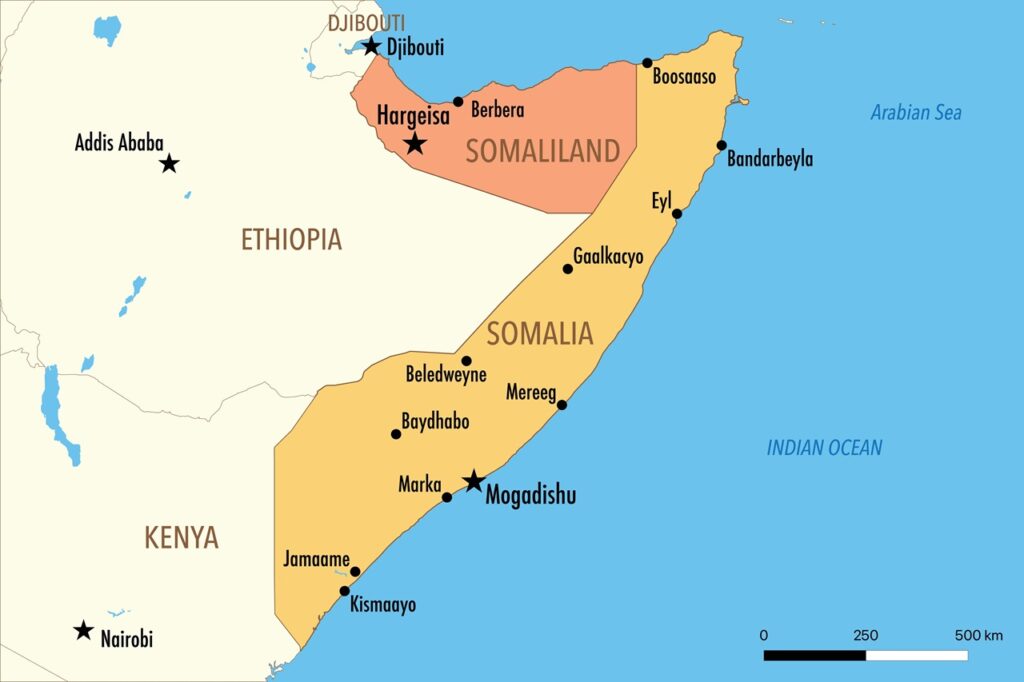
Several countries openly questioned Israel’s motives, linking the recognition to the war in Gaza and wider Red Sea security dynamics. Somaliland’s strategic location on the Gulf of Aden places it near vital shipping lanes that have been disrupted by attacks from Yemen’s Houthi movement, which has traded fire with Israel during the Gaza conflict.
The Arab League warned against what it described as “any measures arising from this illegitimate recognition aimed at facilitating forced displacement of the Palestinian people or exploiting northern Somali ports to establish military bases.” Its UN ambassador, Maged Abdelfattah Abdelaziz, said the decision risked dragging the Horn of Africa into Middle Eastern conflicts.
Pakistan echoed those concerns. Deputy UN Ambassador Muhammad Usman Iqbal Jadoon said Israel’s recognition was “deeply troubling” given earlier public speculation about relocating Palestinians from Gaza to other territories, including Somaliland.
Somalia’s UN Ambassador Abukar Dahir Osman went further, stating that Algeria, Guyana, Sierra Leone and Somalia “unequivocally reject any steps aimed at advancing this objective, including any attempt by Israel to relocate the Palestinian population from Gaza to the northwestern region of Somalia.”
ALSO READ: Rogue State: Israel’s Path to Self-Destruction and America’s Decline
Israel has not publicly responded in detail to those specific allegations. In March, both Somali and Somaliland foreign ministers said they had not received any formal proposal to resettle Palestinians. The United States has also insisted that no one will be forced to leave Gaza, in line with President Donald Trump’s stated peace framework.
Still, suspicion remains widespread, fuelled by Israel’s current coalition government, the most right-wing in its history, which includes politicians who openly advocate annexation of Palestinian territories and encouraging Palestinians to leave.
Somaliland versus Palestine at the UN
The debate also exposed a sharp contrast in how statehood claims are treated at the UN. As Israel defended its recognition of Somaliland, some diplomats accused Washington and Tel Aviv of double standards.
Deputy US Ambassador Tammy Bruce argued that the council’s focus on Israel reflected long-standing bias and distracted from its core mandate of maintaining peace and security. But Slovenia’s UN Ambassador Samuel Zbogar pushed back, drawing a clear legal distinction.
“Palestine is not part of any state. It is illegally occupied territory,” he said, noting that Palestine already holds observer state status at the UN. “Somaliland, on the other hand, is a part of a UN member state and recognising it goes against the UN Charter.”
That argument has resonated across Africa. The African Union, which has consistently defended colonial borders to avoid fragmentation, rejected Israel’s move outright. South Africa warned that recognition “validates fragmentation and risks a domino effect of instability” across the continent.
Somalia’s outrage and regional implications
In Mogadishu, the reaction was fierce. Somalia’s parliament passed a resolution declaring Israel’s recognition “null and void,” while President Hassan Sheikh Mohamud described it as a grave violation of sovereignty. Somalia has warned that the move could destabilise counter-terrorism cooperation and inflame already tense relations along the Somaliland border.
There are also fears that the recognition could complicate regional dynamics involving Ethiopia and the United Arab Emirates, both of which have economic interests in Somaliland’s Berbera port. Ethiopia, which relies on Berbera for access to the sea, has remained publicly silent, while the UAE is watching closely to see whether Israel’s move alters existing investment and security arrangements.
For Somaliland itself, the recognition is both a breakthrough and a gamble. On paper, diplomatic recognition could unlock foreign direct investment, formal banking access, air links and development finance that have remained out of reach. Berbera port alone is seen as a potential billion-dollar gateway for regional trade.
Yet many analysts caution that recognition by a single country, particularly one as polarising as Israel, may not be enough to change Somaliland’s practical isolation. Airlines, insurers and multilateral lenders are unlikely to shift their policies without broader international consensus.
There is also the risk that Somaliland becomes a geopolitical pawn, drawn into rivalries between Middle Eastern and global powers competing for influence along the Red Sea corridor. (Additional reporting by Reuters)