HARARE – China has moved to caution its companies operating in Zimbabwe, urging stricter risk management and legal compliance after Harare abruptly suspended exports of raw minerals and lithium concentrates, a decision that is already reverberating through global energy markets.
The warning, issued by the Chinese embassy in Harare, calls on firms to carry out “comprehensive” risk assessments, comply with local regulations and prepare for policy volatility before committing further capital. The guidance follows Zimbabwe’s February decision to halt exports with immediate effect, citing widespread “malpractices and leakages” in the mining sector.
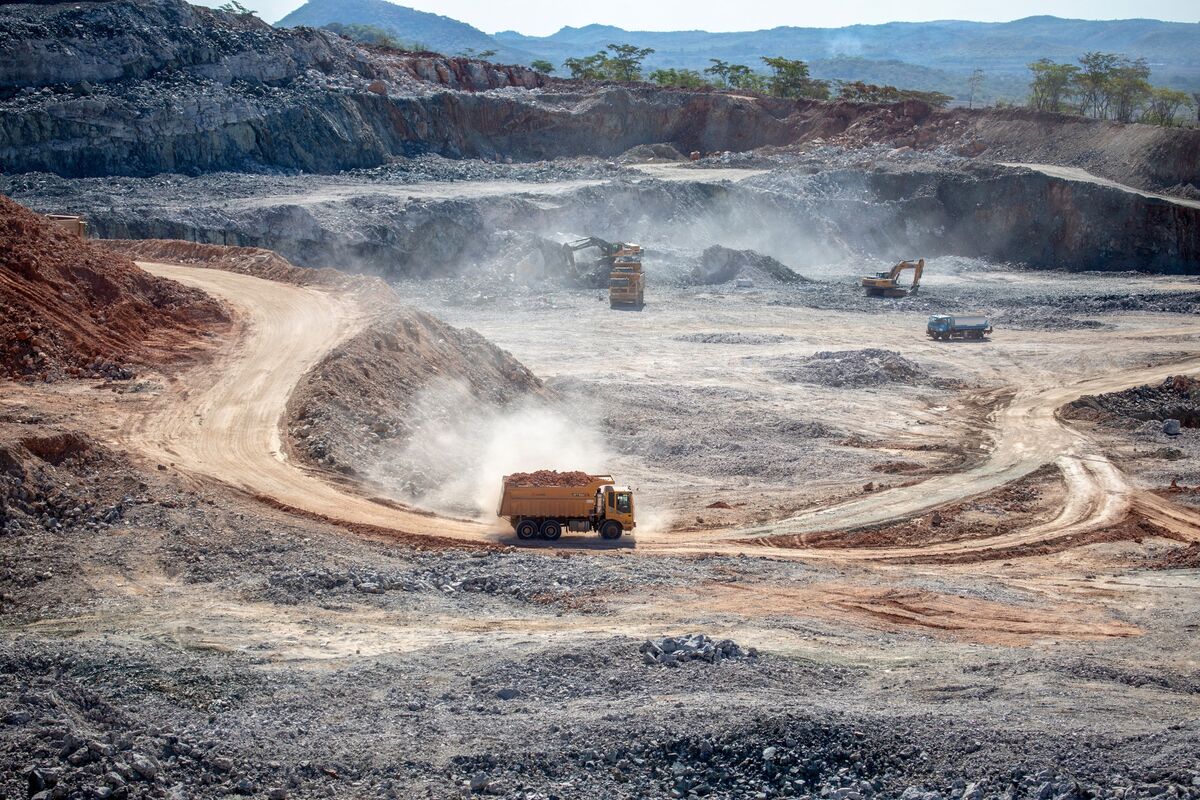
Zimbabwe’s lithium industry has become heavily dependent on Chinese investment, with companies such as Zhejiang Huayou Cobalt, Sinomine Resource Group and Chengxin Lithium Group playing a central role in mining and processing.
Since 2021, Chinese battery metals firms have invested more than $1.4 billion in Zimbabwe’s lithium sector, reinforcing Beijing’s grip on a mineral critical to electric vehicle batteries and energy storage systems.
That dependence cuts both ways. Zimbabwe exported more than 1.12 million tonnes of lithium-bearing concentrate in 2025, most of it destined for Chinese refineries, accounting for a significant share of China’s imports.
ALSO READ: Congo Dangles Critical Minerals to US as Kinshasa Seeks to Rebalance Global Partnerships
The export ban marks a sharp escalation of Zimbabwe’s long-standing push for beneficiation, a policy aimed at forcing miners to process minerals locally rather than exporting raw materials.
Authorities had already planned to ban lithium concentrate exports from 2027, but the sudden suspension brings that timeline forward dramatically.
Officials argue the move is necessary to curb revenue leakages and ensure Zimbabwe captures more value from its resources through refining, job creation and taxation.
The policy aligns with a broader continental trend. At least a dozen African countries have introduced export restrictions on critical minerals in recent years as governments seek to move up the value chain.
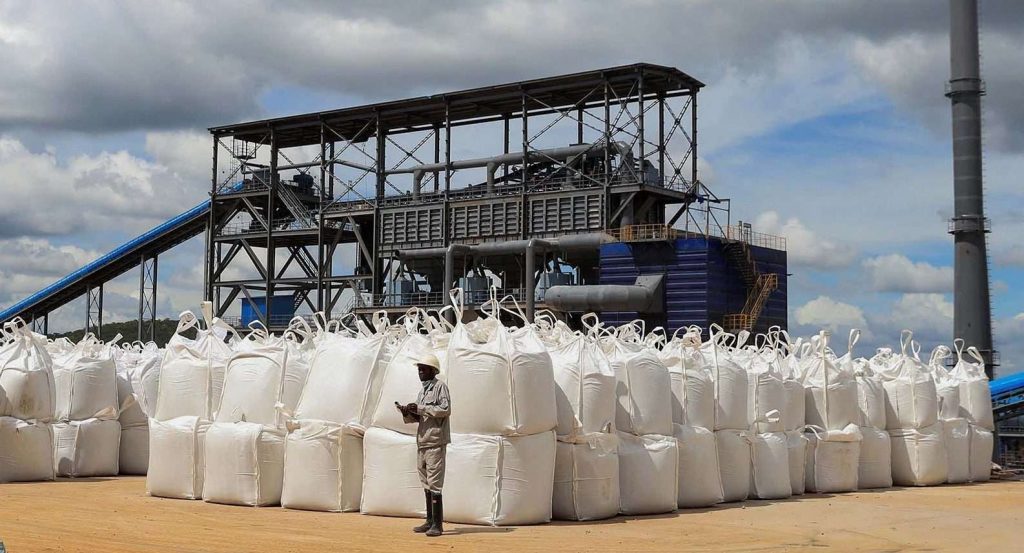
Markets reacted quickly. Lithium prices in China surged following the announcement, reflecting concerns over supply disruptions at a time of rising demand for battery storage and electric mobility.
Analysts warn the impact could extend beyond short-term price volatility. Zimbabwe is a significant global supplier, and disruptions to its exports risk tightening supply chains that are already under pressure from the energy transition.
The country accounted for a meaningful share of global lithium production and has rapidly expanded output in recent years, largely driven by foreign capital.
While the government’s beneficiation strategy is clear, implementation remains complex. Zimbabwe currently lacks sufficient domestic processing capacity to absorb all its lithium output, raising uncertainty for miners and investors in the short term.
ALSO READ: Inside the mine that feeds the tech world – and funds Congo’s rebels
Chinese firms, many of which built their business models around exporting concentrate to China for refining, are now being forced to accelerate plans for local processing facilities.
Projects are already underway. Companies such as Huayou and Sinomine are investing in lithium sulphate plants, a key intermediate step in producing battery-grade materials, but these facilities are still scaling up.
Beijing’s advisory also reflects growing concerns about operating conditions in Zimbabwe. Chinese mining firms have faced criticism from local civil society groups over environmental and labour practices, adding reputational pressure to regulatory uncertainty.
The embassy’s message signals a more cautious stance from China, emphasising legal safeguards and risk mitigation as geopolitical and policy risks intensify.
The outcome will have implications well beyond Zimbabwe. As demand for lithium continues to rise, the country’s policy experiment is likely to shape how other African nations manage their critical mineral resources and negotiate with global investors.