Participants expressed a wide range of views, with some backing the proposed changes as a path to stability, while others raised concerns.

HARARE – Thousands of Zimbabweans have turned out across the country as public consultations begin on the proposed Constitution of Zimbabwe Amendment Bill No. 3, a piece of legislation that could significantly reshape the country’s electoral system and governance framework.
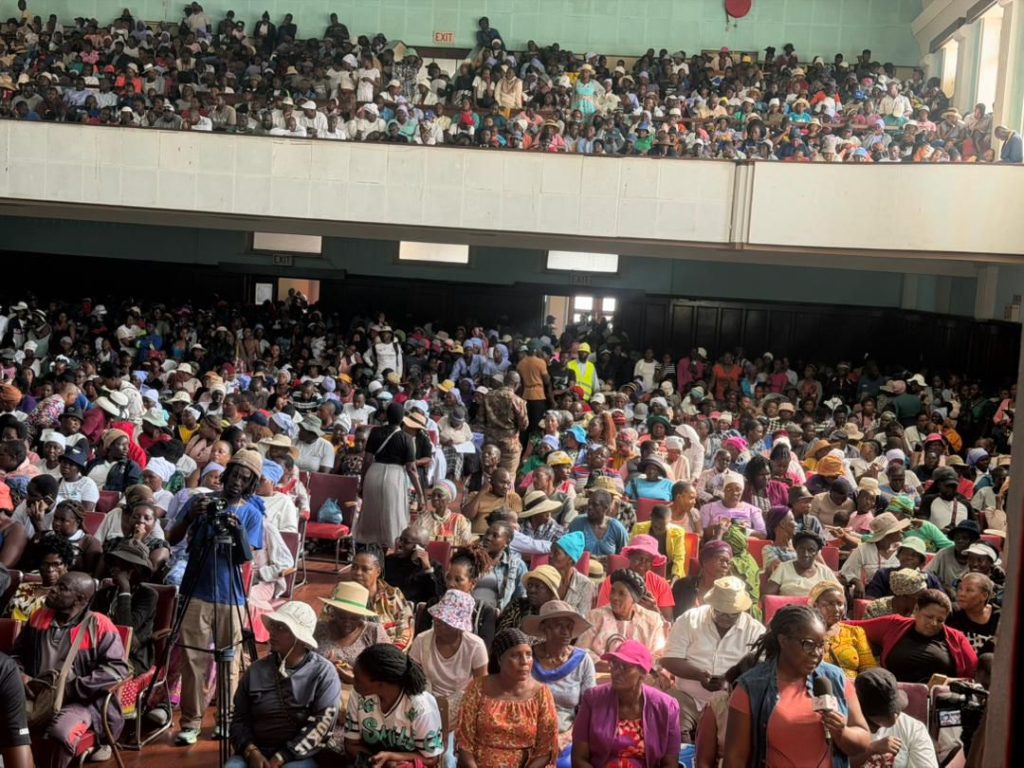
From urban centres like Harare and Bulawayo to rural districts such as Gokwe South, citizens have gathered in large numbers to engage Parliament on proposals that include extending presidential and parliamentary terms from five to seven years and revisiting how the President is selected.
The hearings, led by the Parliament of Zimbabwe, are scheduled to run until April 2 and have quickly become a focal point of national debate, reflecting both public interest and deep divisions over the proposed reforms.
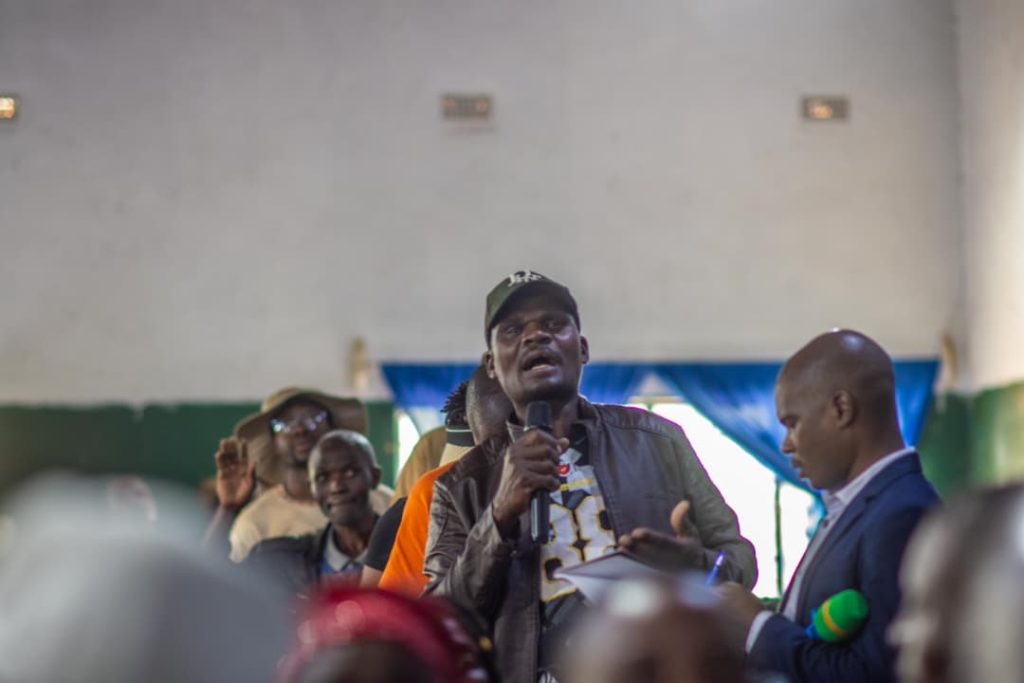
In Bulawayo, crowds began forming as early as 5 a.m. at the City Hall, with the venue quickly reaching capacity. Similar scenes played out in Seke district, where residents gathered at Dema Business Centre to make submissions to the Parliamentary Portfolio Committee on Justice, Legal and Parliamentary Affairs.
Participants expressed a wide range of views, with some backing the proposed changes as a path to stability, while others raised concerns about constitutional process and accountability.
READ MORE: Zimbabwe Gears Up for Big Say on Constitution Amendment Bill No.3
“We are here to ensure the law reflects our needs. If seven years provides the consistency needed for economic growth, then it is a path worth exploring,” one Bulawayo resident said.
Others framed the proposal in the context of Zimbabwe’s history of election-related tensions. Edith Matsambi from Mashonaland Central said longer terms could reduce political violence.
“The reason I am in favour of the Constitutional Amendment Bill 3 is that we are facing serious challenges every time elections take place. So, the President should continue in office for longer, even up to 10 years. We have seen our young people butcher each other, getting arrested, or even disappearing mysteriously because of violent elections. So, if we have a President in office longer, it is better,” she submitted.
Dzorai Mashungu from Bulawayo also added that she was in support of the Bill, particularly Clause Number 4, which says: “Amendment of Section 100 to delete the word ‘first’ before ‘Vice President’. This concept was repealed by Constitutional Amendment Number 2.”
“I am in support of the bill, particularly Clause Number 4, which seeks to fix the wording on Section 100. The amendment to fix and remove the word is a great step, which will then make all our vice presidents equal in power,” Mashungu said.
However, opposition to the Bill was also evident, particularly around how such changes should be adopted.
Samuel Nogerere, a student from Bindura University, argued that constitutional amendments of this scale should go to a national vote.
He said Section 67 of the Constitution allows citizens to express their views on any adjustments and changes. He said he discovered that the Constitution is the property of the people and not the property of Parliament. He said he was against the Bill because it did not go through a national referendum.
READ MORE: Why Defence Forces Must Act Within Constitution, Not Act As Its Guardians Or Interpreters
“If there are any changes to be made to the Constitution of Zimbabwe, the voices of the people must be heard and considered. Everyone in here must be respected despite political affiliation. I submit, protected by section 67 and section 328, the Constitution stipulates that if there are any changes, they must go through a referendum, and everybody must put their voice there. All Parliamentarians are deployees of the people, and so, their power comes from the people. Any adjustment, they must acquire from the people,” he said.
In rural areas, the tone of the consultations has been more measured, with many communities approaching the process as an opportunity to better understand the proposed changes.
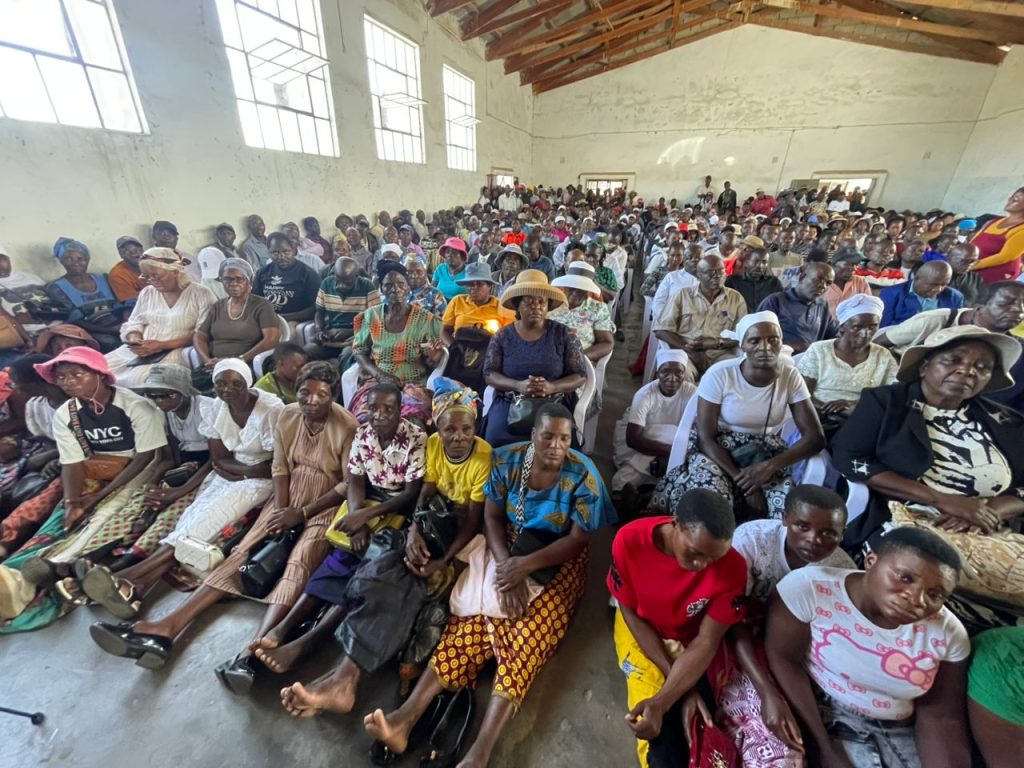
At Cheziya Hall in Gokwe South, villagers engaged in detailed discussions with parliamentary representatives, focusing on how the proposed seven-year electoral cycle and governance reforms would affect development at the local level.
A local farmer, Ephraim Sibanda, said they were not there just to say ‘yes’ or ‘no’.
“We are here to understand. We want to know how these laws will ensure that the development projects we see starting now, like the dams and the roads, are not interrupted by the heat of frequent elections,” he said.
Across several districts, participants argued that the current five-year cycle often leaves governments operating in what they described as “constant election mode,” where long-term infrastructure projects struggle to reach completion.
The Constitution of Zimbabwe Amendment Bill No. 3 builds on previous constitutional changes and introduces proposals that could alter both the duration of political terms and elements of the electoral system.
Among the most debated provisions are:
● Extending presidential and parliamentary terms from five to seven years
● Considering a shift from direct presidential elections to a parliamentary selection model
● Expanding the composition of the Senate to include additional members with technical expertise
Legal experts note that under Zimbabwe’s constitutional framework, not all amendments require a referendum. While certain entrenched provisions must be put to a national vote, others can be enacted through a parliamentary process combined with public consultation.
Officials at the hearings have emphasised that the current process complies with constitutional requirements, a clarification that appeared to ease some concerns during sessions in Chitungwiza.
Parliamentary representative at the venue, Omega Hungwe, said: “This is democracy in action. We are not just making laws in a vacuum; we are making them with the people.”
Zimbabwe’s constitutional framework has been a subject of ongoing reform since the adoption of the Constitution of Zimbabwe, which introduced term limits, strengthened civil liberties, and restructured state institutions.
Previous amendments, including Constitutional Amendment No. 2 in 2021, drew significant debate for changes affecting judicial appointments and governance structures. Amendment No. 3 now enters that same contested space, with questions around executive power, electoral accountability, and democratic participation at the centre of public discourse.
Analysts say the current debate reflects broader tensions between the need for policy continuity and concerns about concentrating political power.
Supporters argue that longer terms could provide governments with the time needed to implement large-scale infrastructure and economic programmes. Critics, however, warn that extending terms or altering electoral mechanisms could weaken direct accountability to voters.