KAMPALA – Uganda is considering a significant constitutional shift that could extend presidential and parliamentary terms from five to seven years, a proposal that has triggered sharp political and legal debate across the country.
The Ministry of Justice and Constitutional Affairs has confirmed that the proposal is under active consideration, positioning it as part of a broader review of governance structures.
Under Uganda’s current constitutional framework, both the president and Members of Parliament serve five-year terms. The proposed amendment would lengthen that cycle to seven years, effectively reducing the frequency of elections and extending the tenure of elected leaders.
While government officials have not publicly detailed the full rationale, proponents argue that longer terms could provide greater policy continuity and reduce the financial and administrative burden of frequent elections. The idea is not entirely new; similar proposals have surfaced periodically in Uganda’s political discourse over the years.
ALSO READ: Zimbabwe Gears Up for Big Say on Constitution Amendment Bill No.3
The latest push, however, comes at a sensitive political moment, just months after President Yoweri Museveni secured another term in the 2026 general election, extending his rule that began in 1986.
The proposal has already met strong resistance from legal bodies and civil society. The Uganda Law Society has warned that extending political terms risks undermining democratic accountability and could trigger a constitutional crisis.
In a statement, the body cautioned that such a move could “erode constitutional safeguards” and provoke legal challenges, reflecting broader concerns about democratic backsliding.
Critics argue that longer terms would weaken electoral oversight by reducing the frequency with which leaders must seek a public mandate. They also point to Uganda’s recent history of constitutional amendments, including the removal of presidential age and term limits, as evidence of a pattern that concentrates power in the executive.
ALSO READ: Zimbabweans Continue to Make Their Voices Heard at Constitutional Hearings
The debate unfolds against a backdrop of heightened political tension following the 2026 elections, which were marred by allegations of repression, restrictions on media and internet access, and disputes over the credibility of the results.
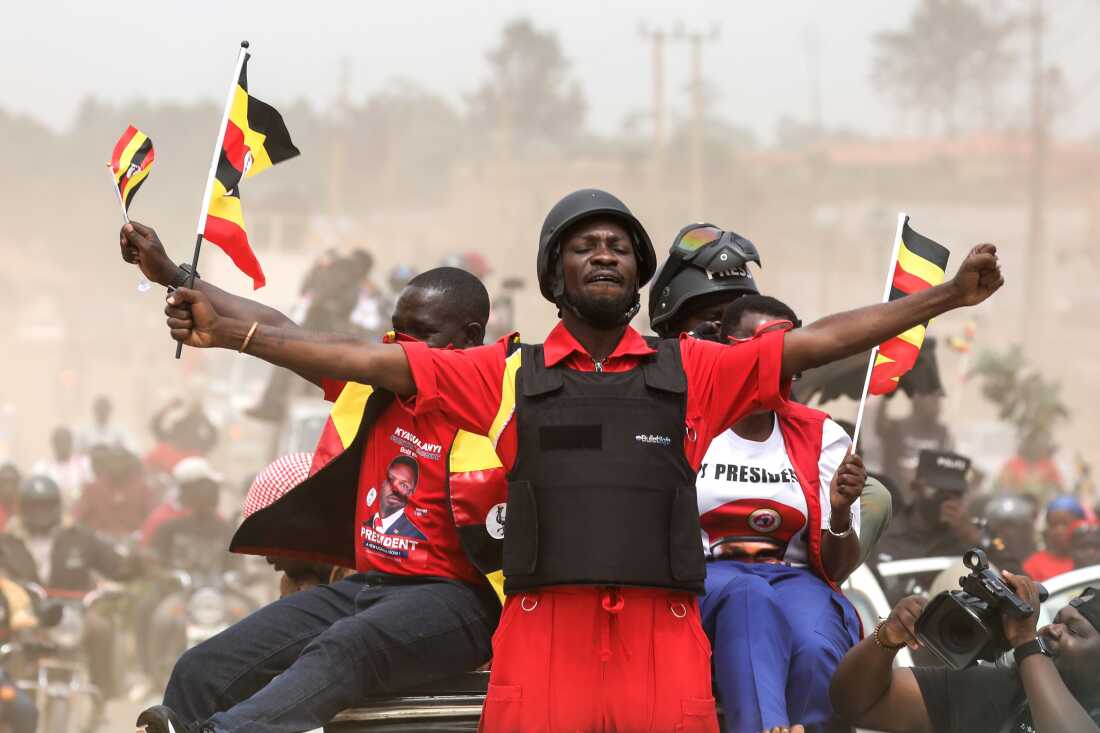
Opposition figures, including Bobi Wine, have repeatedly accused the government of undermining democratic processes, claims the authorities deny. The proposed extension of terms is therefore being interpreted by some analysts as part of a broader struggle over the future of Uganda’s political system.
For the proposal to take effect, it would need to be introduced as a constitutional amendment bill and passed by Parliament, likely requiring significant political backing.