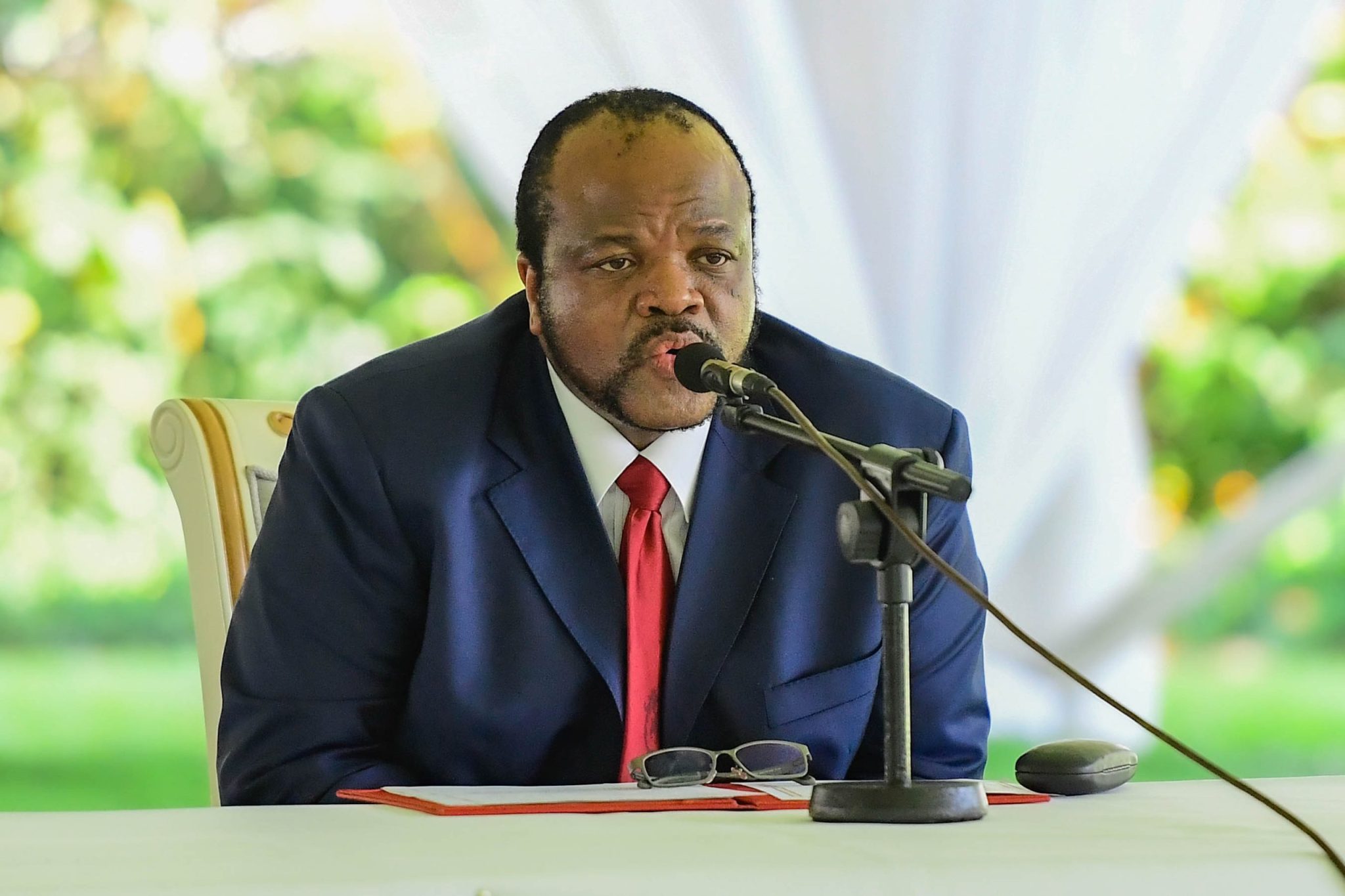
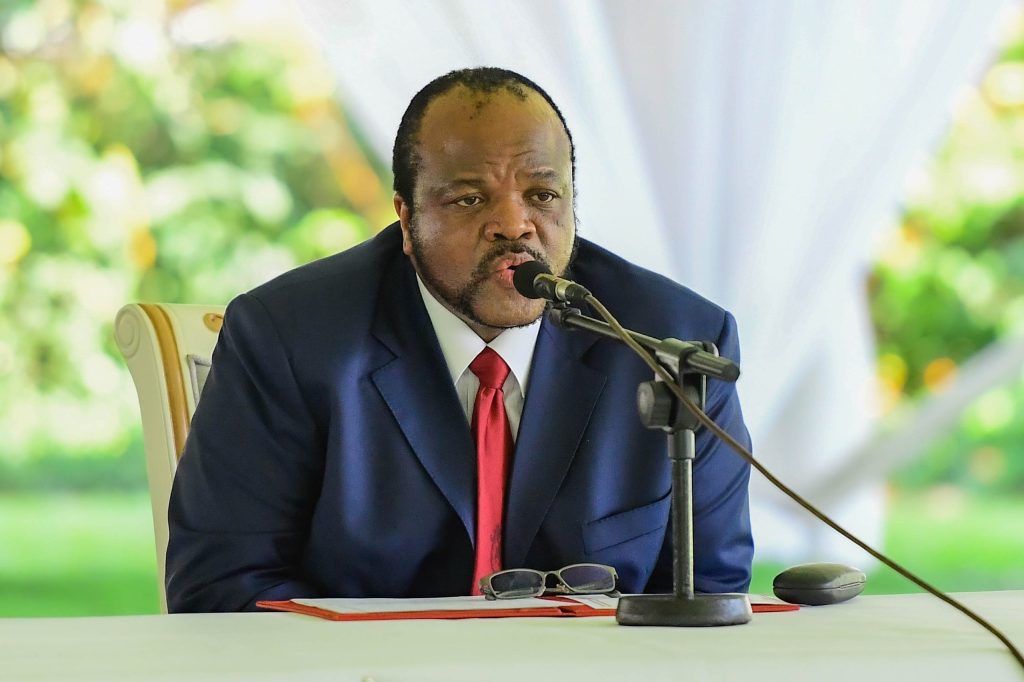
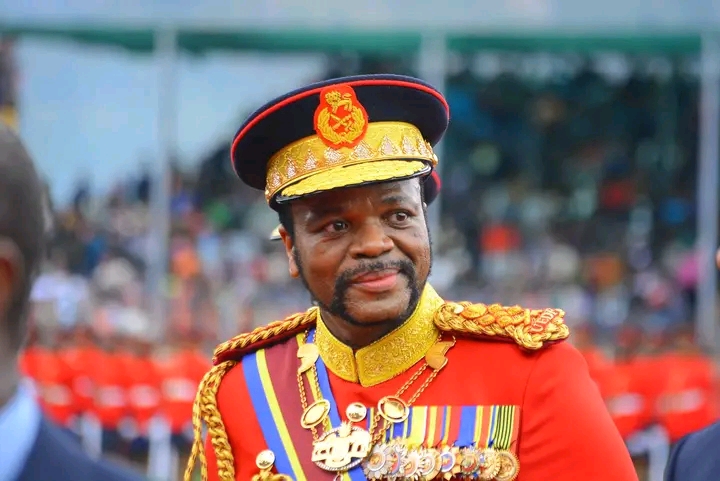
DURBAN — King Mswati III’s arrival in Durban for the 46th SADC Summit was about more than another appearance by a regional head of state. It marked Eswatini’s assumption of one of the Southern African Development Community’s most politically sensitive responsibilities.
As the saying goes, to whom much is given, much is required.
Eswatini has taken over the chairpersonship of the SADC Organ on Politics, Defence and Security Cooperation, a role that places the kingdom at the centre of the bloc’s efforts to manage political crises, security threats and conflicts across the region.
The handover was formalised on the sidelines of the summit, with Malawi, represented by Second Vice President Enoch Kanzingeni Chihana, concluding its tenure as Organ Troika chair and passing the responsibility to Eswatini.
For those unfamiliar with the Organ, it is essentially SADC’s political and security coordination mechanism. Its mandate covers issues that can threaten the stability of member states and the wider region, including political crises, conflict, security threats, elections and cooperation on peace and stability.
Closing the Organ Troika Summit in Durban, Chihana said the outcomes reflected the region’s shared commitment to strengthening peace, security, constitutional order and stability.
He also pointed to Eswatini’s preparedness for the role, noting that the kingdom had already demonstrated its capacity by leading a SADC Electoral Observation Mission to Malawi during that country’s general election.
The 46th Ordinary SADC Summit, hosted and chaired by President Cyril Ramaphosa as South Africa formally assumed the bloc’s chairpersonship for the 2026/27 term, was held under the theme: “Resilient, Sustainable and Inclusive Industrialisation through Infrastructure Development, Agricultural and Critical Minerals Transformation in Pursuit of a Just World.”
According to the SADC Secretariat, the theme places infrastructure, agriculture and critical minerals at the centre of the region’s industrialisation ambitions, with the broader goal of building an economically competitive, climate-resilient and socially inclusive Southern Africa.
But those ambitions depend heavily on another factor: stability.
More than a security role
The Organ is not simply a military command structure, and Mswati’s new position does not mean he will be directing troops.
His responsibility is primarily political. He will help provide direction and facilitate coordination among member states when regional crises threaten peace and stability.
That makes the timing of Eswatini’s appointment particularly significant.
Southern Africa continues to face serious political and security challenges, most notably the conflict in the eastern Democratic Republic of Congo and the political crisis in Madagascar. Both issues have featured prominently in recent Organ Troika deliberations, including an extraordinary summit convened in June.
READ MORE: Eswatini Takes Centre Stage as Shakantu Prepares to Lead SADC Security Organ
Briefing the Organ committee in Durban, SADC Executive Secretary Elias Magosi said the region remained relatively peaceful and stable, while acknowledging that the bloc continued to closely monitor developments in the DRC and Madagascar.
Mswati’s role will therefore be less about commanding forces and more about helping SADC member states find common ground when instability threatens regional peace.
The Organ brings together foreign affairs, defence and security structures, creating a platform through which member states can coordinate their responses to political and security challenges.
Eswatini’s own political record
For Eswatini, however, the appointment carries an added political weight.
The kingdom, Africa’s last remaining absolute monarchy, has faced sustained criticism from human rights organisations over its political system, including the banning of political parties and the government’s handling of the 2021 pro-democracy protests.
Security forces killed and injured demonstrators during the unrest, while questions over accountability have continued.
Human Rights Watch has also raised concerns over the lack of accountability for the crackdown and the 2023 killing of human rights lawyer Thulani Maseko.
That record means Mswati’s leadership of a SADC body responsible for politics, defence, security and regional stability is likely to attract scrutiny.
READ MORE: Eswatini receives four more third-country nationals from the United States
It also places Eswatini in a potentially uncomfortable position. SADC has previously called for an inclusive national dialogue in the kingdom, while Eswatini will now be expected to help guide the regional response to political crises in other member states.
The contradiction will not be lost on observers.
A test of leadership
Eswatini has nevertheless signalled that it intends to approach the responsibility through consultation rather than unilateral action.
Speaking ahead of the handover at a meeting of the Organ’s Ministerial Committee in Malawi, Foreign Affairs Minister Pholile Shakantu said Eswatini remained committed to principled, inclusive and collaborative leadership.
She pledged that the kingdom would work closely with the Organ Troika partners, member states and the SADC Secretariat to advance its mandate.
That approach will be important because the challenges facing the region cannot be resolved by one country acting alone.
The broader summit in Durban focused heavily on industrialisation, infrastructure, agriculture and economic development, alongside discussions on the proposed SADC Regional Development Fund and other regional integration priorities.
Yet none of these ambitions can be realised without a stable political and security environment.
That is ultimately why Mswati’s new role matters.
Eswatini is moving into a position where regional political crises and security challenges, from the DRC and Madagascar to emerging threats elsewhere, will increasingly require its leadership and coordination.
The real test will be whether the kingdom, despite its own contested record on political reform, can build the consensus SADC needs when it confronts some of its most difficult political and security disputes.