ADDIS ABABA – Amnesty International has urged the African Union to convene an emergency session on Ethiopia, warning that renewed fighting in Tigray and neighbouring regions is endangering civilians and threatening the peace agreement signed in Pretoria nearly four years ago.
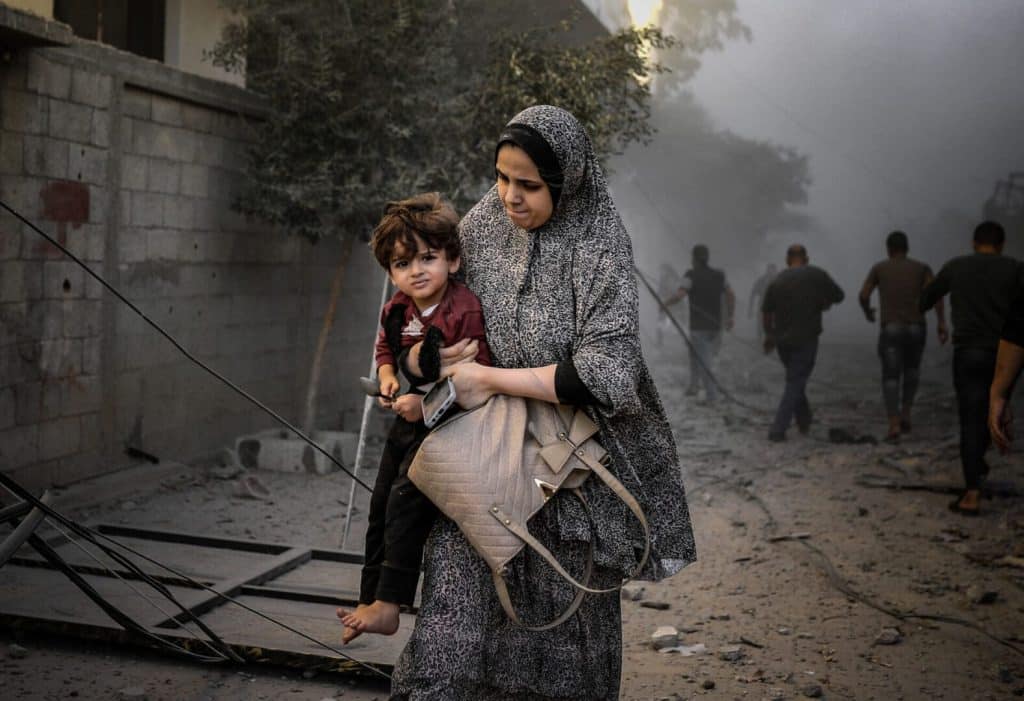
In a statement issued on Friday, the organisation said it had received credible reports of civilian property destroyed by shelling and air strikes, intensified forced conscription and other possible violations of international humanitarian and human rights law since fighting erupted on 21 September.
“The African Union’s Peace and Security Council cannot wait for mass atrocities to unfold or for a surge in civilian casualties before placing Ethiopia, its host country, on the agenda,” said Tigere Chagutah, Amnesty’s Regional Director for East and Southern Africa.
He said the AU, as one of the guarantors of the ceasefire agreement, “must learn from past mistakes and urgently activate its response mechanisms.”
Schools reportedly hit as casualties rise
The fighting pits Tigrayan forces and their allies, including Amhara Fano militias, against the Ethiopian National Defence Force (ENDF) and allied groups.
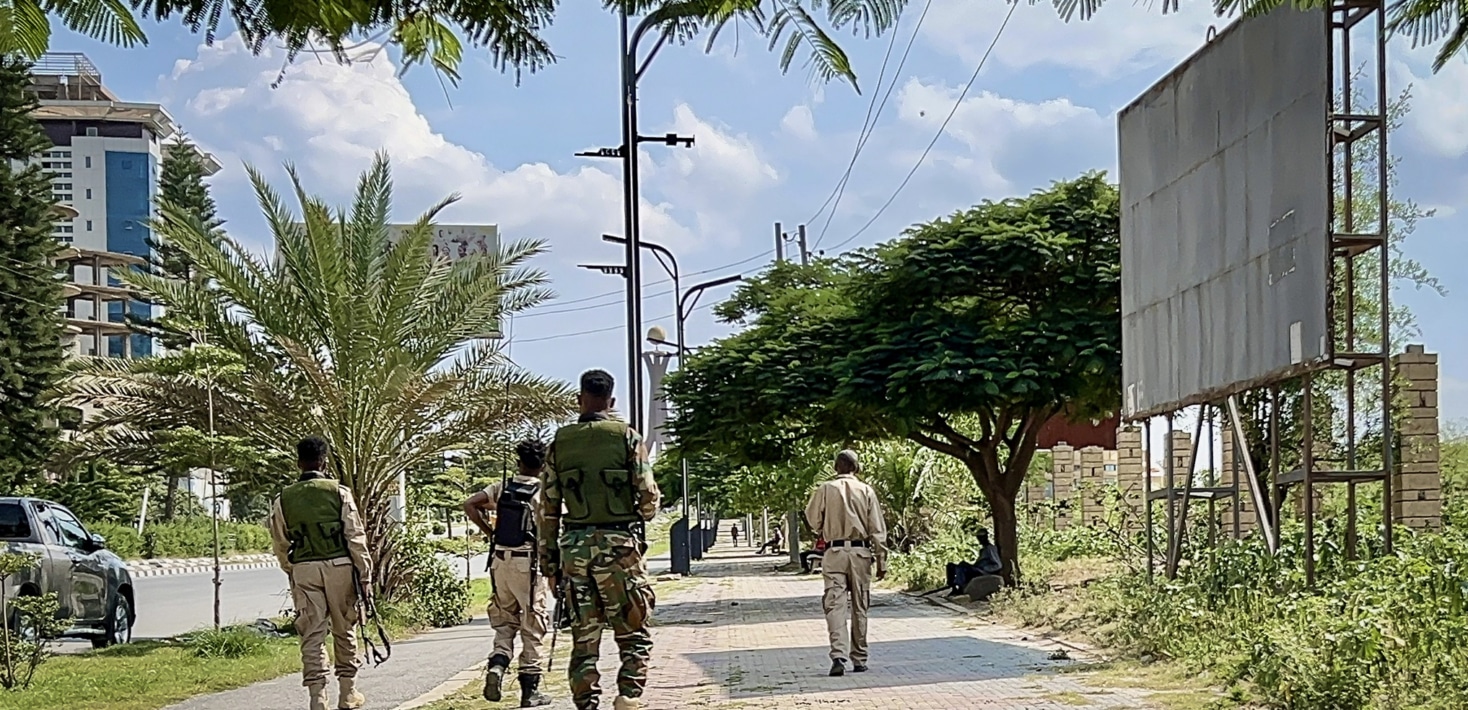
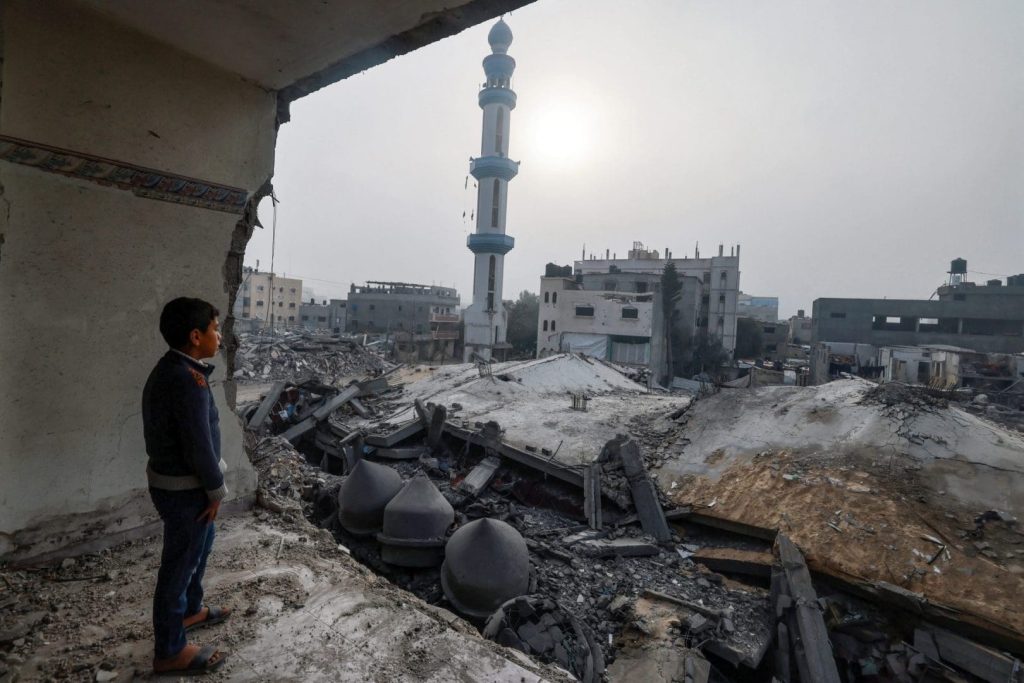
Clashes have intensified across southern Tigray, northern Amhara and western Afar. Aerial attacks have also been reported elsewhere in Tigray, including in the historic town of Axum and the regional capital, Mekelle.
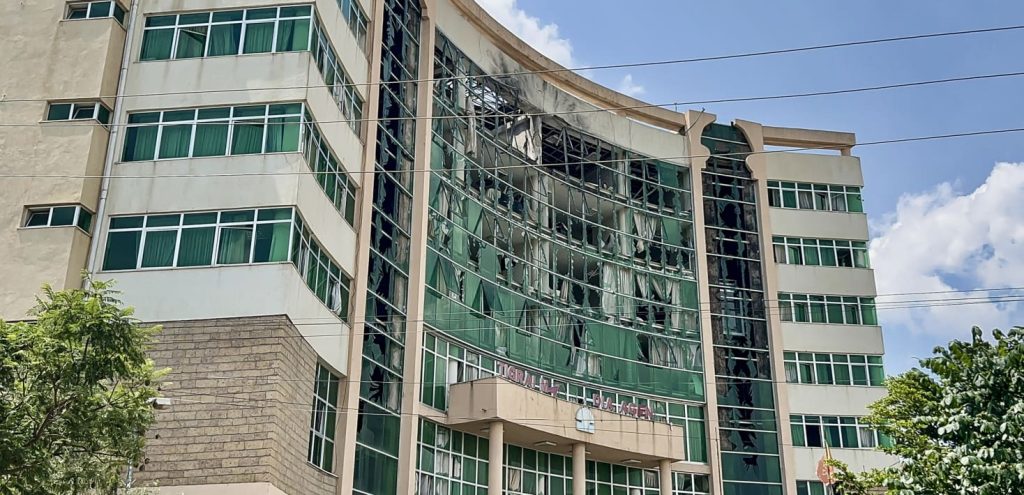
Amnesty expressed particular concern over reports that several schools had been damaged or targeted in air strikes, while heavy weapons fire in and around Maychew and Alamata had caused civilian casualties.
Two drone strikes reportedly hit schools in Alamata on 22 September, killing at least 14 civilians and injuring 22. Another reported strike hit the headquarters of Tigray Television in Mekelle on 27 September, forcing the station off air.
Médecins Sans Frontières has reported a sharp increase in people needing treatment for war injuries. Hospitals it supports in Korem and Alamata saw the number of wounded patients rise from about 180 to more than 420 between 22 and 25 September. More than 300 wounded people had arrived at Suhul Hospital in Shire by 25 September.
Battle for a key supply town
Alamata, about 120km south of Mekelle near Tigray’s border with Amhara, has emerged as a key battleground. The town serves as a supply hub for troops, fuel and food.
On 28 September, the pro-government Tigray Peace Force said its fighters had captured Alamata alongside federal troops.
ALSO READ: 250,000 Ethiopians migrate every year: what drives them and what needs to change
Ethiopian military leaders have portrayed the conflict as a broader regional threat. ENDF Chief of General Staff Field Marshal Berhanu Jula accused Egypt and Sudan of supporting an alliance involving the Tigray People’s Liberation Front (TPLF), Fano insurgents and the Oromo Liberation Army, with Eritrea allegedly acting as an intermediary.
The TPLF says it is fighting a defensive war against federal drone and artillery attacks.
These competing claims could not be independently verified.
Blackout deepens fears for civilians
Amnesty warned that communications cuts across Tigray and parts of Afar and Amhara, coupled with growing restrictions on civic space, could allow serious abuses to occur “under the cover of darkness.”
Mobile networks in Tigray have reportedly been down since late September, while bank accounts in the region have reportedly been frozen since 25 September.
“Disrupting communications in conflict-affected areas is a well-documented pattern in Ethiopia’s armed conflicts,” Chagutah said.
He called for services to be restored immediately so civilians could access life-saving information and assistance.
Pretoria agreement under threat
The renewed fighting threatens the Cessation of Hostilities Agreement signed in Pretoria on 2 November 2022. Brokered through an AU-led process and hosted by South Africa’s Department of International Relations and Cooperation, the agreement ended a two-year war between the federal government and the TPLF.
Relations between the signatories had been deteriorating for months.
Clashes between federal forces and Tigrayan fighters in Tselemti in January 2026 led to the suspension of all flights to Tigray, prompting the AU Commission Chairperson to appeal for “maximum restraint.”
In May, the AU and the United Nations jointly urged both sides to resolve their differences through the agreement’s mechanisms. By September, TPLF spokesman Michael Asgedom had declared the deal “no longer valid.”
Warning against another delayed response
Amnesty said the AU must avoid repeating its slow response to the previous war. The Peace and Security Council, the organisation’s standing body for preventing and resolving conflicts, held its first session on Ethiopia in November 2021, a year after fighting began.
The UN International Commission of Human Rights Experts on Ethiopia described the 2020–2022 war as one of the deadliest conflicts of the 21st century. Hundreds of thousands died, millions were displaced and thousands of women and girls suffered conflict-related sexual violence.
Former Nigerian president Olusegun Obasanjo, who served as the AU’s lead mediator, has estimated that about 600,000 people died.
Tigray also endured a communications blackout lasting more than a year. Hundreds of thousands of people displaced during that war have yet to return home, while victims continue to await justice and reparations.
Amnesty said Ethiopia had experienced six years of persistent armed conflict, including in Oromia, with most armed groups implicated in serious violations and little meaningful accountability.
“Regional and international actors, including the AU, the Intergovernmental Authority on Development (IGAD), and the UN, must address the deeply entrenched accountability crisis in Ethiopia,” Chagutah said.
Amnesty called for immediate measures to protect civilians, independent investigations into violations by all parties, and unhindered access for journalists, humanitarian organisations and human rights monitors.