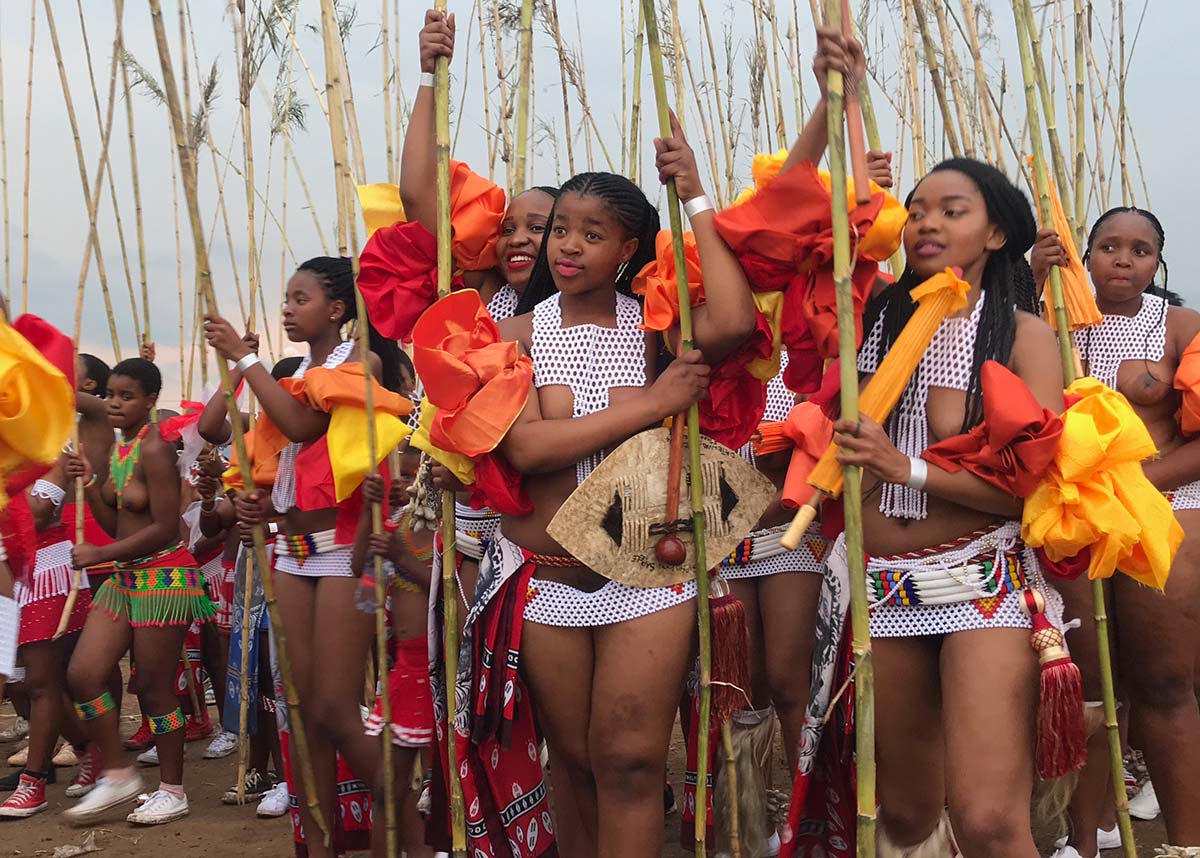
JOHANNESBURG – For a group of young women at the University of the Witwatersrand, preparations for this year’s Umkhosi Womhlanga are about far more than learning traditional songs and getting ready for a major cultural gathering.
They are also about reclaiming cultural identity at a time when many young people are increasingly disconnected from the traditions that shaped previous generations.
Members of Uthingo Lwamankosazana aseWits, a Wits society for young maidens, have been preparing to attend Umkhosi Womhlanga, the annual Zulu reed dance ceremony taking place from September 5 to 6.
The society brings together young women from different cultural backgrounds under the slogan, “Maidens united in diversity.”
Second-year BCom Accounting student and society chairperson Luthando Mdletshe said Uthingo was not limited to Zulu students.
ALSO READ: Global Vibes Meet Local Flavours at MTN Bushfire 2025
“We’re not just a Zulu maiden’s group,” she said, emphasising that young women from different tribes are welcome to participate.
For second-year BA Film and Television student Bulumko Ntluzo, who is Xhosa, joining the society has provided an opportunity to deepen her appreciation of her own cultural heritage.
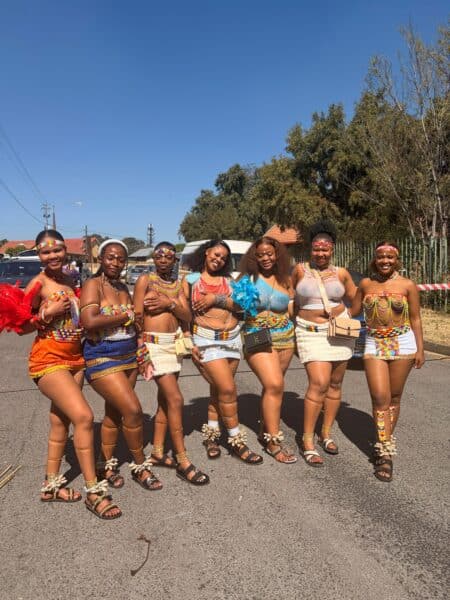
The experience, she said, has encouraged her to take greater pride in traditions that can sometimes be difficult for young people to maintain while navigating university life.
Umkhosi Womhlanga, traditionally held during the first or second week of spring, brings together tens of thousands of young women in a celebration of maidenhood, cultural identity and tradition.
The ceremony has, however, long been accompanied by misconceptions, including the belief that young women attend primarily to be selected as wives.
Members of Uthingo reject that interpretation.
Final-year BSc Astronomy and Astrophysics student Tania Nyanda said such stereotypes had contributed to some young people distancing themselves from traditional practices.
For members of the society, participation is instead about respecting the royal family, taking part in prayer and engaging with an important cultural tradition.
Mdletshe described the event as a celebration of ubuntombi, or maidenhood, while also providing an opportunity for young women from different provinces and backgrounds to learn from one another.
Preparing for the reed dance
The Wits students have been preparing through a programme known as “Siyaya eMhlangeni”, as well as amahubo, traditional song practices held on campus.
Second-year Bachelor of Education student Nosipho Makhalima said the preparation sessions go beyond learning songs and dances.
Members are advised on how to conduct themselves during the ceremony and reminded of the cultural significance of Umkhosi Womhlanga.
The society also serves a broader purpose on campus.
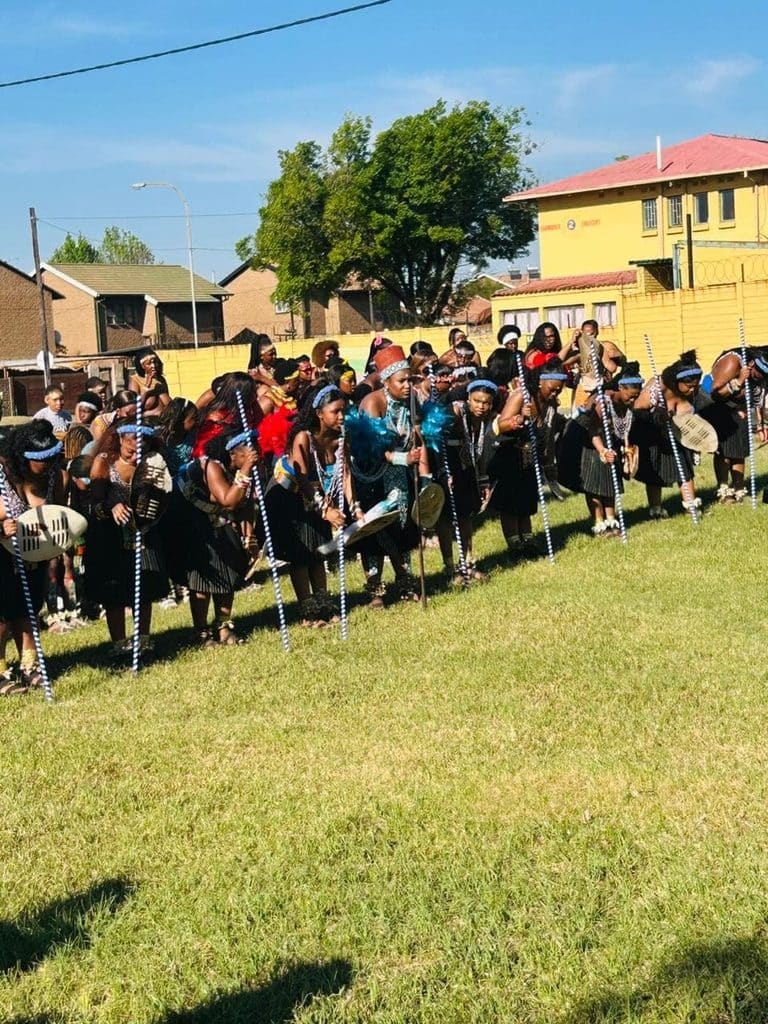
For young women in their 20s who are studying away from their families and communities, Uthingo has become a support network where members can discuss issues affecting their lives while maintaining a connection to traditional values.
Makhalima described the society as a safe and educational space where young women can discuss relationships, sexuality and abstinence.
At its centre, she said, is a sense of sisterhood.
Tradition in a changing generation
The students’ concerns reflect a broader challenge facing traditional cultural practices in an increasingly connected and rapidly changing society.
Ntluzo said young women can become detached from their traditions after arriving at university, with peer pressure and concerns about being perceived as “too traditional” sometimes influencing their choices.
Social media has added another layer to the changing relationship between young people and culture, she said, influencing attitudes towards traditional practices and shaping how young South Africans present themselves and understand their identities.
For Uthingo members, however, university does not have to mean abandoning tradition.
Instead, they see their participation as a way of creating space for culture alongside academic life and contemporary influences.
As they head to Umkhosi Womhlanga, the Wits maidens are carrying with them more than the songs, customs and practices associated with the ceremony.
They are also asserting that cultural identity can remain relevant to young people, even as they navigate the pressures and opportunities of modern university life.
Original article by Witsvuvuzela