The African Development Bank has approved a response framework that could mobilise up to $5.1 billion to help African countries absorb rising energy and fertiliser costs, protect vulnerable households and strengthen food and economic security.
AfDB Unveils $5.1bn Emergency Plan As Energy And Fertiliser Shocks Threaten African Economies
ABIDJAN, Côte d’Ivoire: The African Development Bank Group has approved a new response framework that could mobilise up to $5.1 billion to help African economies deal with the fallout from the global energy and fertiliser crisis.
The Global Energy and Fertiliser Crisis Response Framework (GEFCRF), approved by the Bank’s Board of Directors on 1 September, comes as renewed disruptions to global trade and supply chains push up the cost of energy, food, fertiliser and other commodities on which many African economies remain heavily dependent.
The one-year framework combines emergency financing with measures aimed at reducing the continent’s exposure to future external shocks.
The AfDB said the package will be financed through an additional $4.1 billion in African Development Bank lending and up to $960 million from the African Development Fund (ADF), the institution’s concessional lending arm.
The additional funding will raise the Bank Group’s 2026 lending target to approximately $12.7 billion.
The intervention reflects a broader challenge facing African economies. Many countries are net importers of fuel, food and fertiliser, leaving them particularly exposed when international prices rise or major shipping routes are disrupted.
Global energy crisis puts pressure on African economies
The current crisis has been compounded by instability in the Middle East and disruptions to global trade routes and logistics, including important maritime corridors.
Higher transport costs, delayed deliveries and fragile supply chains are adding further pressure to governments, businesses and households.
For countries already dealing with limited fiscal space, elevated debt levels and high import bills, another surge in energy prices can quickly translate into higher transport, electricity, manufacturing and food costs.
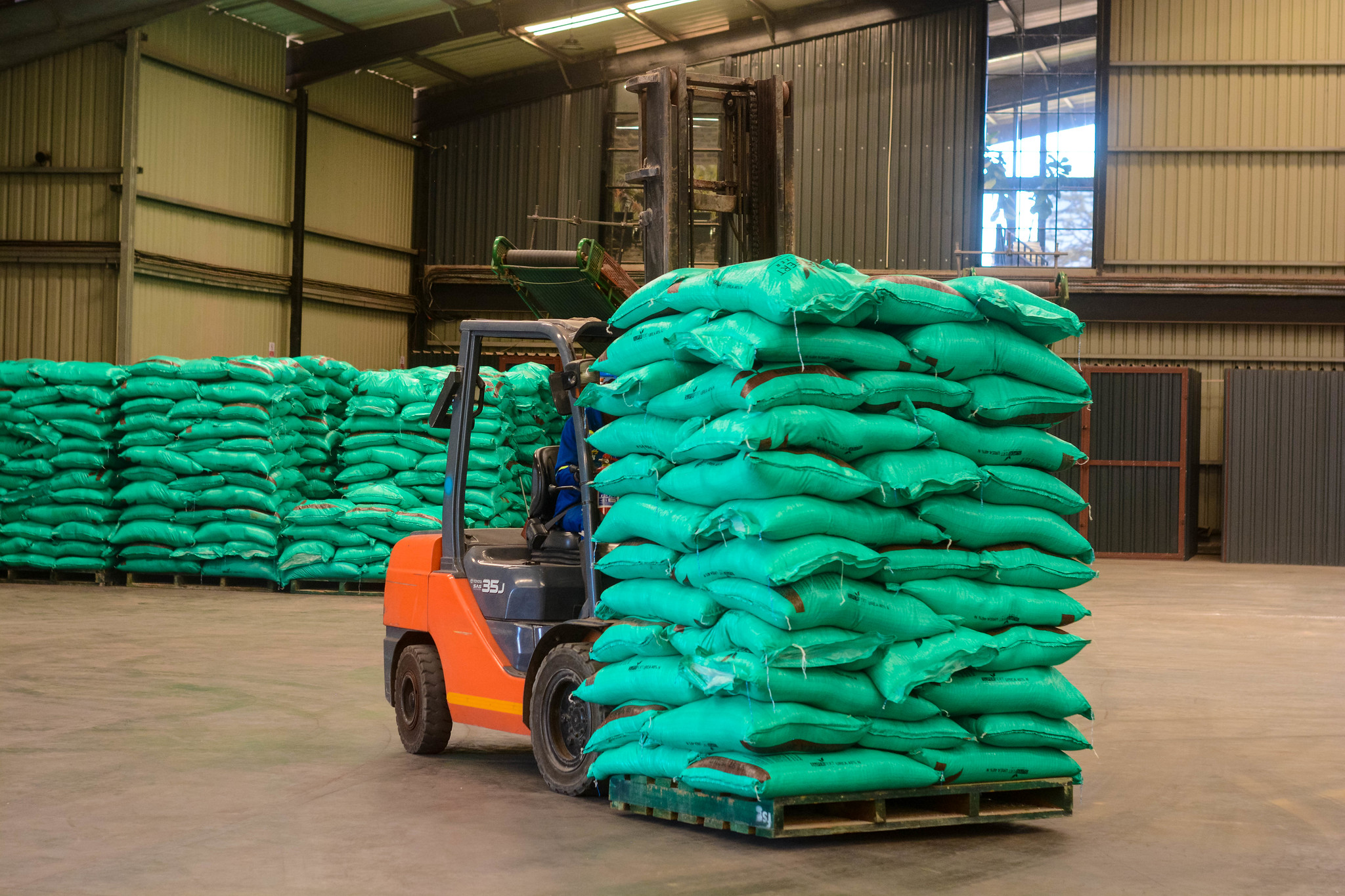
For African farmers, the fertiliser shock presents a particularly serious risk.
Higher fertiliser prices can force farmers to reduce application rates, potentially lowering yields and increasing pressure on food prices. The impact can extend beyond agriculture, affecting household incomes, food security and the fiscal position of governments that may have to intervene to protect consumers.
Martin Fregene, Officer in Charge of the Vice Presidency for Agriculture, Human and Social Development, said the crisis was placing additional pressure on African farmers as disruptions to global trade affect the availability and affordability of fertiliser.
“When fertiliser becomes too expensive or difficult to find, farmers use less and harvests can suffer,” Fregene said.
He said access to finance could help businesses keep fertiliser moving to farmers while longer-term efforts focus on developing stronger fertiliser markets and increasing local supply.
AfDB response targets four areas of the crisis
The framework is built around four main pillars, covering macroeconomic stability, food and energy supplies, social protection and longer-term economic resilience.
The first pillar will provide rapid counter-cyclical financing and short-term financial buffers while supporting coordinated fiscal, monetary and debt-policy responses.
The objective is to help governments absorb immediate economic shocks without allowing emergency pressures to undermine essential public services and development programmes.
The second pillar focuses on protecting critical food, energy and fertiliser supplies through emergency and trade finance.
The Bank said the measures will also support vulnerable populations and help stabilise markets during periods of severe disruption.
The third pillar is aimed at protecting essential public spending and vulnerable households through targeted social protection.
Women and young people are specifically identified among the groups requiring protection as rising living costs put pressure on household budgets.
The approach is intended to reduce reliance on broad subsidies while directing support towards those most affected by the crisis.
The fourth pillar focuses on reforms that can reduce African countries’ dependence on volatile international energy, food and fertiliser markets.
The AfDB said this will include efforts to diversify supply chains, develop regional solutions, improve fiscal resilience and strengthen countries’ ability to respond to future crises.
AfDB says crisis response must strengthen African economies
Abdul Kamara, Acting Vice President for Country and Regional Operations at the AfDB, said the framework was designed to ensure that crisis intervention does more than address immediate economic pressures.
“A crisis response must do more than cushion the shock. It must make countries stronger,” Kamara said.
He said the framework was intended to help governments protect households and vulnerable populations, keep food, fertiliser and energy systems functioning and preserve development gains.
ALSO READ: AfDB Escalates Efforts to Fulfill Energy Pledges
The agricultural component of the programme could prove particularly important as fertiliser affordability directly affects agricultural productivity.
Fregene said financing could help businesses maintain the movement of fertiliser to farmers while longer-term measures seek to strengthen fertiliser markets and expand local supply.
For African countries that depend heavily on imported agricultural inputs, increasing regional production and improving distribution could reduce exposure to international price shocks.
AfDB framework is temporary but aims at long-term resilience
The framework will remain in place for one year from the date of Board approval, after which it will be reviewed before any decision is taken on an extension.
Support will be demand-driven, with assistance tailored to the vulnerability of individual countries and the nature of the economic shock they face.
The AfDB’s intervention highlights a structural weakness in many African economies: their exposure to external commodity prices and global supply-chain disruptions.
Emergency financing can help governments manage immediate pressures, but the framework also places emphasis on reducing that vulnerability over time.
Diversifying energy sources, strengthening regional food and fertiliser supply chains and expanding domestic and regional production will therefore be critical if African economies are to become less exposed to future global shocks.
The new financing package is more than a short-term response to rising energy and fertiliser costs. It is also an attempt to use the current crisis to accelerate efforts to build more resilient African economies.
For governments facing constrained budgets, high debt burdens and rising import costs, however, the speed at which the financing reaches affected countries will be critical.
The effectiveness of the framework will ultimately depend on whether it can help countries keep food, energy and fertiliser supplies moving while creating the conditions for greater African self-reliance in these strategic sectors.
Subscribe to Our Newsletter
Keep in touch with our news & offers
Thank you for subscribing to the newsletter.
Oops. Something went wrong. Please try again later.