With youth unemployment at 47.4%, Allan Gray Makers is pushing artisan entrepreneurship as a potential engine of job creation, arguing that skilled young people need more than technical training to succeed. They also need access to finance, markets, networks and business support.
Artisan Entrepreneurs Emerge As New Front In South Africa’s Unemployment Battle
JOHANNESBURG, September 2026 – South Africa’s battle against youth unemployment is increasingly drawing attention beyond traditional job creation, with artisan entrepreneurship emerging as one avenue being promoted to help young people turn technical skills into sustainable businesses.
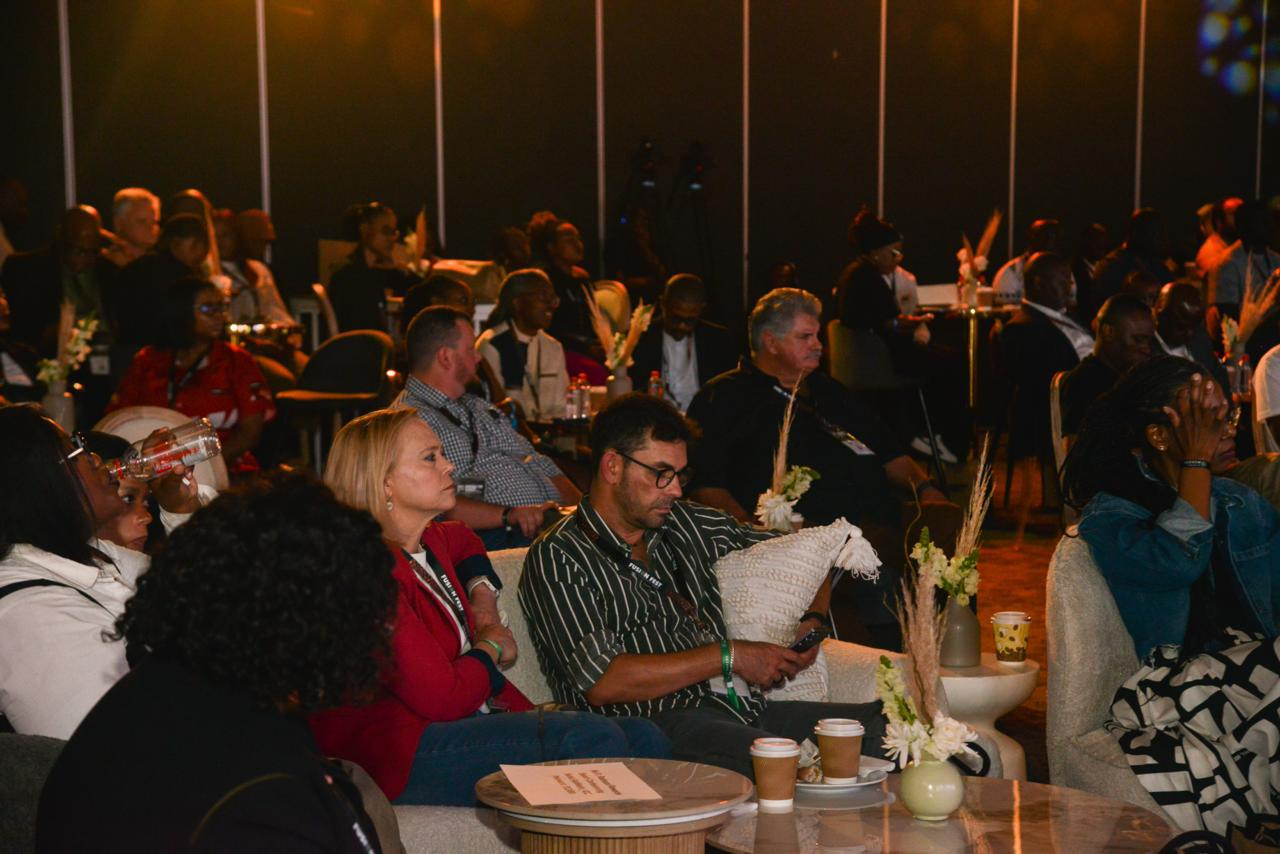
The issue was at the centre of Fusion Fest 2026 in Kempton Park, where artisans, industry experts and other stakeholders gathered under the theme “Catalysing South Africa’s Artisan Ecosystem” to examine what is needed to grow businesses led by skilled tradespeople.
Allan Gray Makers hosted the event, an initiative focused on fostering entrepreneurship among technically skilled South Africans.
The organisation argues that the challenge facing young artisans is not simply a shortage of skills. For many, the bigger obstacle is the ability to convert those skills into viable enterprises that can generate income, employ others and remain commercially sustainable.
Youth unemployment exposes the limits of the traditional job market
South Africa’s youth unemployment rate stands at 47.4%, according to the figures cited by Allan Gray Makers, highlighting the scale of the challenge facing young people trying to enter the economy.
Against this backdrop, entrepreneurship offers a different route into economic participation.
For an electrician, plumber, mechanic, builder, welder or other skilled tradesperson, establishing a business can create an income for the owner while potentially creating employment for apprentices, assistants and other workers.
ALSO READ: South Africa’s Unemployment Crisis Is A National Emergency
But turning technical competence into a successful business requires skills and resources that are not necessarily covered by conventional artisan training.
These include financial management, access to capital, customer acquisition, compliance, marketing, networks and reliable access to markets.
Allan Gray Makers targets 200,000 trades businesses by 2035
Allan Gray Makers says it wants to contribute to the development of a coordinated trades entrepreneurial ecosystem capable of supporting the launch of 200,000 artisan-led trades businesses and the growth of a further 20,000 businesses by 2035.
Seth Mulli, programme director at Allan Gray Makers, said the ambition would require greater coordination across the artisan and entrepreneurship ecosystem.
“By 2035, South Africa will have a coordinated trades entrepreneurial ecosystem catalysing the launch of 200 000 and growth of 20,000 artisan-led trades businesses,” Mulli said.
The organisation’s approach follows an assessment conducted after Fusion Fest 2025, when it examined the artisan entrepreneurship ecosystem against 10 conditions: institutions, culture, networks, infrastructure, demand, intermediaries, talent, knowledge, leadership and finance.
Those areas were subsequently consolidated into five goals intended to provide a clearer framework for intervention.
Five priorities identified for growing artisan businesses
The priority is connectivity. Allan Gray Makers argues that organisations and individuals working in the sector need to know who is doing what. Better connections could help move ideas, referrals and capital more efficiently while reducing duplication and identifying gaps in support.
The second is an evidence-led ecosystem.
A National Trades Entrepreneurial Ecosystem Intelligence Dashboard has been established to provide shared information and research that can inform policy, funding decisions, programme design and interventions in the sector.
The third priority is building a stronger talent pipeline.
This means encouraging more young people to consider technical and vocational education, apprenticeships and other pathways into the trades, while linking those pathways to both employment and entrepreneurship opportunities.
The fourth is creating an entrepreneur-friendly environment.
Artisan businesses require support and finance that recognise the particular realities and risks of small trade enterprises. They also need access to markets where quality, credibility and compliance are rewarded.
The fifth priority is changing the perception of artisan entrepreneurship.
Allan Gray Makers says artisans should be viewed not as people who turned to trades because they had no other options, but as entrepreneurs capable of building businesses, creating livelihoods and contributing to the country’s economic capacity.
From artisan training to enterprise development
The distinction between producing artisans and producing artisan entrepreneurs is becoming increasingly important in an economy where formal employment opportunities remain under pressure.
Technical skills can provide an entry point into the economy, but the ability to identify customers, price services, manage cash flow, secure finance and build a workforce can determine whether those skills translate into a sustainable enterprise.
This places the artisan economy at the intersection of vocational education, entrepreneurship development and employment policy.
It also means that efforts to address youth unemployment cannot focus exclusively on the number of people trained. The ability of those people to find work, establish enterprises and create additional employment becomes equally important.
ALSO READ: Science Must Drive Real-World Change, South Africa Tells UNESCO Summit
One of the central challenges identified by Allan Gray Makers is market access.
An artisan may have the technical ability to provide a service but still struggle to build a customer base or secure contracts.
For small businesses, access to markets can determine whether an enterprise moves from survivalist activity to sustainable growth.
The organisation’s five-goal framework therefore places markets alongside finance, business support and skills rather than treating training as a standalone solution.
The approach reflects a broader economic reality: entrepreneurship cannot thrive on skills alone if entrepreneurs cannot access customers, capital and networks.
The bigger test is whether businesses can create jobs
The ultimate measure of artisan entrepreneurship will not simply be the number of people who complete training or register businesses.
It will be whether those businesses survive, grow and employ other people.
That makes the target of 200,000 new trades businesses particularly significant. If achieved alongside the growth of existing artisan enterprises, it could position the trades sector as a larger contributor to employment and local economic activity.
For South Africa, where millions of young people remain outside formal employment, the question is whether initiatives such as Fusion Fest can help build an ecosystem in which technical skills become a foundation for business ownership rather than simply another qualification.
The challenge now is to translate the five priorities identified by Allan Gray Makers into sustained action, investment and measurable growth across the country’s artisan economy.
Subscribe to Our Newsletter
Keep in touch with our news & offers
Thank you for subscribing to the newsletter.
Oops. Something went wrong. Please try again later.