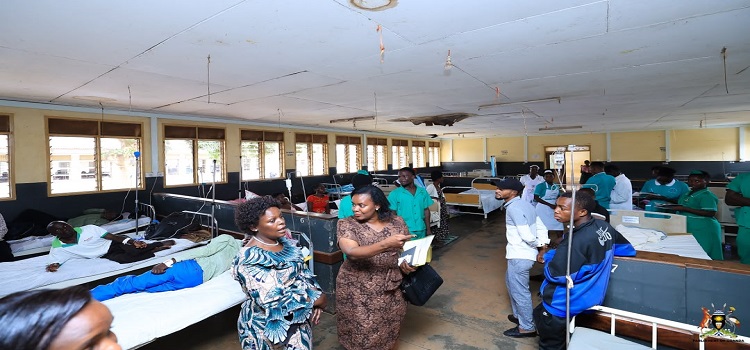
Zambia has received its first doses of Lenacapavir, a twice-yearly injectable HIV prevention medicine, as the country seeks to reach 82,000 people by the end of 2026 and strengthen prevention efforts among groups facing a disproportionate risk of infection.
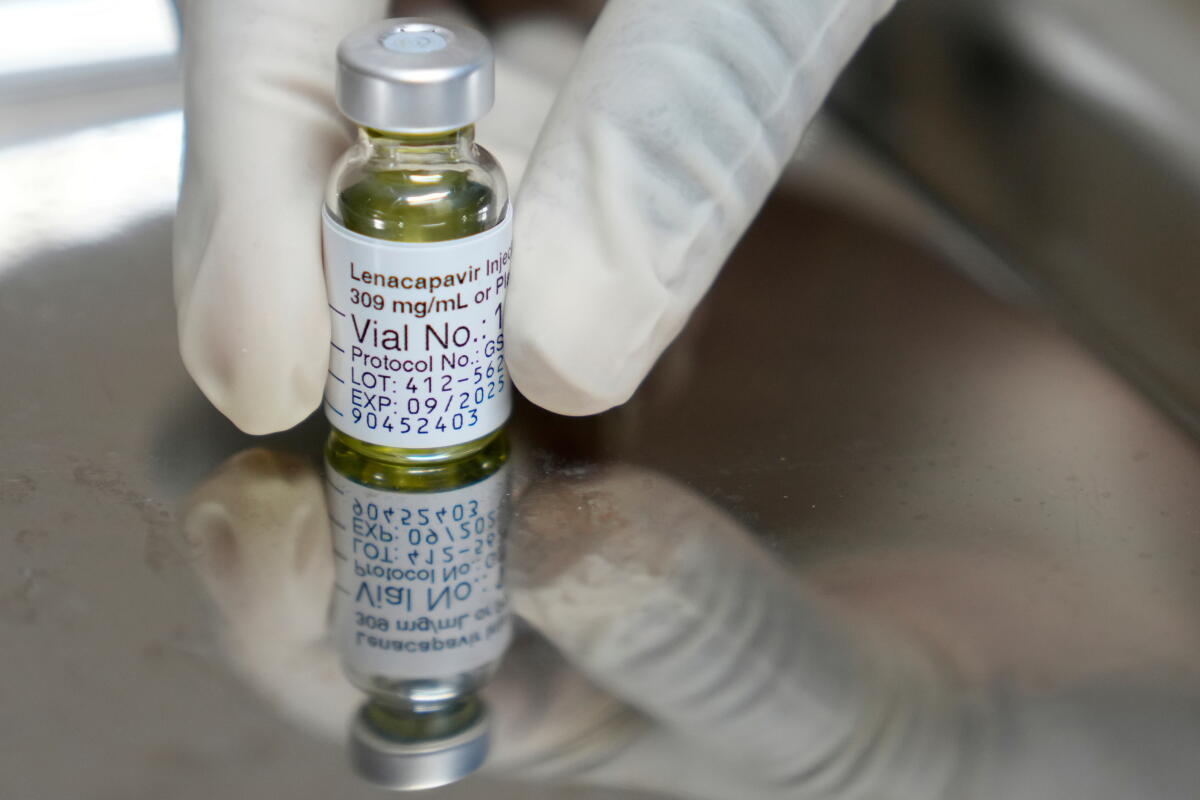
LUSAKA, Zambia – Zambia has begun rolling out Lenacapavir, a twice-yearly injectable medicine for HIV prevention, after receiving its first consignment as countries across Southern Africa accelerate efforts to reduce new infections.
The shipment, funded by the United States government, arrived at the University Teaching Hospital in Lusaka on 1 September 2026. It was formally received by the Ministry of Health Permanent Secretary for Donor Coordination George Sinyangwe and US Assistant Secretary of State for African Affairs Frank Garcia.
The arrival marks a significant new phase in Zambia’s HIV prevention programme, with the government planning to make Lenacapavir available to about 82,000 people at 542 health facilities nationwide by the end of 2026.
The Joint United Nations Programme on HIV/AIDS (UNAIDS) is working with the Zambian government, community organisations, the Global Fund to Fight AIDS, Tuberculosis and Malaria and the US government to support the rollout.
UNAIDS said the introduction of the medicine provides an opportunity to accelerate HIV prevention while protecting the gains Zambia has made against the epidemic.
Anne Githuku-Shongwe, UNAIDS Regional Director for Eastern and Southern Africa, said the arrival of Lenacapavir demonstrated what could be achieved when governments, communities, scientists and international partners worked towards a common goal.
She described the rollout as another step towards ending AIDS as a public health threat.
Among those expected to benefit are an estimated 21,000 pregnant and breastfeeding women, a priority group in Zambia’s efforts to eliminate mother-to-child transmission of HIV.
New tool arrives as Zambia faces a prevention challenge
The introduction of Lenacapavir comes against a backdrop of significant progress in Zambia’s HIV response, but also persistent challenges in preventing new infections.
Figures released by Zambia’s Ministry of Health, the National HIV/AIDS/STI/TB Council and UNAIDS in September 2025 showed that Zambia had surpassed the United Nations’ 95-95-95 treatment targets among the general population.
An estimated 98% of people living with HIV knew their status, 98% of those diagnosed were receiving treatment and 97% of people on treatment had achieved viral suppression.
New HIV infections have also fallen substantially over the past 15 years, from about 63,000 in 2010 to 30,000 in 2025. AIDS-related deaths declined by 73% over the same period, from approximately 26,000 to 15,000.

But the progress has not eliminated the risk of new infections.
Zambia recorded about 23,000 new HIV infections in 2025, with adolescents and young people accounting for 37% of those infections. Adolescent girls and young women represented 29% of new infections, highlighting the continuing gender disparity in HIV transmission.
The figures help explain the importance attached to prevention tools that can overcome some of the limitations associated with daily oral medication.
Lenacapavir is administered twice a year, potentially reducing the adherence burden associated with taking an HIV prevention pill every day.
For people who face stigma, privacy concerns or difficulty maintaining daily medication routines, the long-acting option could provide an alternative that is easier to integrate into their lives.
Funding cuts expose vulnerability of HIV programmes
The rollout is also taking place at a difficult moment for HIV programmes that remain heavily dependent on international financing.
UNAIDS has warned that reductions in US funding have disrupted health services and prevention programmes in Zambia, raising concerns about the ability of countries to maintain hard-won gains.
The funding pressures have been felt across the region.
AVAC has reported a sharp decline in PrEP initiations following cuts to US-supported HIV programmes, even as Lenacapavir was emerging as one of the most significant developments in HIV prevention in decades.
ALSO READ: Uganda’s Cancer Crisis Exposes Screening Gaps
The timing has created what HIV advocates have described as a troubling contradiction: a highly effective new prevention technology is becoming available at the same time that some of the health systems needed to deliver it are under financial pressure.
For Zambia, the challenge will therefore extend beyond securing supplies.
The country will need to ensure that health workers are trained, communities understand how Lenacapavir works, supply chains remain reliable and people who could benefit from the medicine can access it without stigma or discrimination.
Zambia joins expanding African rollout
Zambia’s rollout forms part of a rapidly expanding African introduction of Lenacapavir.
The country registered the medicine in November 2025, shortly after South Africa approved it in October. Initial supplies have been supported through international partnerships involving the Global Fund and the US President’s Emergency Plan for AIDS Relief (PEPFAR).
By July 2026, nearly 200,000 Lenacapavir injections had reportedly been administered across African countries with high HIV burdens, including Eswatini, Malawi, Mozambique and Kenya.
The speed of the rollout has also exposed a potential problem: demand is already outstripping supply in some settings.
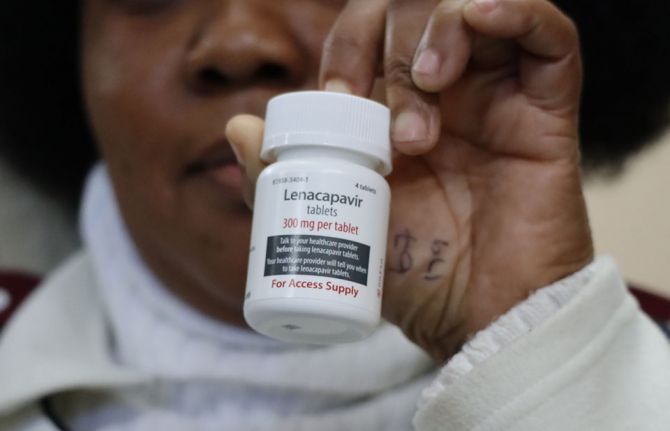
The US State Department, Global Fund and pharmaceutical company Gilead Sciences have set a goal of reaching at least three million people with Lenacapavir by the end of 2028. Gilead has committed to supplying the medicine at no profit in support of the programme.
Affordability could become increasingly important as donor-funded programmes expand.
An agreement involving Unitaid, Wits RHI, the Clinton Health Access Initiative and Indian pharmaceutical manufacturer Dr Reddy’s Laboratories is aimed at bringing a generic version of Lenacapavir to market at approximately US$40 per person per year by 2027.
The proposed lower-cost version could eventually allow countries to expand access beyond programmes primarily supported by international donors.
Promise comes with implementation risks
The potential impact of Lenacapavir is substantial, but access alone will not determine whether the medicine succeeds.
Researchers have identified several barriers that could affect implementation across Africa, including the cost of introducing new services, limited healthcare infrastructure, regulatory delays and supply-chain constraints.
Stigma and misinformation could also discourage people from seeking HIV prevention services.
These challenges are particularly important for young people and other groups who may already face barriers when accessing sexual and reproductive health services.
The success of Zambia’s programme will therefore depend not only on how many doses arrive in the country, but on whether the medicine can be integrated effectively into existing prevention services.
UNAIDS pledges continued support
UNAIDS said Lenacapavir will be incorporated into Zambia’s broader combination HIV prevention strategy.
The agency will provide technical assistance, strategic coordination and advocacy as the programme expands, with an emphasis on using evidence to determine where the medicine is most needed.
Its support will build on a longstanding partnership with Zambia covering HIV policy, strategic information, programme sustainability and engagement with communities.
The immediate target is ambitious: 82,000 people reached through 542 facilities before the end of 2026.
But the significance of Zambia’s rollout extends beyond those numbers.
As countries across Southern Africa search for new ways to prevent HIV transmission, Lenacapavir offers a new tool that could change how prevention is delivered.
Whether that promise translates into fewer infections will depend on something less groundbreaking but equally important: sustained funding, reliable supply chains, functioning health facilities and the ability to put the medicine within reach of the people who need it most.