Ghana is overhauling its youth football pipeline, with the Ghana Football Association strengthening the Colts System, introducing a new Under-19 league and pushing clubs to give emerging players greater exposure to senior competition.
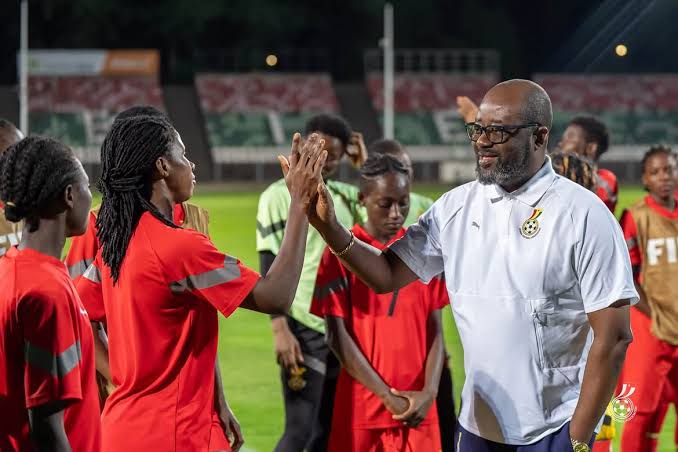
ACCRA, Ghana – Ghana is stepping up efforts to build a more structured pathway from grassroots football to the professional game, with Ghana Football Association (GFA) President Kurt Edwin Simeon-Okraku warning that the country’s future success will depend on deliberate and sustained investment in young players.
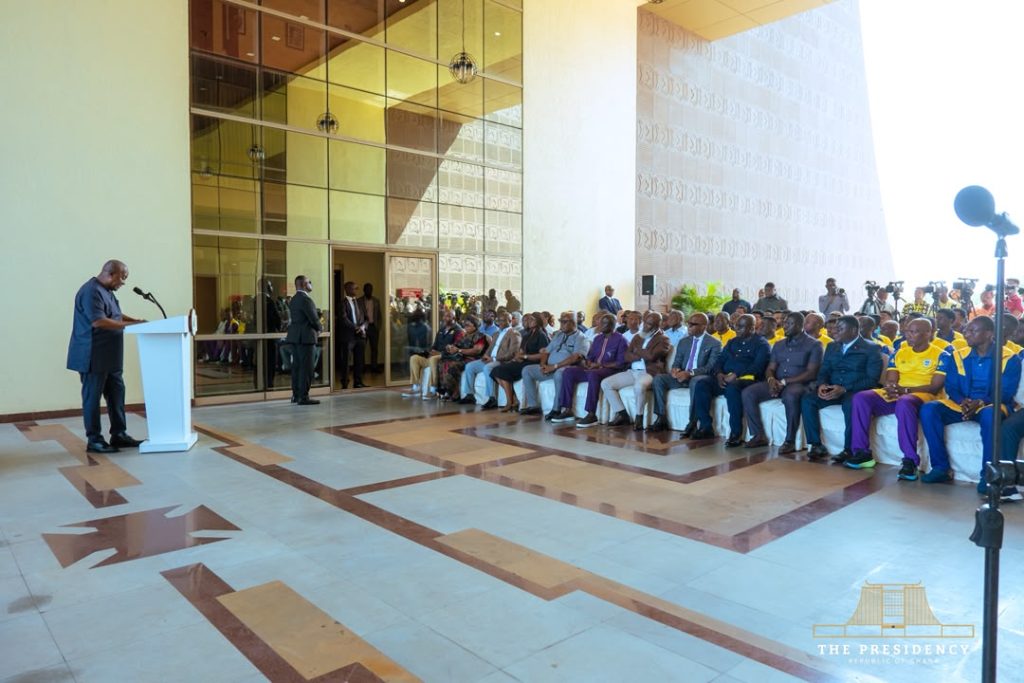
Addressing delegates at the GFA’s 32nd Ordinary Congress, Simeon-Okraku reaffirmed the association’s flagship “Power to the Youth” policy, placing youth development at the centre of its long-term strategy for Ghanaian football.
“The future of Ghana football will not be secured by chance, it will be built through deliberate investment, sound policy and unwavering commitment,” Simeon-Okraku told delegates.
“That is why today, I am proud to reaffirm our flagship national youth development policy, ‘Power to the Youth.’”
The renewed focus comes as President John Mahama has also called for urgent action to strengthen domestic football and revive Ghana’s once-influential Colts League.
During a courtesy call by a joint delegation from Ghana Premier League champions Medeama SC, Nations FC and Ampem Darkoa Ladies FC, Mahama raised concerns about the declining quality of the domestic game and the continued early departure of promising players.
“We are too quick to sell our players. As soon as a player shows promise, scouts take him away, mostly to Europe, and that depletes the quality of our local league,” Mahama said.
ALSO READ: Ghana’s President Challenges Football Association To Invest In Youth Football
He argued that talented players should be given more time to develop domestically before moving abroad.
“We must find a way to keep our talented players longer, give them opportunities in the national team, allow them to gain international experience, and then let them move abroad after they have matured.”
Mahama also questioned what had happened to the country’s grassroots system.
“I do not know what happened to it, so I want to ask the Football Association: what has happened to the Colts League?”
Colts System at the centre of new strategy
The GFA’s response places the Colts System at the centre of its youth development plans.
The long-standing grassroots structure has traditionally served as an important entry point for young Ghanaian players, helping identify talent before players progress into organised youth and senior football.
Simeon-Okraku said the system would remain the foundation of the “Power to the Youth” policy.
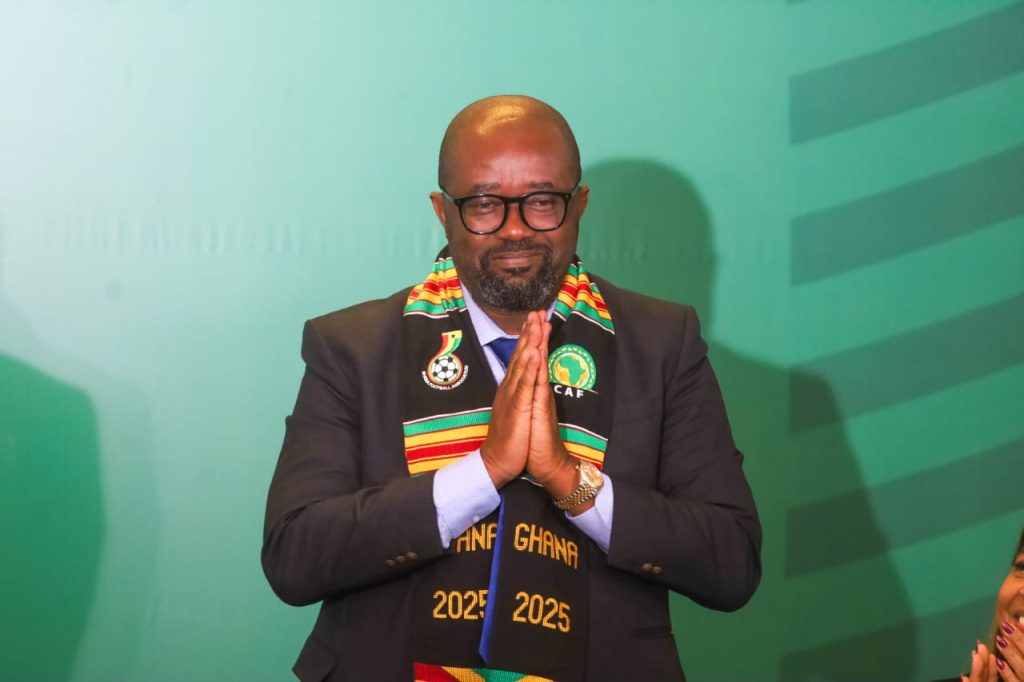
“At the heart of the Power to the Youth policy is the Colts System, the foundation upon which Ghana football has always thrived,” he said.
Under the proposed pathway, players will progress through the Under-13, Under-15, Under-17 and Under-19 age groups.
The aim is to identify promising players earlier, provide them with structured development and ensure they have regular competitive football as they move towards the professional level.
New UMB U19 League to bridge development gap
A key component of the strategy is the planned UMB Under-19 League, which will initially be piloted in partnership with affiliated professional clubs and accredited academies.
The competition is intended to address one of the biggest challenges facing youth football: the difficult transition from academy and youth football into the senior professional game.
Regular exposure to high-level competition is expected to help Under-19 players adapt to the physical, tactical and psychological demands of senior football.
The GFA says the programme will also take a broader approach to player development, incorporating education, discipline and personal development alongside technical and tactical training.
The association will simultaneously maintain its mandatory Youth Integration policy, which applies across the Ghana Premier League, Women’s Premier League, Division One and Division Two.
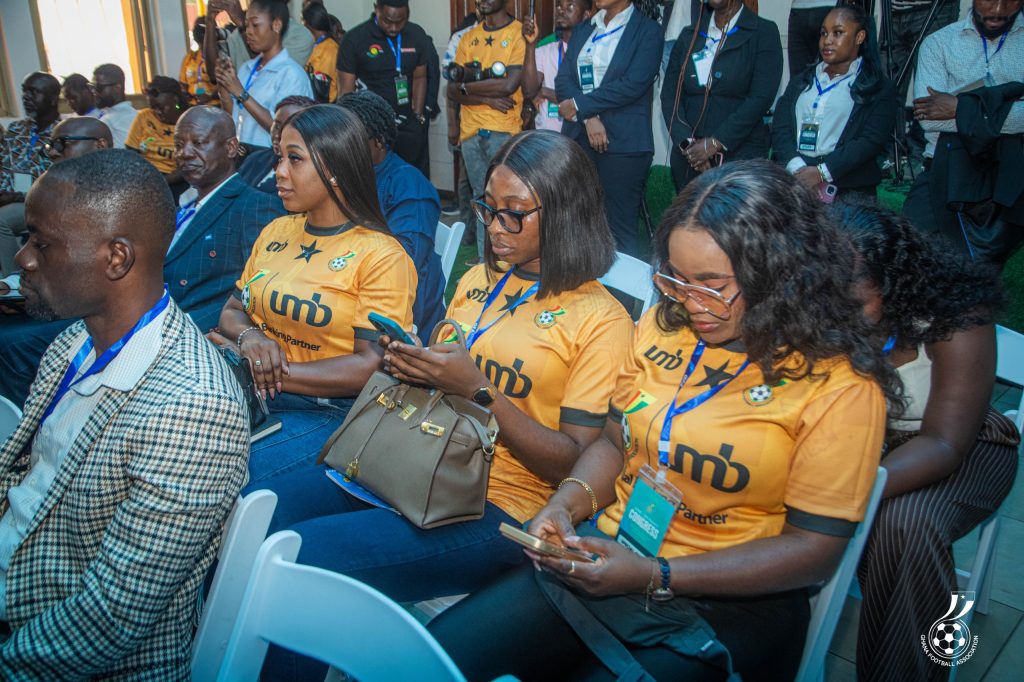
The policy is intended to ensure that promising young players do not remain confined to youth competitions but are given meaningful opportunities to play alongside experienced senior footballers.
For the GFA, that exposure is essential if Ghana is to produce players capable of succeeding at elite domestic and international level.
Simeon-Okraku also acknowledged the contribution of partners including KGL, KIVO, MTN, UMB and FIFA, with additional support coming through the FIFA Forward Programme.
The funding and partnerships are supporting competitions, logistics, infrastructure and opportunities for young players across Ghana’s football pyramid.
‘Power to the Youth’ builds on years of initiatives
The latest announcement builds on a youth development agenda that Simeon-Okraku has promoted since taking over the GFA presidency.
Youth football was identified as a major priority at the 2024 GFA Congress in Prampram, after which the association began implementing a range of initiatives under the “Power to the Youth” banner.
These include the FIFA Talent Development Scheme, Elite Academies system and “Catch Them Young” refereeing project, which gives young officials opportunities to develop while working within youth competitions.
ALSO READ: Ghana Completes Evacuation Of Nearly 1,900 Citizens From South Africa
The maiden MTN Elite U19 Championship, won by the Eastern Region in late 2025, provided an early test of the approach.
Regional football administrators said the tournament gave young players exposure to national-level competition while increasing their visibility among scouts and football authorities.
The GFA has also established a committee to oversee the implementation of a second-tier Under-19 championship. Regional tours, including engagements in the Upper West Region, are intended to extend youth development initiatives beyond Ghana’s traditional football centres.
Simeon-Okraku’s expanding role in football administration
The youth development push comes as Simeon-Okraku’s influence in African and international football administration continues to grow.
He was elected GFA president in October 2019 after the association was dissolved by the Ghanaian government following an investigative exposé into alleged corruption involving the administration of his predecessor, Kwesi Nyantakyi.
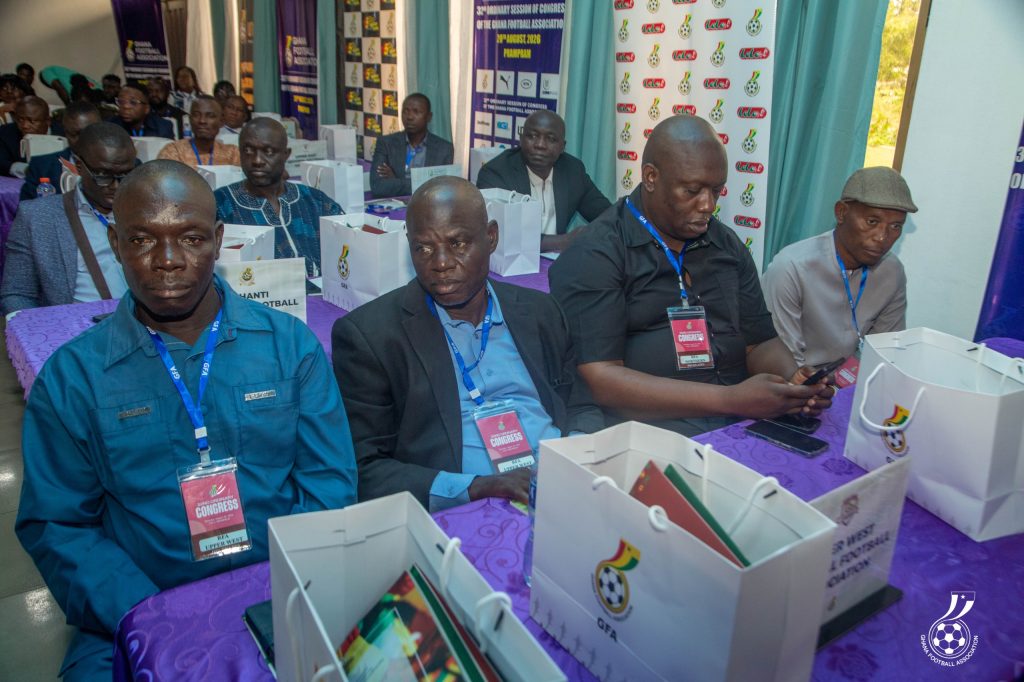
Simeon-Okraku was re-elected unopposed in 2023 with more than 97% of delegate votes.
He has since been elected to the Confederation of African Football (CAF) Executive Committee, where his current term runs until 2029. He was also appointed chairperson of FIFA’s Anti-Racism and Anti-Discrimination Committee.
Welfare and domestic stability also on Congress agenda
Youth development was not the only issue on the agenda at the GFA Congress.
The association announced plans to establish a US$200,000 welfare fund for former national team players, while clubs are also expected to receive additional buses through the GFA’s merit awards programme.
Simeon-Okraku also highlighted what he described as seven seasons of improved stability in Ghanaian domestic football, presenting youth development as part of a broader effort to strengthen the country’s football structures.
The ultimate test of the “Power to the Youth” policy, however, will be whether these investments translate into a reliable pipeline of players who can move successfully from grassroots football into the professional and international game.
The new Under-19 competition, combined with greater integration of young players into senior leagues, could be critical in determining whether Ghana’s renewed youth development strategy delivers the next generation of Black Stars and Black Queens.