Uganda is preparing to waive more than Shs35 billion in tax arrears owed by tea factories as the government moves to revive an industry hit by falling prices, oversupply, rising input costs and factory closures.
Uganda to Write Off Shs35 Billion in Tea Factory Tax Arrears as Government Moves to Rescue Sector

KAMPALA, Uganda – Uganda’s government is preparing to write off more than Shs35 billion in tax arrears owed by tea factories, offering relief to an industry struggling with falling prices, rising production costs and mounting financial pressures.
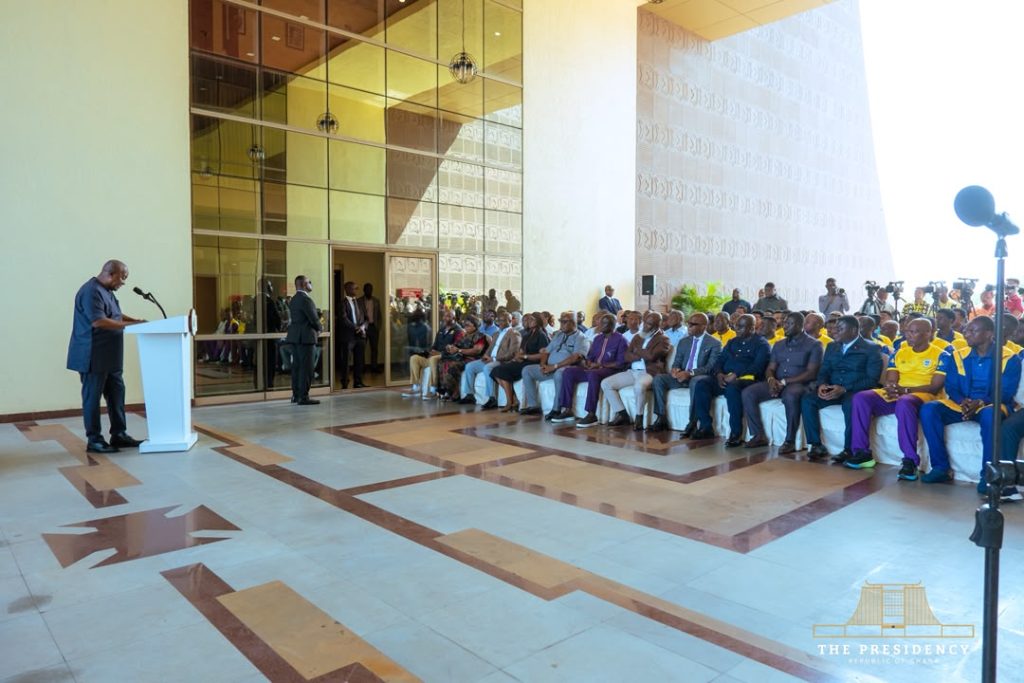
Deputy Speaker of Parliament Thomas Tayebwa announced the planned tax waiver on Tuesday, saying the arrears would be written off when Parliament returns from recess.
Tayebwa credited MPs from Greater Bushenyi and other tea-growing areas with pressing the government to intervene as the crisis deepened.
“The minister directed that, when we resume Parliament, we will write off tax arrears worth more than Shs35 billion. I want to thank MPs from Greater Bushenyi who have worked hard on this issue,” Tayebwa said.
He made the announcement while representing President Yoweri Museveni at the burial of the late Edna Kentaro Baryaruha in Bushenyi District.
Tax burden compounds factory crisis
The proposed write-off is intended to give financially distressed tea factories room to recover after accumulating tax liabilities and suffering operational setbacks.
Tayebwa said unpaid taxes had become one of the major obstacles preventing some factories from reopening or returning to full operations.
Government, he said, would also address other challenges affecting the management and operation of tea factories as part of a broader effort to stabilise the sector.
The intervention comes after a difficult period for Uganda’s tea industry, with factories and farmers caught between weaker international demand, excess supply and escalating production costs.
ALSO READ: Bank Of Uganda Tightens Security Controls After Reported Breaches
Falling prices at the auction have put pressure on factories’ revenues, while Uganda’s reliance on the Mombasa tea auction has left the sector particularly vulnerable to disruptions in key export markets.
The situation has been compounded by political and economic instability in some importing countries, including Sudan, further weakening demand for Ugandan tea.
At farm level, rising fertiliser and other input costs have made it increasingly difficult for growers to maintain their plantations.
Lower investment in tea gardens can ultimately affect both the quantity and quality of green leaf delivered to factories, creating pressure throughout the supply chain.
As factories struggle to generate sufficient revenue, their ability to pay farmers and meet operating costs is also constrained. The resulting financial pressure risks discouraging further investment in plantations and processing capacity.
Shs212 billion investment plan
The tax relief is expected to form part of a wider government intervention in the tea industry.
Tayebwa said the government was planning to invest Shs212 billion in the sector, although access to the funding would be tied to the performance and management of individual factories.
Factories seeking the support will have to demonstrate that they are being run efficiently and effectively, he said.
The government is also conducting a broader review of the tea industry to identify measures that can place the sector on a more sustainable footing.
The proposed investment comes as stakeholders seek to address problems that extend beyond immediate factory debt, including production costs, market access, value addition and the sector’s vulnerability to fluctuations in international tea prices.
For farmers and factory workers, the effectiveness of the intervention is likely to depend on whether the measures translate into stronger factory operations and a more reliable market for green leaf.
Ankole to get new industrial parks
Tayebwa also announced plans for new industrial parks in the Ankole sub-region, linking the projects to the government’s broader push for industrialisation and job creation.
He said President Museveni had allocated five square miles of land in Ruhengyere for an industrial park focused on food processing.
A second five-square-mile site has been allocated in Nakivale, Isingiro District.
“The President has given us two industrial parks. He wrote to me. He has given me five square miles of land for an industrial park in Ruhengyere, which will deal with the processing of foodstuffs. He has also given me five square miles in Nakivale, Isingiro. All these are in writing,” Tayebwa said.
Tayebwa said the projects would create thousands of jobs and stimulate economic activity in the region.
He also disclosed plans for another industrial hub in Kyeizoba, Bushenyi District, where the local community has reportedly set aside 70 acres of land for the project.
The industrial parks are being positioned as part of efforts to deliver on Museveni’s earlier pledge to expand industrial facilities in Ankole.
For Uganda’s tea sector, however, the immediate test will be whether the proposed tax relief and Shs212 billion investment can help financially troubled factories reopen, improve their operations and restore confidence among farmers.
The planned write-off therefore represents more than a tax concession. It is an attempt to ease one of the immediate financial pressures on an industry whose problems now extend from the tea garden to the international market.
Subscribe to Our Newsletter
Keep in touch with our news & offers
Thank you for subscribing to the newsletter.
Oops. Something went wrong. Please try again later.