Hyperscalers Convergence Africa 2026 has produced a seven-point agenda for accelerating Africa’s digital infrastructure, calling for stronger cross-border regulation, more investment, reliable power, expanded fibre networks and greater access to cloud and AI capacity.
LAGOS, Nigeria – Africa’s digital infrastructure drive needs to move beyond building isolated data centres and connectivity projects towards creating an integrated system capable of supporting businesses, consumers and the continent’s digital economy.
That was the central message from the third edition of Hyperscalers Convergence Africa (HCA), which concluded in Lagos with a seven-point Africa Digital Infrastructure Delivery Agenda 2026 focused on regulation, investment, power, connectivity, data centres, cloud, artificial intelligence, cybersecurity and regional integration.
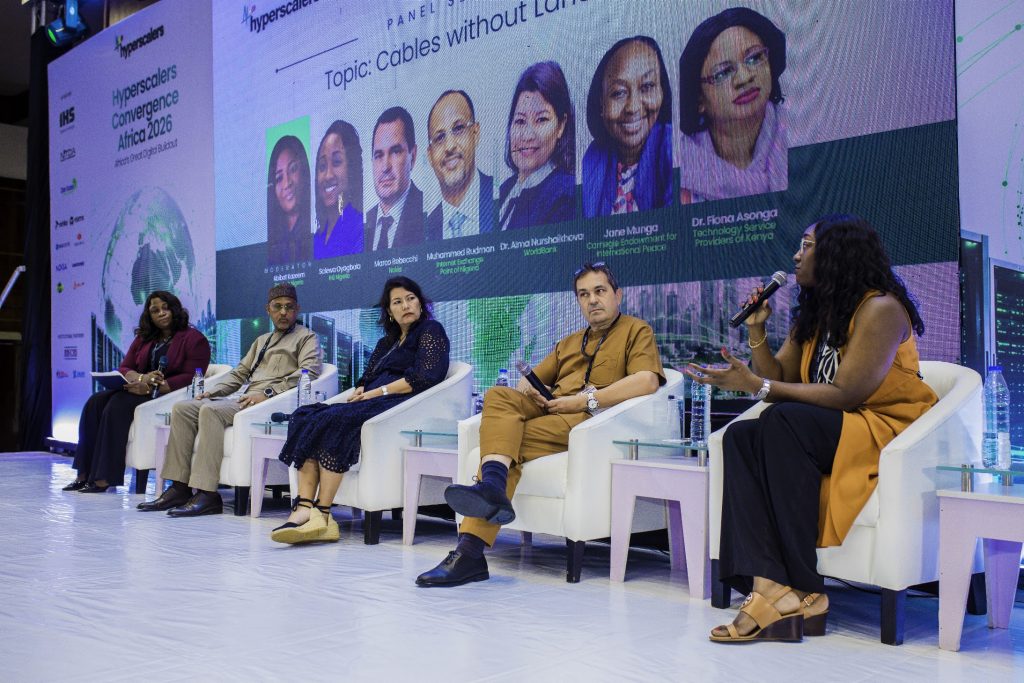
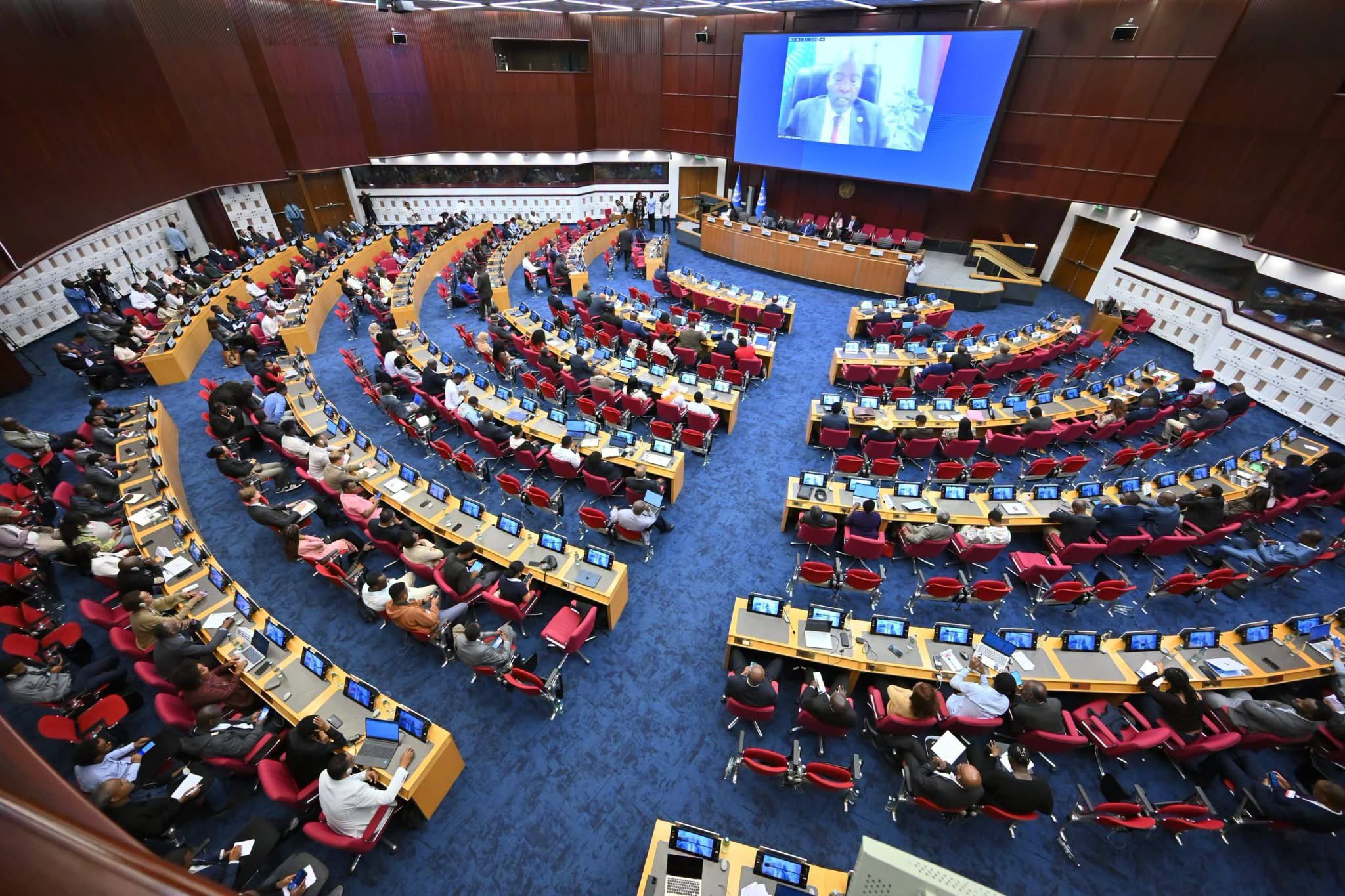
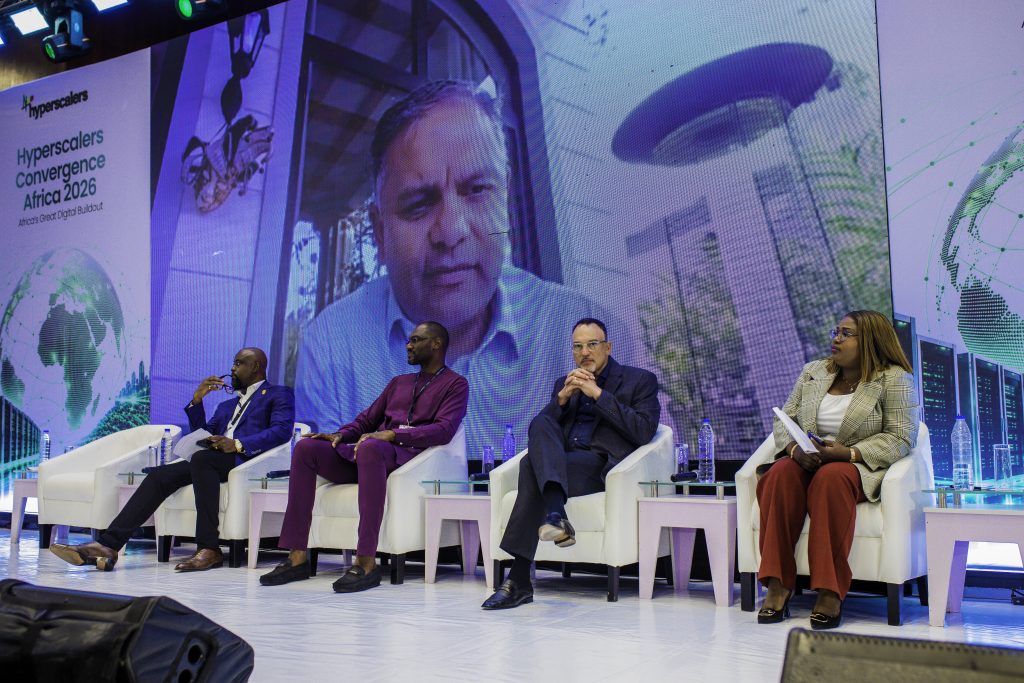
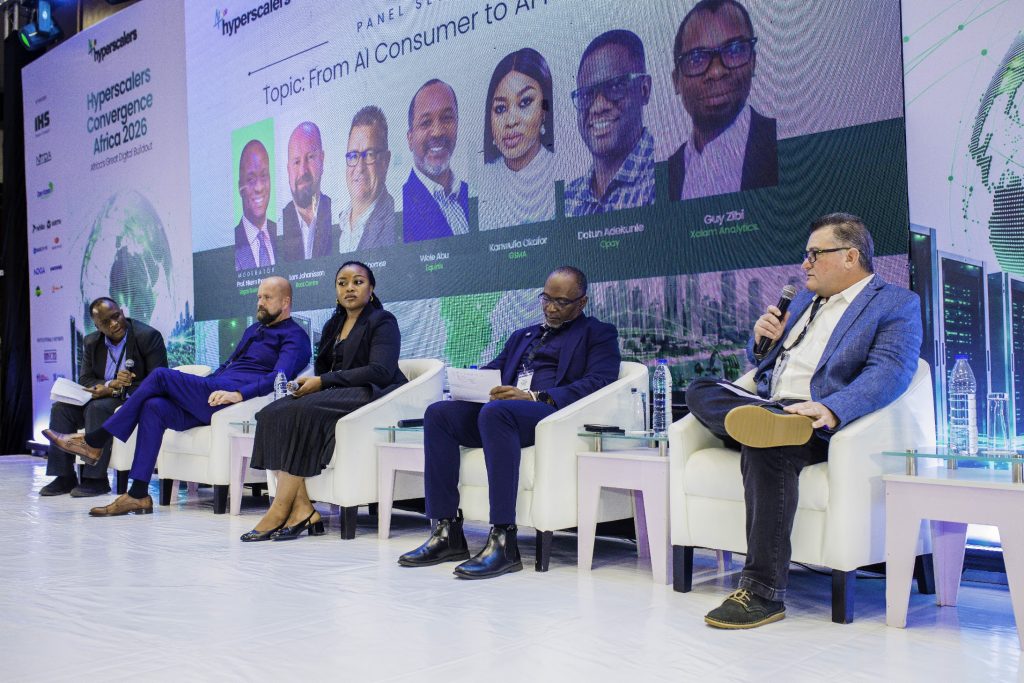
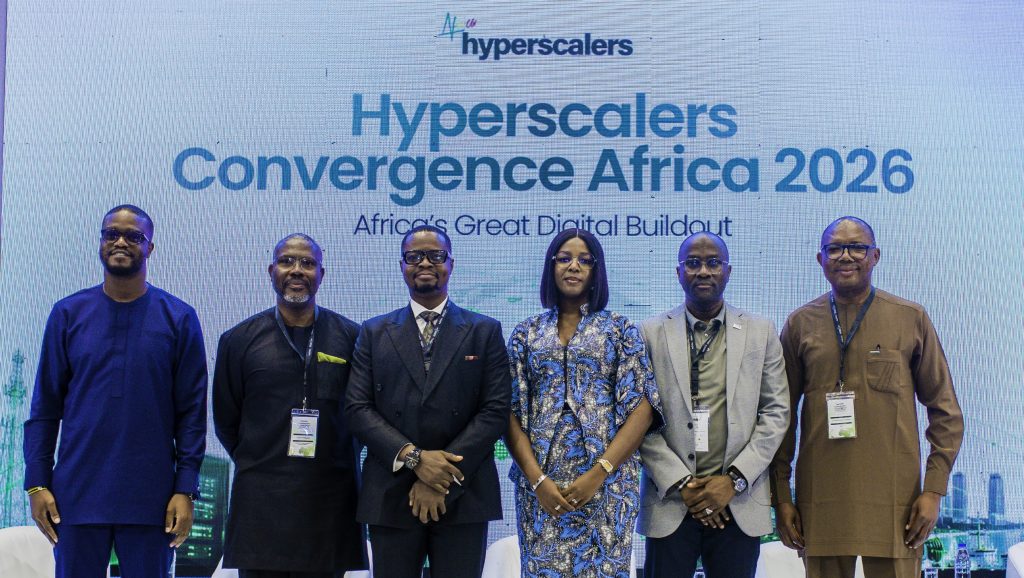
Held under the theme “Africa’s Great Digital Buildout”, the conference brought together policymakers, regulators, investors and technology executives to examine how the continent can turn growing digital infrastructure capacity into wider economic value.
Among the participants were Dr Talkmore Chidede of the African Continental Free Trade Area Secretariat, representing Secretary-General Wamkele Mene; Sulaiman Cisse of Africa Finance Corporation; Opuiyo Oforiokuma of the Africa50 Infrastructure Acceleration Fund; Amine Idriss Adoum of AUDA-NEPAD; Wole Abu of Equinix; Kanwulia Okafor of GSMA; and senior representatives from the World Bank, Microsoft, MTN’s Bayobab and Open Access Data Centres.
Seven priorities for Africa’s digital infrastructure
Across five panel sessions and two keynotes, speakers repeatedly returned to the same challenge: building more infrastructure will not, on its own, close Africa’s digital divide.
Data centres, subsea cables, cloud platforms and fibre networks need to be supported by reliable electricity, affordable broadband, coordinated regulation and sufficient demand from businesses and consumers.
The resulting delivery agenda identifies seven broad areas for action.
These include encouraging internet service providers to peer across borders to reduce the cost of routing African internet traffic, while aligning regulatory processes, fiscal models and technical standards across countries without requiring identical national legislation.
The agenda also calls for greater funding for early-stage project preparation, helping viable infrastructure projects reach investment readiness.
Another priority is mobilising more African institutional capital by creating stronger links between the digital infrastructure sector and pension funds, insurers, sovereign wealth funds and development finance institutions.
Participants also called for greater investment in terrestrial and metropolitan fibre networks to extend the benefits of subsea cables beyond coastal landing points.
ALSO READ: Eswatini, UAE Launch Africa’s First She Powers Africa Digital Academy
The agenda further highlights the need to build local cloud and AI computing capacity alongside the electricity, skills and data governance required to support those technologies.
The final emphasis is on ensuring that digital infrastructure reaches micro, small and medium-sized enterprises through affordable broadband and dependable power.
From projects to connected systems
Several projects were cited during the conference as examples of the infrastructure expansion already taking place.
These included Nigeria’s proposed 90,000-kilometre fibre backbone under the BRIDGE initiative, efforts to introduce new cross-border peering incentives and the development of an Oracle cloud region in Nigeria.
But speakers stressed that individual projects will have limited impact if they remain disconnected from the wider digital ecosystem.
In his opening keynote, Temitope Osunrinde, Executive Director of Africa Hyperscalers, said the decisions being made now would determine the continent’s digital trajectory.
“Africa’s digital future depends on the infrastructure choices we make today,” Osunrinde said.
“Delivering reliable power, resilient connectivity, secure data centres and affordable computing will require governments, investors and industry to work together. Bilateral agreements are valuable, but multilateral alignment on policy, regulation and investment is essential to build interconnected infrastructure at the scale Africa requires.”
While the conference focused heavily on the infrastructure still required, it also recognised some of the people credited with building the foundations of Africa’s digital economy.
The inaugural HCA Digital Infrastructure Pioneers Awards honoured 12 individuals whose careers have spanned telecommunications reform, private-sector investment, fibre deployment, internet exchange development and subsea cable infrastructure.
The honourees included Andile Ngcaba, Funke Opeke, Strive Masiyiwa, Alan Knott-Craig Sr, Chris Wood, Sam Darwish, Ernest Ndukwe, Michuki Mwangi, former Nigerian President Olusegun Obasanjo, Brian Herlihy, Mohamed Nasr and the late Khaled Bichara.
Women’s contribution put in the spotlight
HCA 2026 also sought to address the visibility of women working across Africa’s digital infrastructure and technology industries.
The conference released an inclusion report recognising 100 women contributing to telecommunications, cloud computing, data centres, policy, finance and technology.
West Africa accounted for 44% of the list.
ALSO READ: Vodafone, Cassava Launch Egypt’s First National AI Factory In Major Infrastructure Push
Among those recognised were Patricia Obo-Nai of Telecel Ghana, Dr Judith Yah Sunday of CAMTEL, Funke Opeke of MainOne, Ayaan Adam of Africa Finance Corporation, Togo’s Minister Cina Lawson and Rimini Haraya Makama of the Nigerian Communications Commission.
East African honourees included Rwanda’s Minister of ICT and Innovation Paula Ingabire, Catherine Muraga of Microsoft Africa Development Centre and Fawzia Ali-Kimanthi of Safaricom.
Southern Africa was represented by Yolanda Cuba of MTN South Africa, Beauty Apleni of Openserve and Nonkqubela Jordan-Dyani of South Africa’s Department of Communications and Digital Technologies.
North African representatives included Lobna Helal of Telecom Egypt and Doha Ammour of N+ONE Datacenters.
The discussions continued beyond Lagos at International Telecoms Week Africa in Nairobi, where Osunrinde chaired two further sessions.
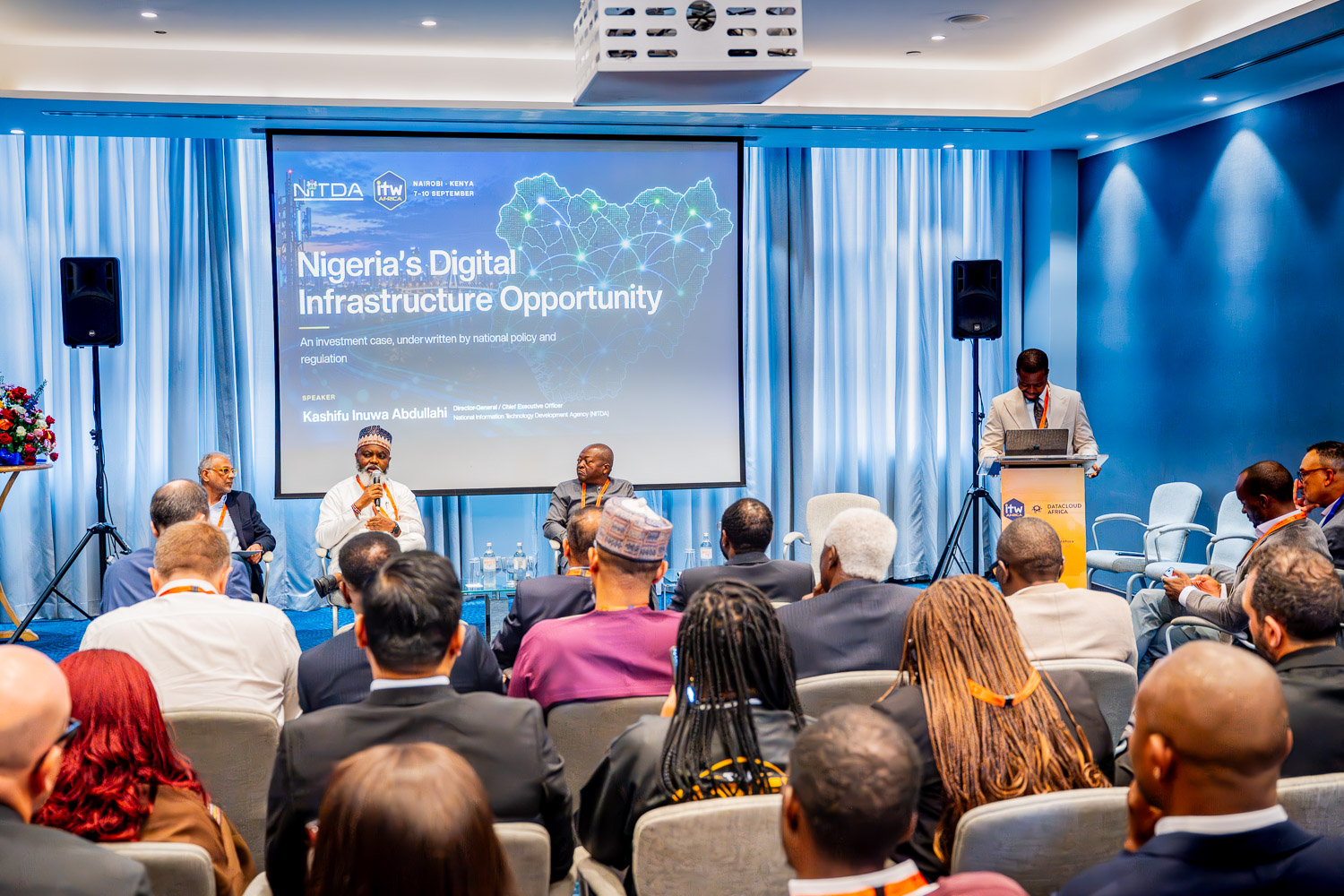
The first examined the relationship between regulatory policy and infrastructure investment, bringing together Nigeria Data Protection Commission chief executive Dr Vincent Olatunji, National Information Technology Development Agency head Kashifu Inuwa Abdullahi and Meta’s East and Horn of Africa public policy director Mercy Ndegwa, among others.
A second session focused on Nigeria’s digital infrastructure opportunity, including Project BRIDGE and regulatory guidelines intended to stimulate local demand for data centre and cloud capacity.
The extension of the discussions to Nairobi reflects the increasingly regional nature of Africa’s digital infrastructure challenge, with investment, regulation and connectivity extending beyond individual national markets.
The next challenge is making infrastructure work together
For much of the past decade, Africa’s digital infrastructure story has been dominated by subsea cables, data centres and new fibre networks.
The HCA agenda points to a different challenge: making those investments work as part of a connected continental system.
That means linking international connectivity to inland fibre networks, ensuring data centres have reliable power, creating regulatory conditions that allow traffic to move efficiently across borders, and making cloud and computing capacity affordable enough for businesses to use.

The success of Africa’s digital buildout will therefore depend not only on how much infrastructure is constructed, but on whether it becomes accessible, interconnected and commercially useful.
Hyperscalers Convergence Africa 2026 was supported by IHS Towers, Open Access Data Centres, Nigeria’s National Information Technology Development Agency, Vertiv, Rack Centre, Equinix, Nokia and the Internet Exchange Point of Nigeria, among other partners.